

Audio By Carbonatix
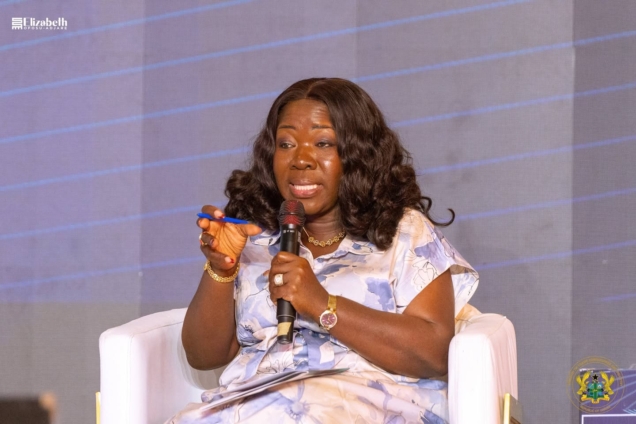
Ghana’s Minister for Trade, Agribusiness and Industry, Elizabeth Ofosu-Adjare, has emphasised that the government is pursuing comprehensive policies to support industry through access to raw materials, harmonised standards, affordable financing, and regional value chains, as Africa seeks to move from resource extraction to value addition and build industrial champions.
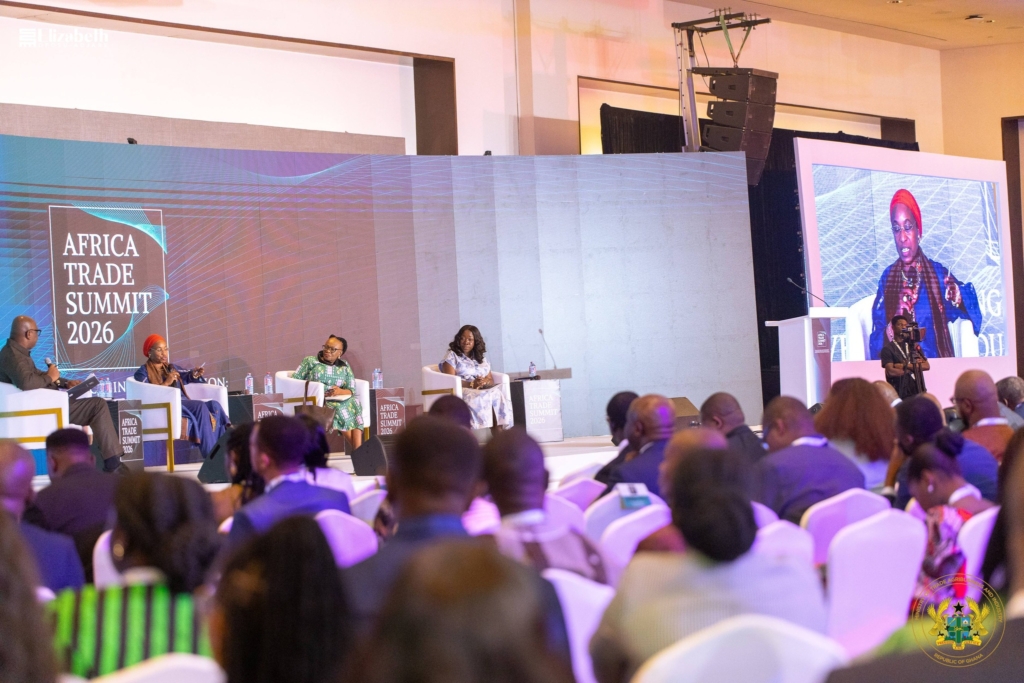
She made the remarks during a high-level ministerial dialogue on “Accelerating Africa’s Industrial Transformation: Converting Extraction into Value and Building Industrial Champions” on the first day of the Africa Trade Summit in Accra, moderated by the Chief Executive Officer of the Ghana Investment Promotion Centre (GIPC), Simon Madjie.
Ofosu-Adjare stressed that industrialisation will remain unattainable if African producers continue to face multiple and duplicative standards regimes across the continent.
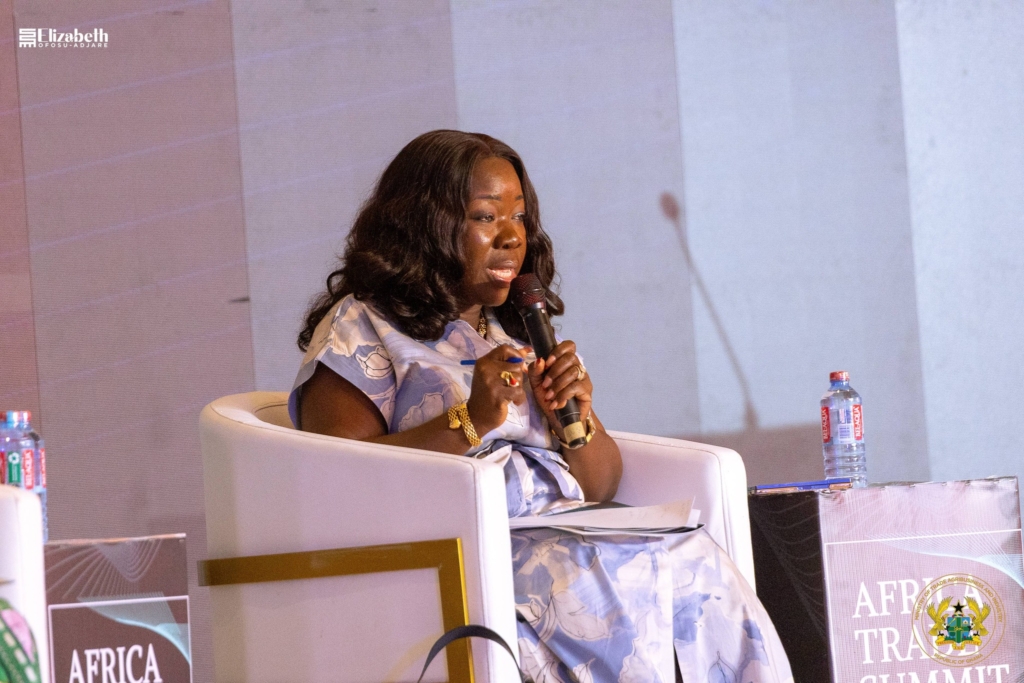
She noted that the lack of harmonised standards raises costs, delays trade, and weakens competitiveness under the African Continental Free Trade Area (AfCFTA).
The minister cited examples where Ghanaian products, already cleared by national regulatory authorities, undergo fresh testing in other African countries, describing the process as a waste of time and resources for businesses.
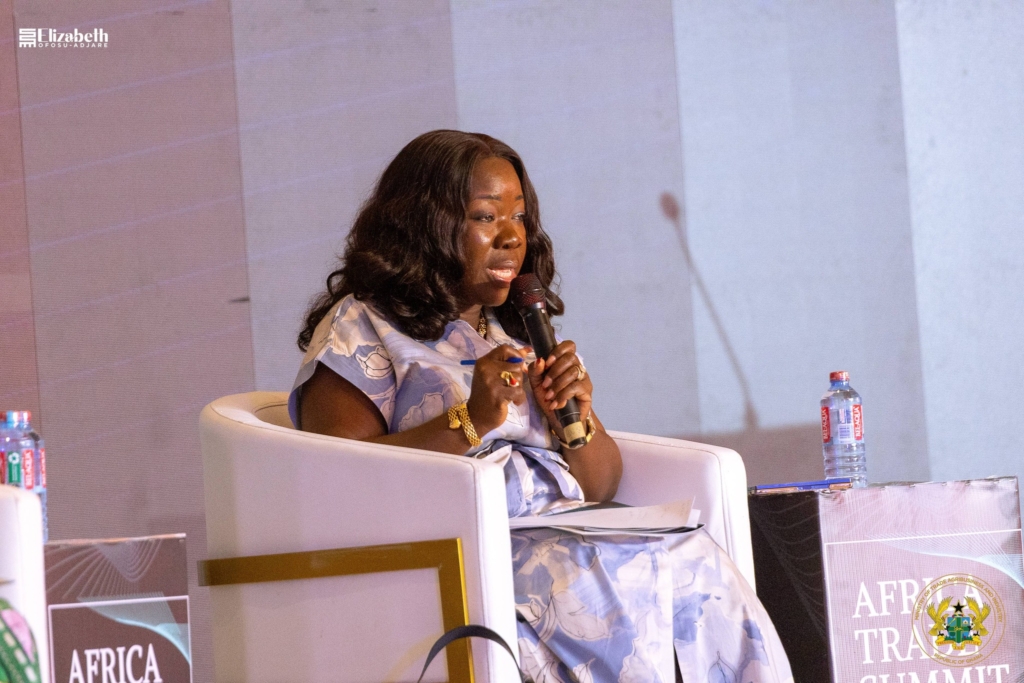
According to her, standardisation is one of the most practical tools for accelerating industrialisation and facilitating the free movement of goods across Africa.
Beyond standards, the trade minister highlighted raw material shortages, high financing costs, land availability, and limited access to incentives as major obstacles facing industries across the continent.
She noted that no factory can operate efficiently without a reliable supply of inputs, emphasising that industrialisation requires deliberate policies to ensure consistent raw material availability.
To address this, she said Ghana has launched the Feed the Industry Programme, which links agribusiness production directly to industrial demand.
Under the initiative, the government is mobilising land, youth, and irrigation infrastructure to supply factories with consistent raw materials, with targeted interventions to support export-oriented manufacturers.
She also revealed that Ghana has banned the export of certain non-ferrous raw materials to ensure value is added locally before export, a move aimed at securing inputs for domestic industries and strengthening local manufacturing.
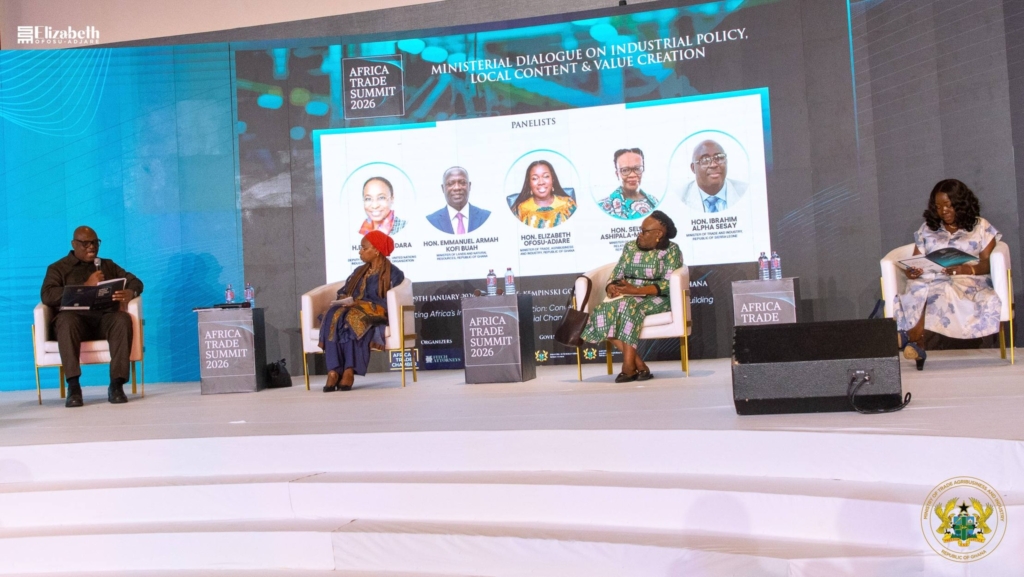
On financing, Ofosu-Adjare noted that Ghana’s improved macroeconomic stability has helped stabilise interest rates, while institutions such as EXIM Bank are supporting export-focused industries.
She called for innovative, blended financing options combining government support, private capital, development finance, and donor funding to ease the burden on manufacturers.
The minister also highlighted Ghana’s strategic focus on textiles and garments, pharmaceuticals, and automotive component manufacturing, stressing that governments must prioritise sectors with a competitive advantage and provide targeted incentives to help industries scale and operate efficiently.
Importantly, she advocated for regional value chains, urging African countries to stop competing in isolation and coordinate production across borders to maximise shared strengths under AfCFTA.
Earlier in the dialogue, Fatou Haidara, Deputy Director-General of the United Nations Industrial Development Organisation (UNIDO), emphasised the need for African countries to shift from fragmented national approaches to coordinated regional industrial strategies.
She noted that AfCFTA cannot deliver its promise without industrialisation and called for a move from sector-based thinking to regional value chain development, guided by market demand, infrastructure readiness, and proper sequencing.
Haidara also stressed the importance of industrial corridors, harmonised policies, and investment-ready projects to unlock long-term financing, noting that industrial policy, trade, infrastructure, energy, and finance must advance together.
For her part, Liberia’s Minister of Commerce and Industry, Magdalene E. Dagoseh, highlighted uneven political will, skills gaps, and slow implementation as major obstacles to Africa’s industrial integration.
She noted that while policy decisions have been taken at the continental level, including commitments to value addition, implementation has lagged, calling for greater pace, stronger coordination, and expanded access to financing.
The Ministerial Dialogue concluded with a shared call for African governments to prioritise collaboration over competition, harmonise standards, invest in infrastructure and skills, and deliberately link national industrial policies to regional and continental frameworks to unlock sustainable industrial growth.
Latest Stories
-
Ghana Faces Sierra Leone Moment as Prosecutorial Powers come under strain
10 minutes -
Don’t consume fish or seafood from Tema Shipyard until further notice – FDA warns
14 minutes -
Why volunteering might be Africa’s most underrated career accelerator
21 minutes -
ActionAid Ghana raises concern over gender gaps in Feed Ghana Programme
23 minutes -
Windstorm wreaks havoc in Gushegu, displacing nearly 2,000 residents and damaging schools
25 minutes -
Friends of Bridget Bonnie Marks her 35th birthday with donation to Kasseh Model Health Centre
1 hour -
From Ekumfi Kokodo to the Pulpit Stage: Essi Donkor’s gospel journey takes shape
1 hour -
Landfilling waste management creates no value, it’s an economic waste
2 hours -
Photos: Speaker Bagbin Commissions MPs constituency office under parliamentary decentralisation programme
2 hours -
Black Stars technical advisor Winfried Schäfer sacked as GFA shakes up backroom staff
2 hours -
Wenchi water project almost complete, critical to gov’t agenda – GWL MD
2 hours -
Anti-LGBTQ+ bill not part of government’s legislative agenda – Inusah Fuseini
2 hours -
Anti-LGBTQ Bill: Forget the rumour mongers, I’m a man of action, and will pass the bill – Speaker
3 hours -
Women and children among those killed in Sudanese army shelling of wedding celebration
3 hours -
President Mahama is not sincere with Ghanaians on LGBTQ bill matter – Hassan Tampuli
3 hours