

Audio By Carbonatix
The Deputy Minister for Trade, Agribusiness and Industry, Sampson Ahi, has reaffirmed the government’s commitment to addressing trade facilitation challenges affecting Ghana’s textile and garment industry, describing the sector as a strategic pillar of the country’s industrialisation and export diversification agenda.
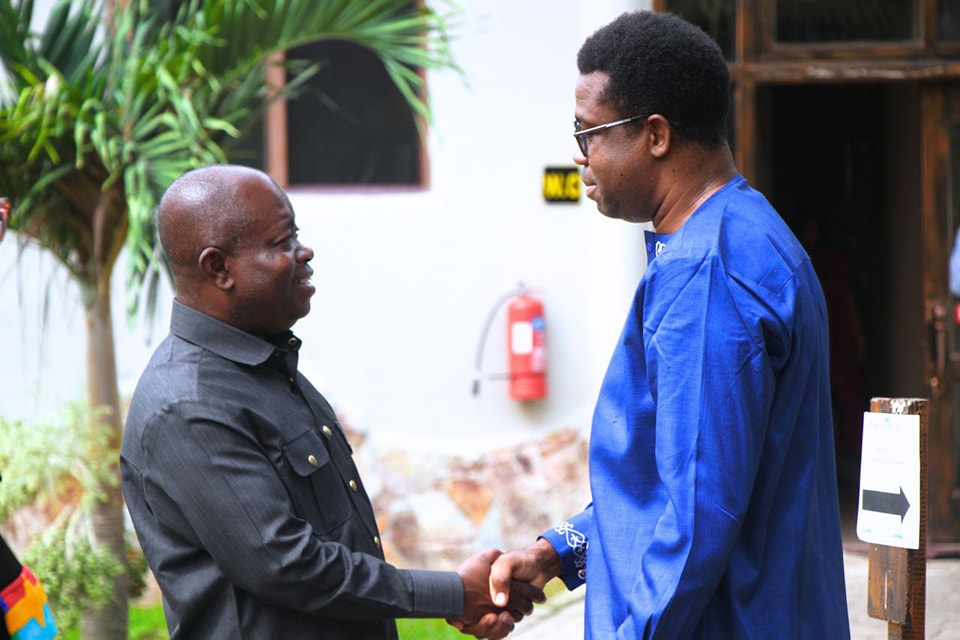
Speaking at the Public-Private Dialogue on Textile and Garment Trade Facilitation Challenges in Sogakope on Wednesday, February 19, Mr Ahi emphasised that the industry holds immense potential for job creation, particularly for women and youth, while strengthening Ghana’s position in regional and global value chains.
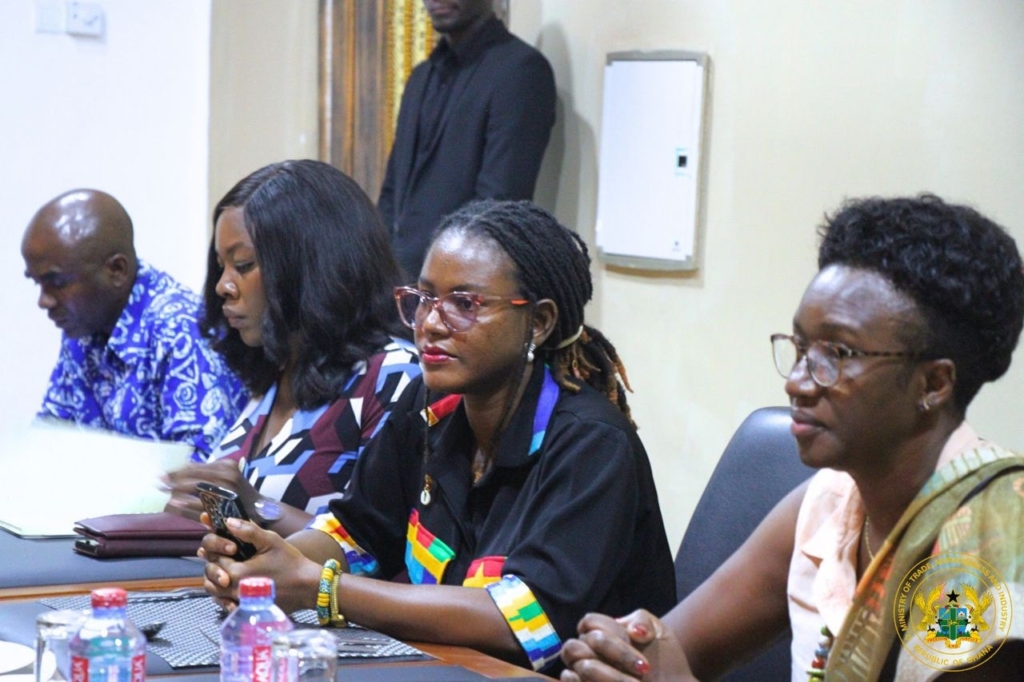
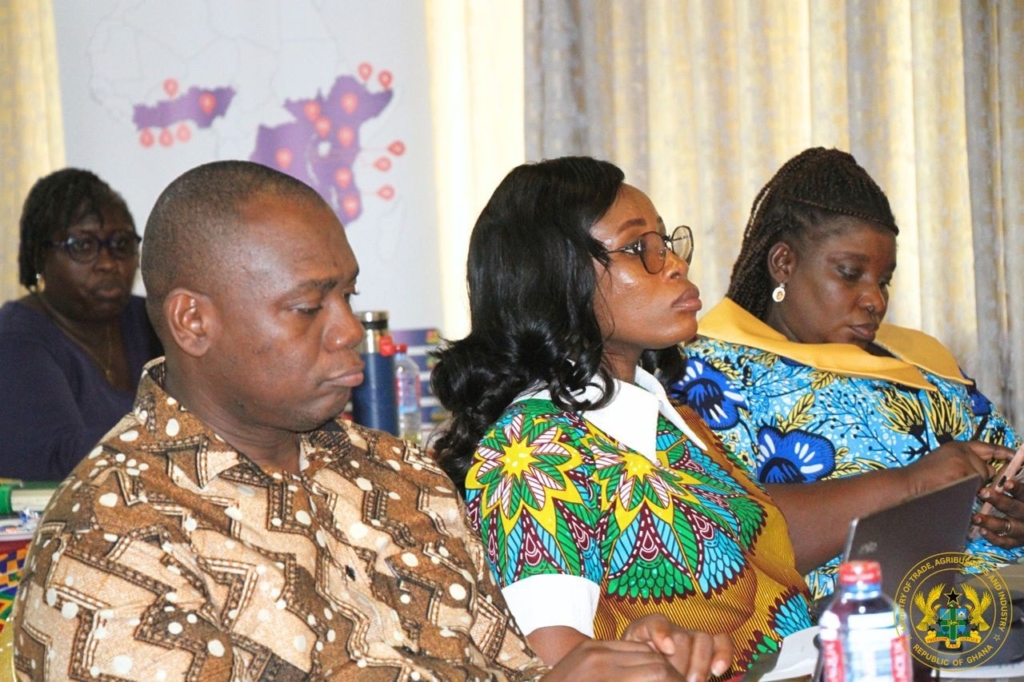
The two-day engagement, organised by the Ministry of Trade, Agribusiness and Industry in collaboration with TradeMark Africa (TMA), brought together government agencies, development partners, garment manufacturers, and key stakeholders to identify practical solutions to persistent operational challenges in the sector.
The Bodi lawmaker acknowledged that industry players continue to face constraints across the trade value chain, including customs and clearance procedures, compliance requirements, logistics bottlenecks, and underutilisation of trade facilitation schemes.
“This dialogue has been convened not merely as a forum, but as a partnership,” Ahi said, adding that the Ministry is committed to listening, learning, and collaborating with private sector actors and trade facilitation institutions to implement workable reforms.
He highlighted the importance of the Authorised Economic Operator (AEO) Scheme for faster clearance, reduced inspections, and improved predictability for compliant businesses, and stressed aligning digital trade systems such as ICUMS with operational realities to enhance efficiency.
In her remarks, the Director for West Africa and AfCFTA at TradeMark Africa, Harriet Gayi, underscored the urgency of evidence-based trade facilitation reforms to reposition Ghana as a competitive garment manufacturing hub.
She noted persistent bottlenecks such as customs system downtimes, port hour misalignments, and documentation delays, which increase costs and reduce production days.
Madam Gayi praised the Ministry’s structured approach and stressed that private sector players are ready to scale to a 24-hour, three-shift production model once a predictable and enabling environment is secured.
Both speakers agreed that streamlining trade systems would boost production, create jobs, and expand economic inclusion, particularly for women and youth.
Latest Stories
-
Mfantsipim–Adisadel rivalry built excellence, not division – Sam Jonah
6 minutes -
Vice President launches Mfantsipim’s 150 years of shaping Ghana’s greatest mind
23 minutes -
I assure Otumfuo, Mahama will join him to commission KNUST Teaching Hospital by end of this year – Haruna Iddrisu
1 hour -
Gov’t to roll out free special education for persons with disabilities from July 1 – Education Minister
1 hour -
“We used it to test our officiating officials’ readiness” – Bawah Fuseini after CAA Athletics event
2 hours -
Volleyball emerges as Ghana’s fastest rising sport
2 hours -
National Sports Fund needs strong leadership from the top – Administrator David Wuaku
2 hours -
JoySports Exclusive: Steve McLaren in talks with GFA after expressing interest in Black Stars job
2 hours -
Fire guts auto parts warehouse at Bubuashie, one fire officer injured
3 hours -
I owe my victory to coach Ofori Asare – Allotey after winning WBA Africa Gold Super Flyweight belt
3 hours