

Audio By Carbonatix
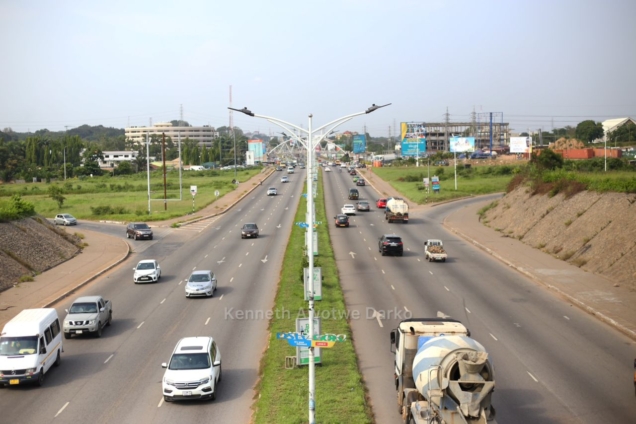
The evolution of mobility in Ghana since independence reflects not just a shift in transportation methods but also mirrors the nation's journey towards modernity and progress.
From the tumultuous years following independence to the present day, Ghana's transportation landscape has undergone a remarkable transformation, with ride-hailing services emerging as a beacon of change.
The advent of ride-hailing services like Bolt has not only revolutionised how Ghanaians move from one place to another but has also catalysed economic opportunities and social advancements. In a country where traditional taxi services often struggled to meet the demands of a growing population, the introduction of ride-hailing platforms has alleviated many of the challenges associated with transportation, particularly in urban centres like Accra and Kumasi.
The impact of this transformation cannot be overstated. Beyond the convenience of summoning a ride with a tap on a smartphone, ride-hailing has empowered individuals, offering a means of livelihood to many Ghanaians who may have previously struggled to find stable employment. With platforms like Bolt providing opportunities for individuals to become drivers, entrepreneurship has flourished, contributing to the country's economic growth and development.
Furthermore, the integration of technology into the transportation sector has brought about improvements in transparency, accountability, and safety. Real-time tracking features ensure that users can monitor their rides, enhancing safety and security. Moreover, the shift towards digital payment methods has not only made transactions more convenient but has also fostered financial inclusion, particularly among segments of society that were previously underserved by traditional banking systems.
However, challenges persist in ensuring that the benefits of ride-hailing services are accessible to all Ghanaians. Disparities in internet connectivity, smartphone ownership, and digital literacy remain obstacles that need to be addressed to ensure equitable access to these services. As Ghana celebrates its independence, it is imperative that policymakers and stakeholders work together to bridge these gaps and create an environment where innovation and progress can thrive.
In essence, the evolution of mobility in Ghana symbolises the country's resilience, adaptability, and determination to embrace change. By embracing technology and entrepreneurship, Ghana is not only redefining its transportation landscape but is also laying the groundwork for a more connected, inclusive, and prosperous future.
As the nation looks ahead, it is clear that the journey towards progress is marked by innovation, collaboration, and a commitment to building a better tomorrow for all Ghanaians.
Latest Stories
-
Dr. Amoakohene debunks claims Sewua and other Agenda 111 hospitals are ready for operationalisation
5 minutes -
AMA rolls out new shift system for street sweepers to improve sanitation
8 minutes -
Focus on capacity, not connections in Damang lease decision – Paa Kwesi Schandorf
19 minutes -
Teen defender Eric Mensah undergoes trial at Malaga CF after standout ROC Cup display
20 minutes -
Journalism out loud: Why silence is no longer an option
21 minutes -
5,000 miners stranded in Ahafo-Ano North as alleged NAIMOS operatives take over site
28 minutes -
GMTFcare rollout begins at Komfo Anokye Teaching Hospital to transform patient support
35 minutes -
Leicester lose appeal against points deduction
43 minutes -
Telecel hosts Women 100 Power Connect 2026 on reciprocity in leadership
52 minutes -
Ken Ofori-Atta released from ICE detention after judicial order — Lawyer confirms
54 minutes -
Women in PR Ghana unveils Top 10 PR Women for 2025
59 minutes -
Tourism Minister advocates expansion of Vodza Regatta in Volta region to boost coastal tourism
1 hour -
Gradual recovery signals shift in fortunes of Tema Oil Refinery
1 hour -
Greece to ban social media for under-15s from next year
1 hour -
Volta Chiefs condemn EOCO over alleged disregard for Court ruling in Kwamigah-Atokple case
1 hour