

Audio By Carbonatix
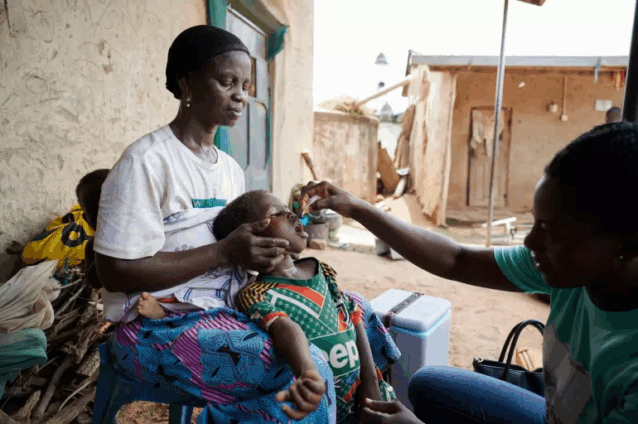
UNICEF Ghana commends the Government of Ghana for fully meeting its 2025 co-financing obligation of USD 24.5 million for vaccines.
This timely payment helps sustain progress in protecting children’s health and significantly reduces the risk of vaccine shortages. It is a strong demonstration of the Government’s continued commitment to strengthening the national immunization programme.
Ghana consistently and timely met its vaccine financing obligations until 2022, when post-COVID-19 economic challenges, rising co-financing requirements, and limited fiscal space linked to the country’s transition from Gavi support led to delays. This full payment marks a significant milestone in Ghana’s return to pre-pandemic financing performance.
Completing the 2025 co-financing obligation is critical to ensuring uninterrupted vaccine supply, maintaining herd immunity, and supporting the introduction of new vaccines. It also strengthens the broader health system and safeguards the health and survival of Ghanaian children.
“I am proud to stand with the Government of Ghana in celebrating this important milestone,” said Osama Makkawi Khogali, UNICEF Representative in Ghana. “Although post-COVID economic pressures led to delays in payments and interrupted regular vaccine availability and ultimately vaccination coverage, this full payment reflects a commendable prioritization of child health. By investing in immunization, the Government is ensuring that every Ghanaian child regardless of location is protected from vaccine-preventable diseases.”
UNICEF welcomes Ghana’s renewed commitment to immunization and encourages continued efforts to strengthen domestic vaccine financing, especially as development aid declines. This aligns with Ghana’s Transition Roadmap: Towards Self-financing of Immunisation Services.
Investing in vaccines offers one of the highest returns in public health preventing disease is far more cost-effective than treating it. Sustained investment today lays the foundation for a healthier, and more resilient future generation.
Latest Stories
-
Calls to suspend Publican AI system premature – Awingobit
10 minutes -
Viktoria Plzen coach hails transformed Prince Adu after standout display against Slavia Prague
14 minutes -
“There was no security on our team bus” – Berekum Chelsea PRO recounts fatal robbery attack
1 hour -
Bodø/Glimt’s Hauge excited about representing Norway at FIFA World Cup
1 hour -
Daily Insight for CEOs: Driving performance through clear accountability
2 hours -
Israel steps up strikes on Lebanon and Hezbollah attacks continue as talks loom
2 hours -
Boost for 24 hour economy: PURC to introduce night power tariffs for businesses
2 hours -
GRIDCo commissions 145MVA transformer at Afienya substation
2 hours -
US judge dismisses $10bn Trump defamation suit against Wall Street Journal
2 hours -
Photos: UEW Public Lecture Series 2026
2 hours -
CSIR Scientist urges community-driven approach to fight illegal mining
2 hours -
GUTA suspends strike as gov’t opens door for further consultations on Publican AI System
2 hours -
Asokore Mampong bans minors, foreigners from operating ‘Adedeta’ tricycles
2 hours -
AUCB equips students to boost self-employment and cut graduate unemployment
2 hours -
Experts call for waste-to-energy shift to cut landfill costs
2 hours