

Audio By Carbonatix
Globally, one in four children under five (181 million) live in severe food poverty, missing the nutrients vital for survival, growth, and development.
Sub-Saharan Africa bears the heaviest burden, with 57 million children affected.
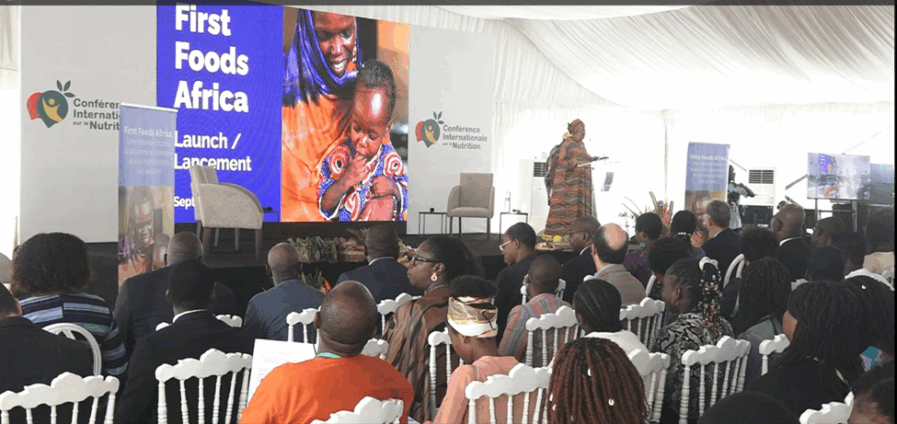
Addressing this crisis, UNICEF has launched the First Food Africa initiative to improve children’s first foods, food environments, and feeding practices by supporting local production and access to nutritious, safe, affordable, and sustainable foods, especially for the most vulnerable.

The initiative, funded by the Child Nutrition Fund in collaboration with the Food and Agriculture Organisation, World Bank, World Food Programme (WFP) and the World Health Organisation (WHO) and other partners, seeks to attract investments in medium-to-large African companies that meet UNICEF’s standards for food industry engagement.
Speaking at the launch held in Cotonou, Benin, the Director of Child Nutrition and Development, Joan Matji, affirmed local production as central to the initiative by empowering farmers and entrepreneurs to deliver safe, sustainable first foods and build stronger food systems for Africa’s children.
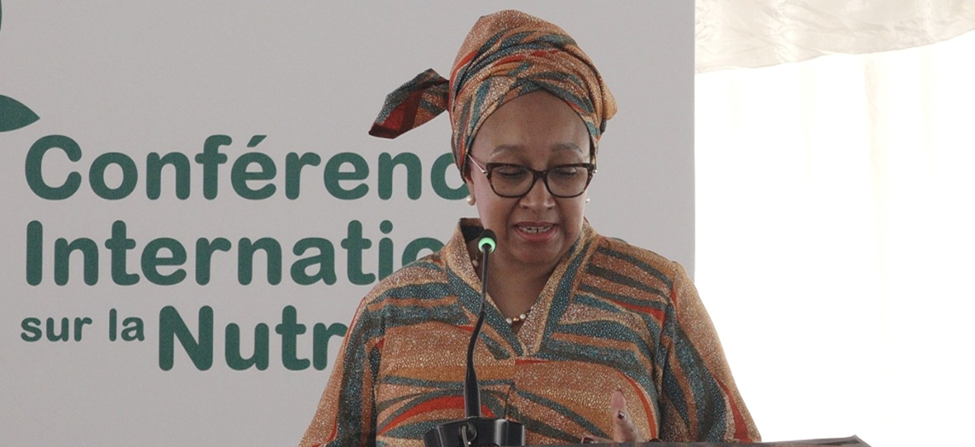
“The initiative champions local solutions to child food poverty, with a vision of African food systems that deliver nutritious, safe, affordable, and sustainable first foods for children”, she stated.
Deputy Global Executive Director for Programmes at UNICEF, Omar Abdi, urged frontrunner countries, including Ghana, to tackle child food poverty not through traditional aid, but by leveraging market-based approaches that attract investment, empower local producers, and strengthen child-centred food systems.

“The goal is to unlock Africa’s potential by creating sustainable, locally-led food systems. With support from the Child Nutrition Fund and partners, resources are already being mobilised to launch First Foods Africa in the first wave of countries”, he explained
The First Foods Africa initiative by UNICEF marks a bold step toward ending child food poverty by employing Africa’s own potential to build resilient, locally-driven food systems that secure a healthier future for its children.
Latest Stories
-
IMANI Africa President urges greater awareness and support for Parkinson’s Disease patients
4 minutes -
T-bills: Government records undersubscription of 29%; interest rates continue to surge
6 minutes -
Perceptions of Judicial partisanship ‘unfortunate’ – Justice Adjei-Frimpong urges greater public engagement to build trust
9 minutes -
Ghana to honour Christina Hammock Koch for historic Artemis II mission
1 hour -
Supreme Court appointments require more than 15 years’ experience – Justice Adjei-Frimpong
1 hour -
Fire destroys 3-bedroom house at Bogyawe
2 hours -
Why the Supreme Court is a “policy court” – Justice Richard Adjei-Frimpong breaks it down
2 hours -
Playback: The Law discussed Supreme Court @150
3 hours -
MTN Momo staff walk to promote wellness and fitness
3 hours -
Assafuah: Sedina Attionu’s return from Nevada will test government’s commitment to accountability
3 hours -
How GRA’s Modified Taxation Scheme is boosting revenue compliance & SMEs competitiveness
4 hours -
Stonebwoy Can Do It: A call to unite behind 2026 BHIM Fest
4 hours -
World Shea Expo returns to Tamale for 2026 edition
4 hours -
Prioritise cocoa sector with better prices, timely payments-Annoh-Dompreh urges NDC
5 hours -
Lands and Mines Watch Ghana endorses Heath Goldfields’ mining capacity
5 hours