

Audio By Carbonatix
The intrinsic value of literary works in shaping minds and molding societies is a universal truth that holds especially true in the context of Ghana's educational landscape.
From the foundational stages of learning to advanced academic pursuits, the role of literature is indispensable in the holistic development of individuals.
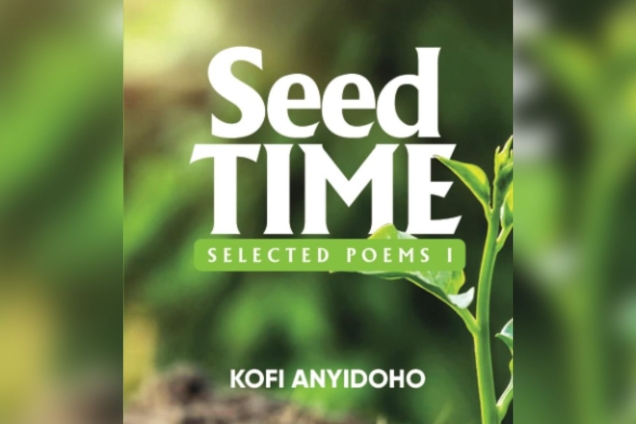
This piece explores the current status of literary education in Ghana and highlights the insights shared by prominent figures at the launch of the book "Seed Time."
Ghana has witnessed commendable educational progress over the years, with graduates contributing significantly to the nation's development. However, an examination of the current trajectory and the prevailing educational module reveals underlying challenges within the system.
At the book launch of "Seed Time," Professor Esi Sunderland emphasized the imperative for the Ghanaian government to leverage technological advancements effectively.
She stressed that the incorporation of new media and various events could provide platforms for sharing literary works, citing Ama Ata Aidoo as an example of a scholar whose contributions could be maximized through such means.
"I believe that literature can be integrated into a number of things that we do, a number of gatherings that we have where we can be quoting you know from some of these literary [works]," Professor Sunderland asserted.
Addressing the need for transformative change in the educational sector, Literary Scholar and Professor at the University of Ghana, Kofi Anyidoho, underscored the importance of prioritizing indigenous languages. He advocated for policies that consciously promote the habit of reading, particularly among children, as a means to enhance writing skills.
"We must read not just my books. I became who I've become by reading other people's books. Read all our other writers. Today all you find in the room of the kids are videos. We must not only ask our people to read, but we must also write for them to read. For our English to be good, every one of us must start by our own languages," emphasized Professor Anyidoho in an interview.
Understanding the value of literary works in Ghana goes beyond the academic realm; it is a cultural and societal imperative.
As the nation navigates the evolving landscape of education, incorporating literature strategically, promoting indigenous languages, and fostering a reading culture among the youth emerge as crucial steps toward a more robust and enlightened society.
Latest Stories
-
We can tackle multiple priorities – Sam George defends Anti-LGBTQ Bill push
16 minutes -
Statement: Ghana Chamber of Mines’ Response to Claims in Joe Jackson’s “Ananse Stories about the Economy of Ghana”
17 minutes -
GES opens 2026 teacher recruitment for licensed B.Ed graduates
19 minutes -
Ghana must value skilled trades, build resilient learners — Ibn Chambas
27 minutes -
Ghana must rethink education around relevance, resilience and responsibility — Ibn Chambas
30 minutes -
Prince Harry faces defamation lawsuit from charity he co-founded
32 minutes -
South Korea deploys thermal cameras to track escaped zoo wolf
34 minutes -
Calls for royal meeting with Epstein survivors grow ahead of US visit
37 minutes -
Ibn Chambas advocates blend of technology and human values in education
39 minutes -
UMA improves healthcare access in Asutifi North with GH₵700k ‘Kim Taylor Legacy’ Walkway
44 minutes -
Scholarships Authority and Fanaka University offer sponsorship for procurement and supply chain studies
47 minutes -
Bisa Kdei drops new single ‘Go N Look’ featuring Medikal
53 minutes -
Benin facing rising terrorism in north as French military presence faces growing criticism
54 minutes -
UEW Public Lecture Series 2026: Education debate ‘about the soul of Ghana’s future’ — Dr Ibn Chambas
55 minutes -
EU fingerprint and photo travel rules come into force from today
1 hour