

Audio By Carbonatix
The Forestry Commission, in collaboration with the Upper West Regional Coordinating Council (RCC), the Wa Traditional Council, and the University of Business and Integrated Development Studies (UBIDS), has launched the 2026 Tree for Life restoration initiative to help combat climate change and desertification in the Upper West Region.
The regional event, held on the UBIDS campus to mark World Environment Day, brought together government officials, traditional leaders, environmental experts, students, and community members to promote tree planting and environmental conservation.
The initiative forms part of efforts to address growing environmental challenges in the region, including erratic rainfall, rising temperatures, declining soil fertility, and widespread land degradation.
Representing the Upper West Regional Minister, Charles Lwanga Puozuing, Pognaa Fati Issaka Koray announced an ambitious target to plant 50,000 amenity seedlings across the region, in addition to 30,000 seedlings under the Tree on Farms initiative.
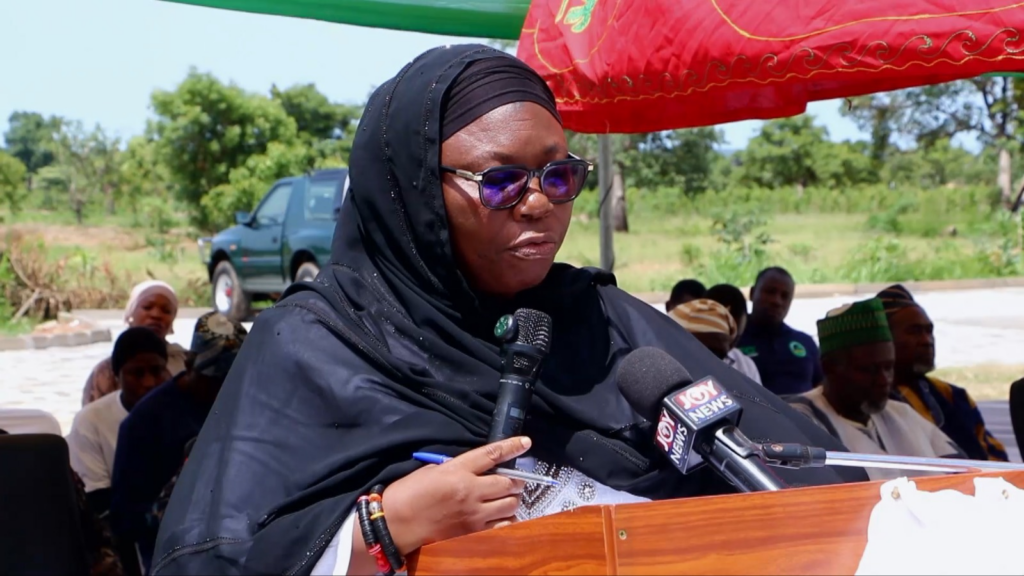
She said the launch coincided with World Environment Day and reflected the region's commitment to tackling climate change through practical action.
"Today is also World Environment Day, and we couldn't have chosen a better day than today to commemorate this tree planting exercise. And the focus of this year's World Environment Day is on climate change," she said.
Pognaa Koray stressed that tree planting in the Upper West Region had become a matter of necessity rather than ceremony.
"For us in the Upper West Region, tree planting is not simply an environmental activity; it is an investment in our survival, our economy, and future generations," she stated.
"If we fail to protect our environment today, we risk losing our arable lands, water sources, and livelihoods tomorrow."
She also appealed to residents to avoid activities that contribute to environmental degradation, particularly indiscriminate tree felling and bush burning.
Representing the Wa Naa, Fuseini Seidu Pelpuo IV, the Katua Naa, Naa Osman Salia, highlighted the importance of forests to human health and survival.
According to him, many of the medicinal resources relied upon by communities originate from trees and forest ecosystems.
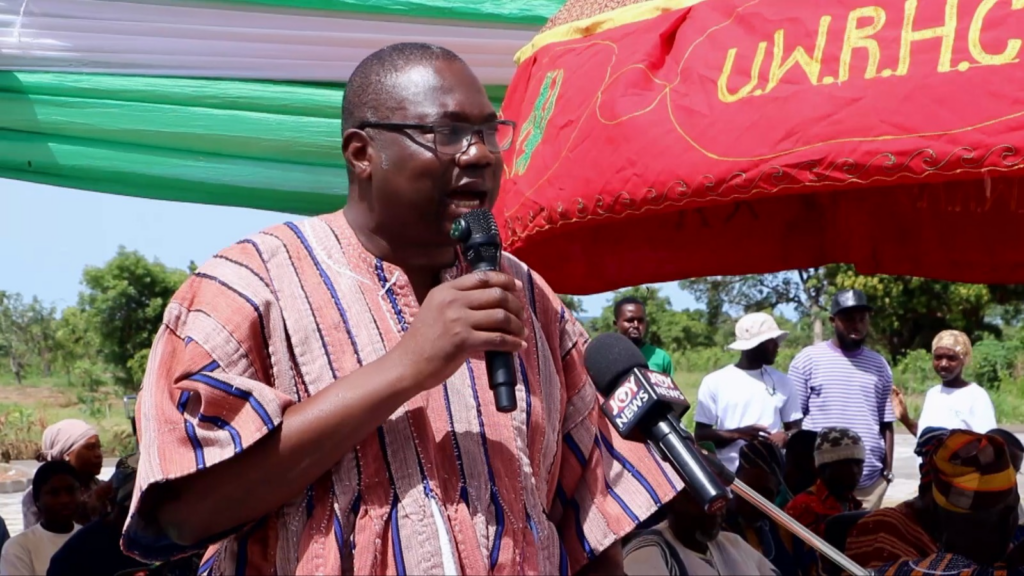
"Whatever medicine that we are taking to treat ourselves when we are ill comes from the trees," he said.
Naa Salia also called on the government to provide adequate resources to the Forestry Commission to enable it effectively carry out its mandate.
The Regional Manager of the Forest Services Division in Wa, Kwame Oteng Awuah, warned that climate change and environmental degradation were being worsened by uncontrolled logging and unsustainable farming practices.
He stressed the need to balance economic development with environmental protection.
"When we destroy our landscape, we bankrupt our future. When we restore our landscapes, we build economic resilience," Mr Awuah said.
He urged communities to embrace restoration efforts as a means of protecting livelihoods and strengthening resilience against climate change.
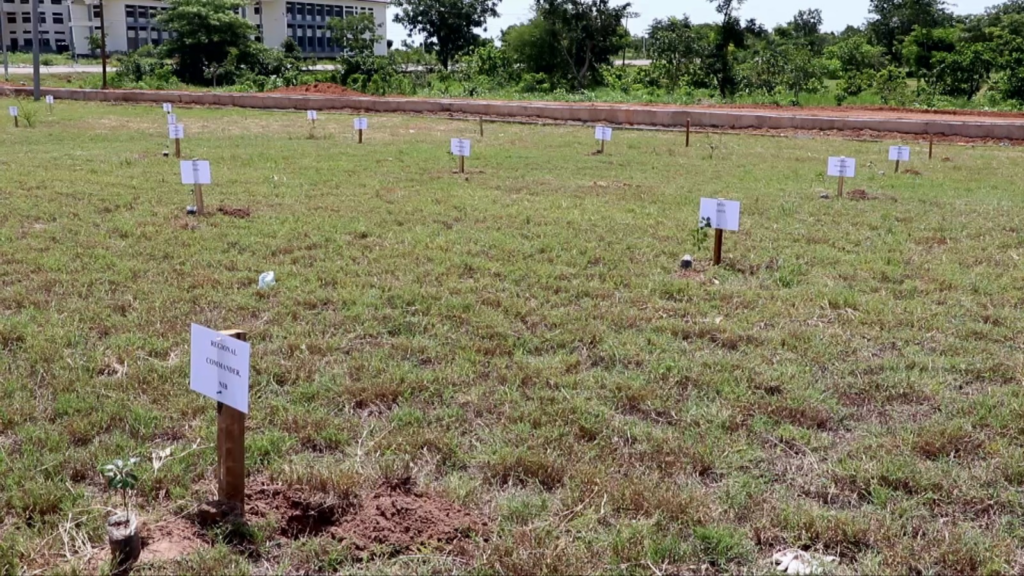
Hosting the event, the Vice-Chancellor of UBIDS, Professor Emmanuel Kanchebe Derbile, reaffirmed the university's commitment to environmental sustainability through the creation of a natural forest belt along its boundaries.
Professor Derbile revealed that the university recorded a 70 per cent survival rate for the 11,300 seedlings planted last year.
He attributed the success largely to the efforts of 25 women from surrounding communities who were engaged to nurture and maintain the young trees.
Highlighting the importance of environmental conservation, the Vice-Chancellor warned of the consequences of continued deforestation.
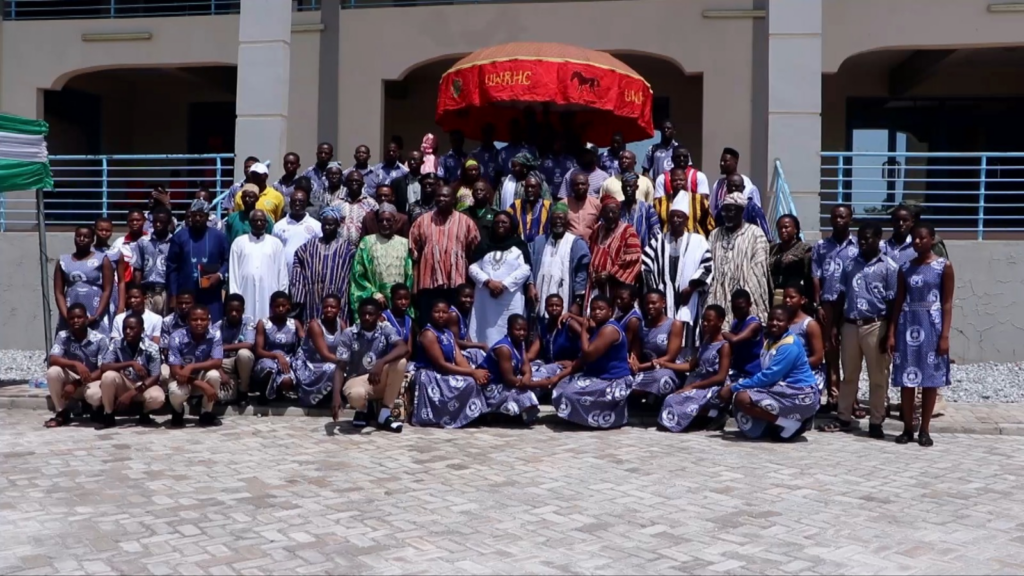
"When the last tree dies, the last man will die. Or when the last tree dies, the last woman will also die," he said.
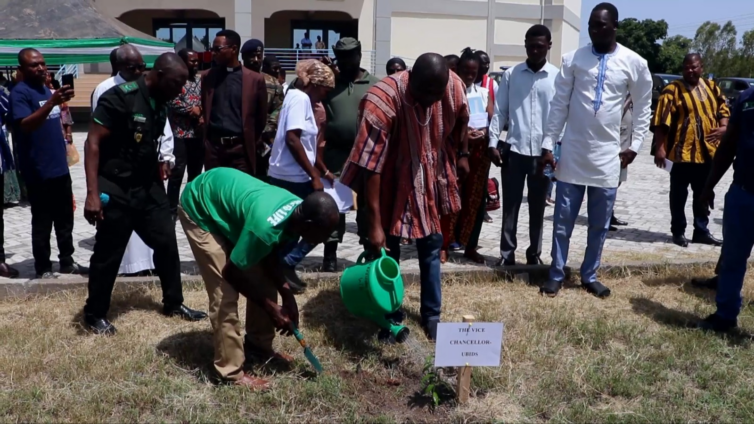
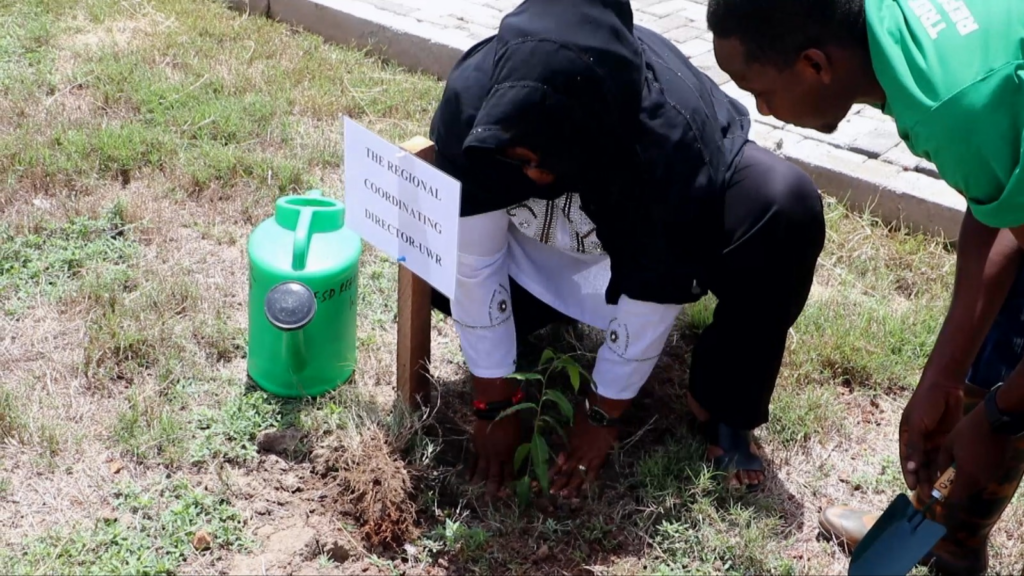
The event concluded with a symbolic tree-planting exercise led by representatives of the Wa Naa and the Regional Minister, alongside the Vice-Chancellor and the Regional Forestry Manager.
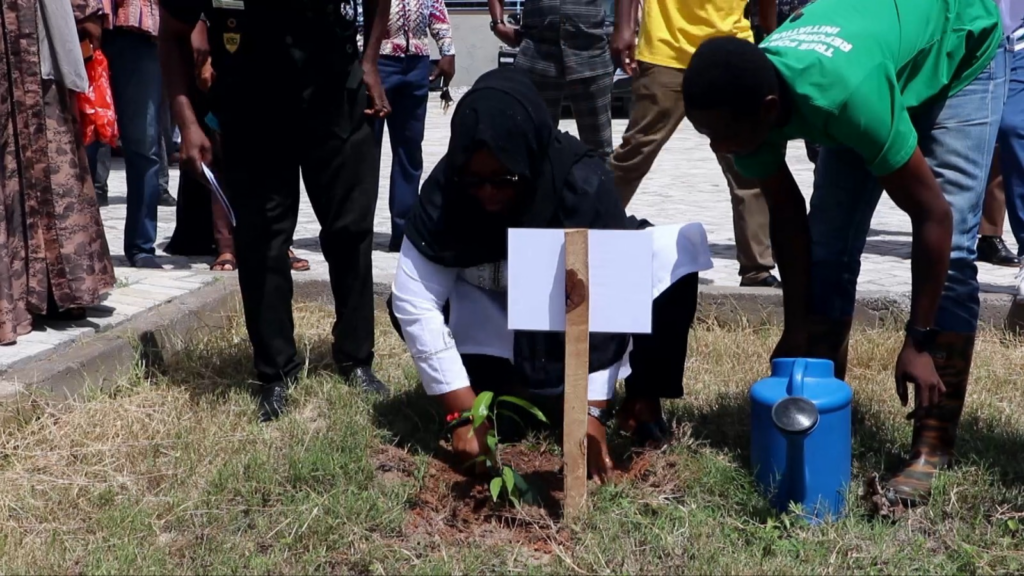
They planted the first four trees before police officers, military personnel, firefighters, students, and other participants joined the exercise by planting the remaining seedlings across the campus.
Latest Stories
-
Kodua dismisses rift fears, says he and John Boadu are focused on NPP victory
47 minutes -
‘There is no competition’ – Justin Kodua confident of NPP General Secretary re-election
2 hours -
J100 Accra Doubles Champions : Kolesolva/ Ndukwa, Agarwal/Patel seal title victories
2 hours -
Sydney Wright crowned J100 Accra Champion
2 hours -
J100 Accra Boys’ Singles: Verma denies Beckles back-to-back titles to claim crown
2 hours -
Two friends fined GH¢12,000 for stealing
2 hours -
Son jailed for threatening to stab mother
3 hours -
Drive constitutional reform – GJA urges journalists
3 hours -
NPP Delagates Congress: Confusion delays voting at Ashanti Region TESCON centre
4 hours -
Fire ravages shops, houses near Koforidua Central Police Station
4 hours -
NPP Delegates conference: The wisdom of the masses will prevail – Napo
5 hours -
Flydubai co-pilot attacked captain with axe, UAE official says
5 hours -
NPP Bosome Freho Constituency Chairman reportedly arrested over ballot paper incident
5 hours -
Medical plane with 6 on board missing off Massachusetts coast
5 hours -
Bolt driver jailed 25 years for robbing beautician
5 hours