


Audio By Carbonatix
The United State Department of Agriculture, USDA Grain and Feed 2025 Report forecasts Ghana’s milled rice production for 2025/2026 at 900,000 metric tons, representing “an 18 percent increase from the previous year due to favorable weather and improved farmer participation.” But the optimism is tempered by weather risks. The report cautions that the Ghana Meteorological Agency has predicted “normal-to-below-normal rainfall and longer dry spells in 2025,” raising concerns over crop sustainability.
The production gap is already being felt in prices. According to the USDA, “Between March 2024 and January 2025, the average price of a 100kg bag of rice increased from GH¢200 to GH¢650, a 225 percent jump.” Although prices fell to GH¢400 by March 2025, they still remained twice as high compared to a year earlier. Millers have explained that paddy rice with low moisture content attracted lower prices because “it breaks more during milling, reducing quality and affecting supply to the market.”
Despite growing local output, Ghana’s appetite for rice is rising faster. The report notes that consumption is projected to hit 1.80 million MT in 2025/2026, up from 1.75 million MT the previous year, driven by population growth and changing diets. “Ghana’s urban population prefers fragrant long-grain rice, which is largely imported,” the report stated. Imports are expected to rise to 1.0 million MT, making up more than half of the national requirement.
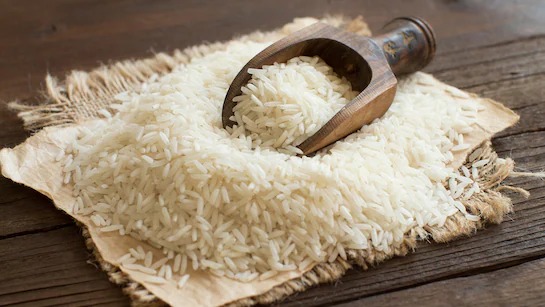
The pricing trend underscores the problem. The USDA cites that as of early 2025, “a 25kg bag of Thai fragrant rice averaged GH¢690, Vietnamese rice sold at GH¢490, while local long-grain rice was priced at GH¢535.” With imports cheaper and often better processed, they remain more attractive to consumers.
The report emphasizes that “70 percent of rice sold in Ghana is imported,” with Vietnam, India, and Thailand dominating the market. U.S. rice exports have declined significantly as a result of lower price competitiveness and stronger Asian competition.
Rice has become the second most important cereal after maize, with per capita consumption now at 51kg. Yet, local production struggles with structural challenges — poor irrigation, low mechanization, and weak processing capacity. “Unless these bottlenecks are addressed, Ghana will remain import-dependent, leaving consumers vulnerable to global price shocks and exchange rate pressures,” the USDA warned.
Government has attempted to promote local rice through programs such as the National School Feeding Scheme, but uptake remains slow. The USDA concludes that while production is rising, “quality concerns, irregular supply, and distribution challenges continue to undermine local rice competitiveness.”
Latest Stories
-
GES and NIA step up plans for nationwide registration of children
11 seconds -
Heavy politicisation of cocoa industry has affected sector – Professor Peprah
3 minutes -
PBC MD appeals to COCOBOD to end cocoa payment delays
5 minutes -
Pink Ladies Cup: Six debutants named in Black Queens squad for tournament
13 minutes -
Open letter to Education Minister: Rising student deviance and the urgent need for national parental responsibility framework
23 minutes -
President Mahama to deliver State of the Nation Address on February 27
23 minutes -
Dr Kotia backs Ghana’s move to refer maritime boundary dispute with Togo to International arbitration
25 minutes -
When “substantive ” become a security strategy — Rev Ntim Fordjour’s nameplate doctrine
31 minutes -
No plan to pay cocoa farmers, yet ready to change NIB to BNI—Dr Ekua Amoakoh
32 minutes -
COCOBOD is not your cover story. It will not be your scapegoat
33 minutes -
BOST Energies welcomes Salifu Nat Acheampong as new Deputy Managing Director
40 minutes -
NIB or BNI: Will changing the name solve the problem? Asks Prof. Boadi
44 minutes -
Abidjan to host DRIF 2026 as global talks on digital rights and inclusion open for registration
48 minutes -
CEPI unveils new plan to protect the world from deadly disease outbreaks
53 minutes -
NVI survey aims to build trust in local vaccines across Ghana
58 minutes