

Audio By Carbonatix
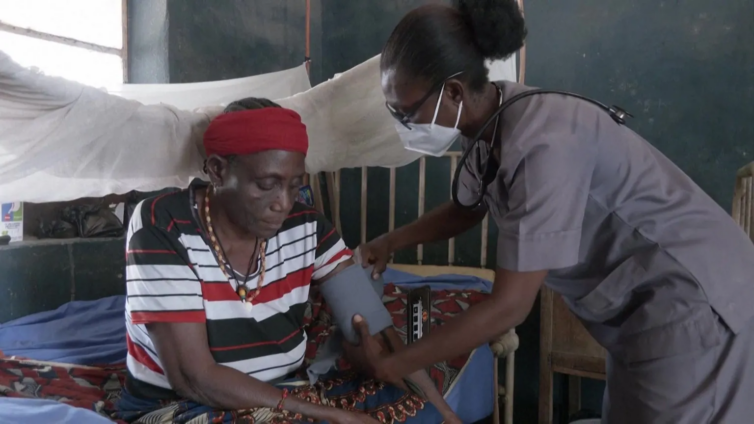
People affected by leprosy in Nigeria should be able to get hold of vital drugs to treat the disease for the first time in a year from this weekend, the World Health Organisation has said.
The country, which reports more than 2,000 new cases a year, ran out of supplies partly because drugs were held up after new regulations were introduced.
The WHO said it had asked Nigeria to briefly lift its new testing policy and it expects the drugs to arrive from India on Sunday.
Leprosy is curable with a combination of different antibiotics, but if left untreated, the patients' health can deteriorate with sores and nerve damage that cause deformities.
The treatment can last between six and 12 months.
But because of the lack of drugs in Nigeria, patients have been sent home from hospitals. As the drugs suppress transmission,n this increases the risk of the disease spreading.
Dr Samimu Msheliza, a public health expert and medical advisor at the Nigerian branch of the Leprosy Mission, highlighted the urgent need for medication.
"We have thousands of newly diagnosed leprosy patients across various cities who are just waiting for this drug," he told the BBC.
"The quicker we have [the drugs], the better, because currently these people are suffering, their transmission is ongoing because they are not being treated," Dr Msheliza said.
The Reuters news agency spoke to one woman at a hospital in Nasarawa state, who said her condition had got much worse since she was not able to get hold of the combination of drugs.
All Awwal Musa's fingers were clawed and her legs discharged pus. "Before last year, my wounds were getting healed but now they are getting worse. The pain is worse," Ms Musa is quoted as saying.
The nerve damage may be irreversible.
Nigeria's drug authority introduced new regulations for medicines aimed at tackling the importation of counterfeit and sub-standard drugs.
In recent years, several medicines have been recalled for failing to meet safety standards.
But the new measures have had an impact on the availability of crucial treatments, including those for leprosy.
Latest Stories
-
GPRTU in Savannah Region to protest alleged eviction in Damongo
28 minutes -
Re: Reinsurance does not replace process — A response to the SIGA–SIC defence
42 minutes -
Gender Ministry supports Harriet Amuzu in ongoing abuse case
56 minutes -
AG joins plaintiff to scrap OSP ?: We should be mindful of the mischief in this – Bobby Banson
1 hour -
Samson Lardy Anyenini questions willingness of Attorneys-General to prosecute political colleagues
1 hour -
It is only fair the OSP is heard in Supreme Court case – Bobby Banson
1 hour -
Asiedu Nketia resumes Ashanti tour, second leg kicks off on Sunday
1 hour -
NLA denies salary cut claims, threatens legal action over reports
1 hour -
BoG Governor honoured for stabilising cedi, improve inflation
1 hour -
Kyebi Easter Homecoming 2026: A resounding success!
2 hours -
RNAQ divorce ruling: What the noise is hiding
2 hours -
Trade Minister applauds GUTA as a pillar of economic growth; Prez Mahama honoured
2 hours -
President’s brother’s takeover of Damang Mines is ‘untidy’ – Alhassan Tampuli
3 hours -
It’s not true that gov’t decided not to renew the lease for Gold Fields – Bobby Banson
3 hours -
Ghana to boost tomato production with 60-hectare irrigated farms and processing initiatives
3 hours