

Audio By Carbonatix
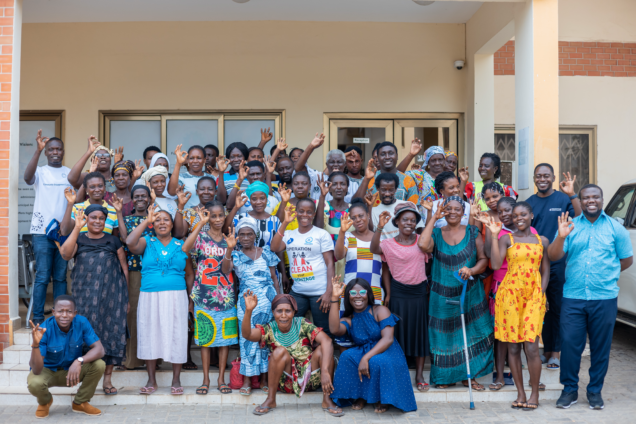
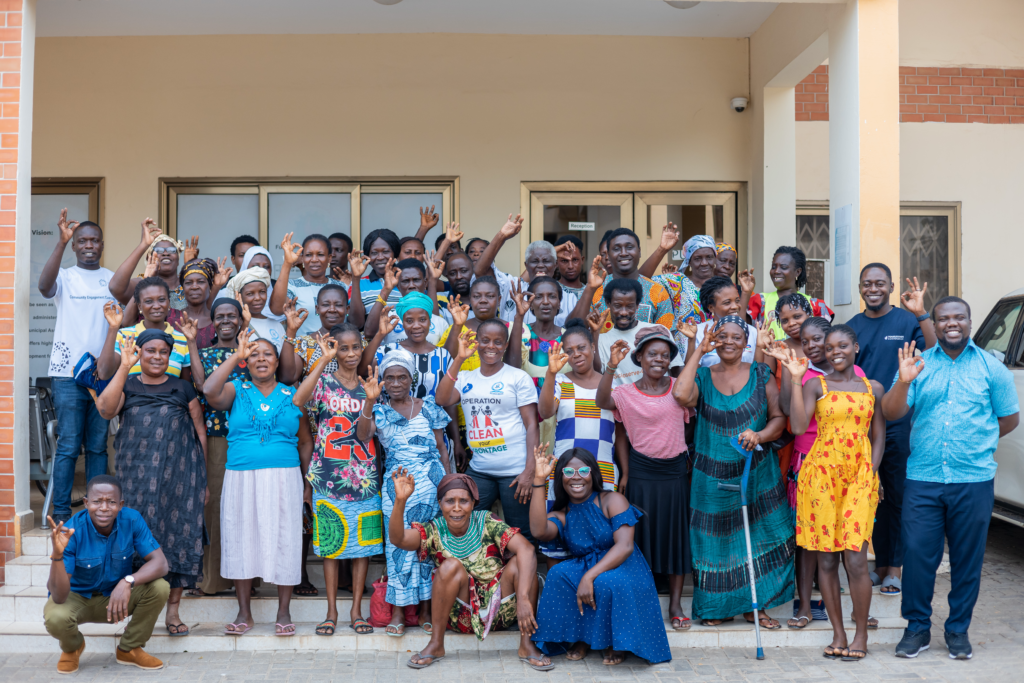
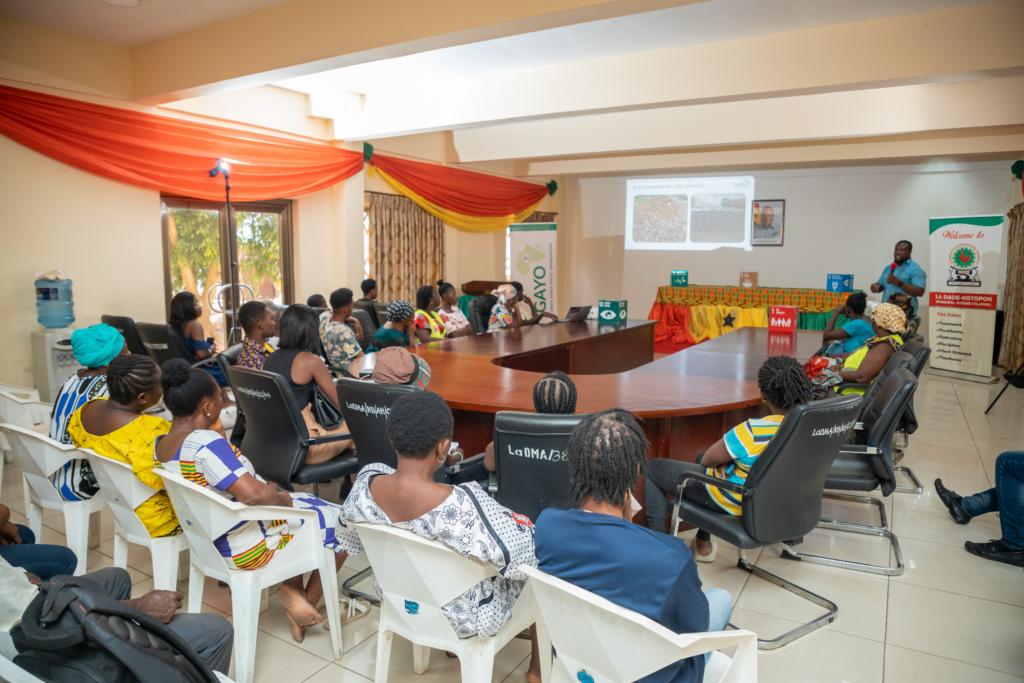
Waste workers in the La Dade Kotopon and Ledzokuku municipalities have received critical training to combat methane emissions and air pollution as part of an initiative funded by the Clean Air Fund and Global Methane Hub. The capacity-building program aimed to equip these frontline workers with the knowledge and skills necessary to reduce methane gas emissions, improve air quality, and safeguard public health.
Methane is one of the most potent greenhouse gases, contributing significantly to climate change. According to the United Nations Environment Programme (UNEP), methane has more than 80 times the warming power of carbon dioxide over 20 years.
In Ghana, landfill sites and poorly managed waste contribute heavily to methane emissions. The Environmental Protection Agency (EPA) of Ghana has identified waste mismanagement as a major factor in urban air pollution, leading to health risks such as respiratory diseases.
A report by the Climate and Clean Air Coalition states that methane emissions from waste can be significantly reduced by adopting better waste management practices, including organic waste separation, composting, and landfill methane capture. However, a lack of awareness and infrastructure has hindered progress in Ghana.
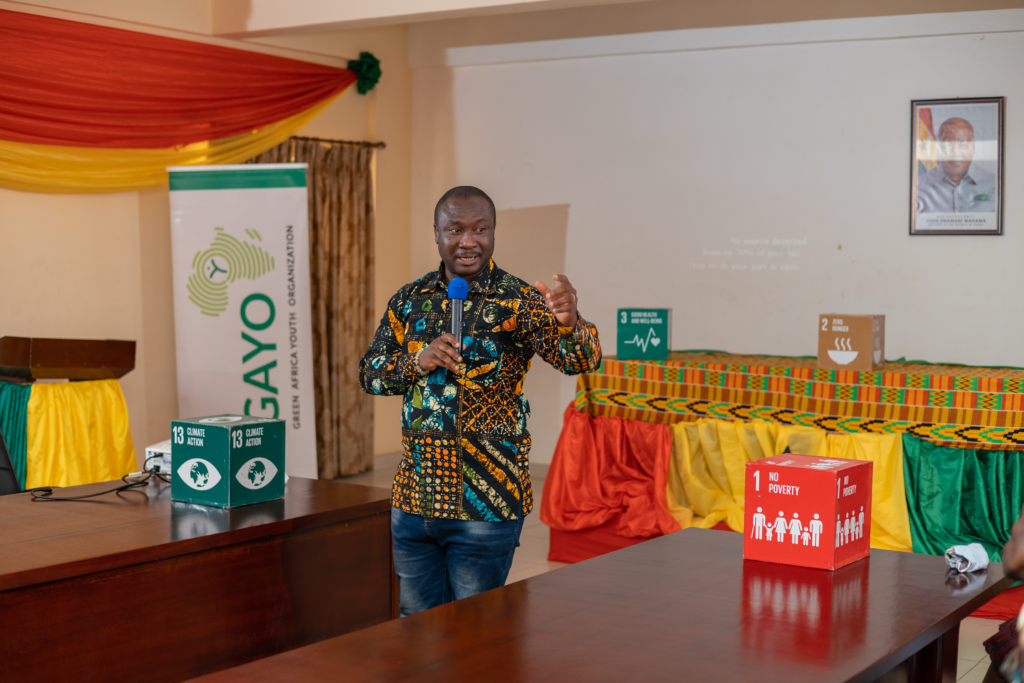
Speaking on the importance of the program, Mabel Naa Amorkor Laryea of the Green Africa Youth Organization (GAYO) explained that waste workers are being trained as key agents in the fight against air pollution and climate change.
“These workers interact directly with waste daily, making them the first line of defence against methane emissions,” she stated. “By understanding how waste contributes to air pollution, they can take active steps to reduce emissions and educate households on best practices.”
The training focused on several key areas, including:
- Understanding Clean Air and Climate Nexus: Educating workers on how waste management impacts air quality.
- Methane Emissions and Sources: Highlighting the role of organic waste in methane production.
- Practical Mitigation Strategies: Teaching waste workers how to promote and implement waste segregation at the household level.
- Health and Environmental Safety: Ensuring workers understand how to protect themselves from exposure to harmful gases.
- Community Education and Engagement: Empowering workers to become advocates for clean air in their communities.
Waste segregation at source has been identified as a key strategy in reducing methane emissions. According to a study by the World Bank, organic waste makes up more than 50% of the total municipal solid waste in developing countries, and improper disposal significantly contributes to methane emissions.
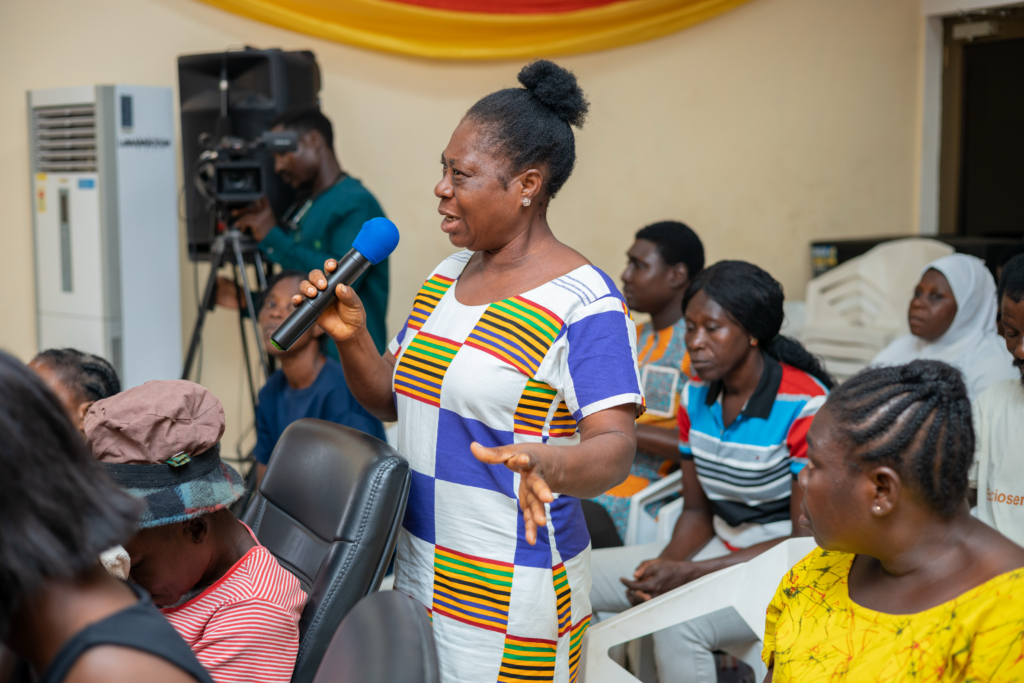
Mabel Laryea emphasized that a major challenge is the lack of awareness among households.
“When organic waste is mixed with plastics and other waste, it decomposes anaerobically in landfills, producing large amounts of methane,” she explained. “By separating organic waste and composting it, we can significantly cut down on methane emissions.”
The Green Africa Youth Organization has been working with over 600 waste workers in La Dade Kotopon and Ledzokuku, training them to educate community members on the importance of separating organic waste from general waste.
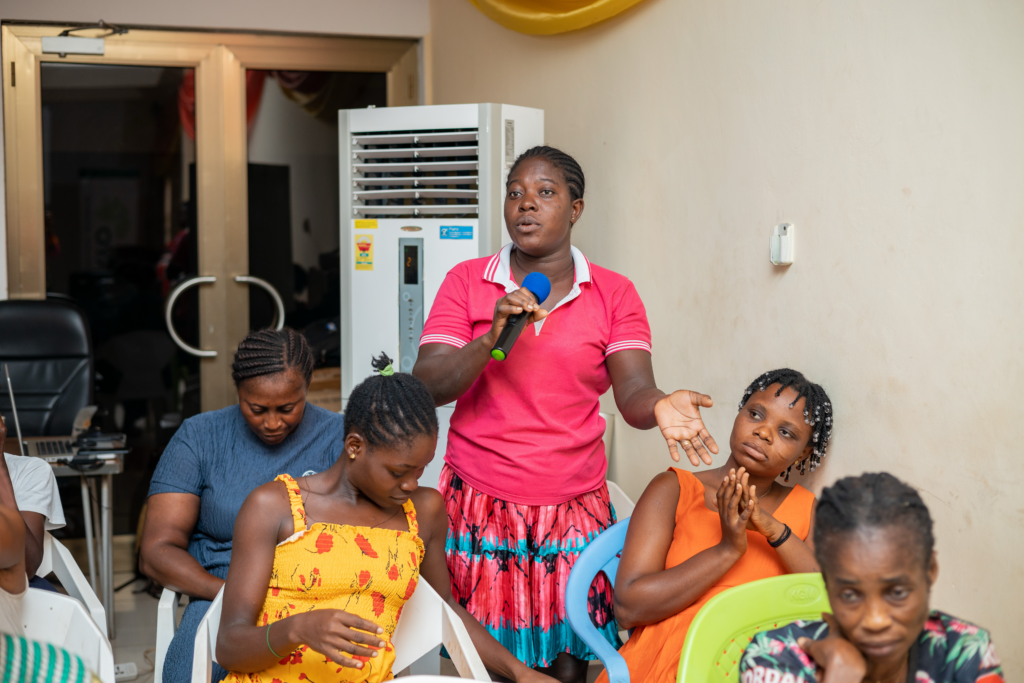
“The process we are using is gradual, but with consistency, we believe we can make a lasting impact,” Laryea emphasized. “We are encouraging waste workers to be the bridge between environmental organizations and the people.”
This initiative aligns with global efforts to combat climate change and improve urban air quality. Studies indicate that reducing methane emissions from waste can have an immediate impact on climate change mitigation while also improving the health of urban populations.
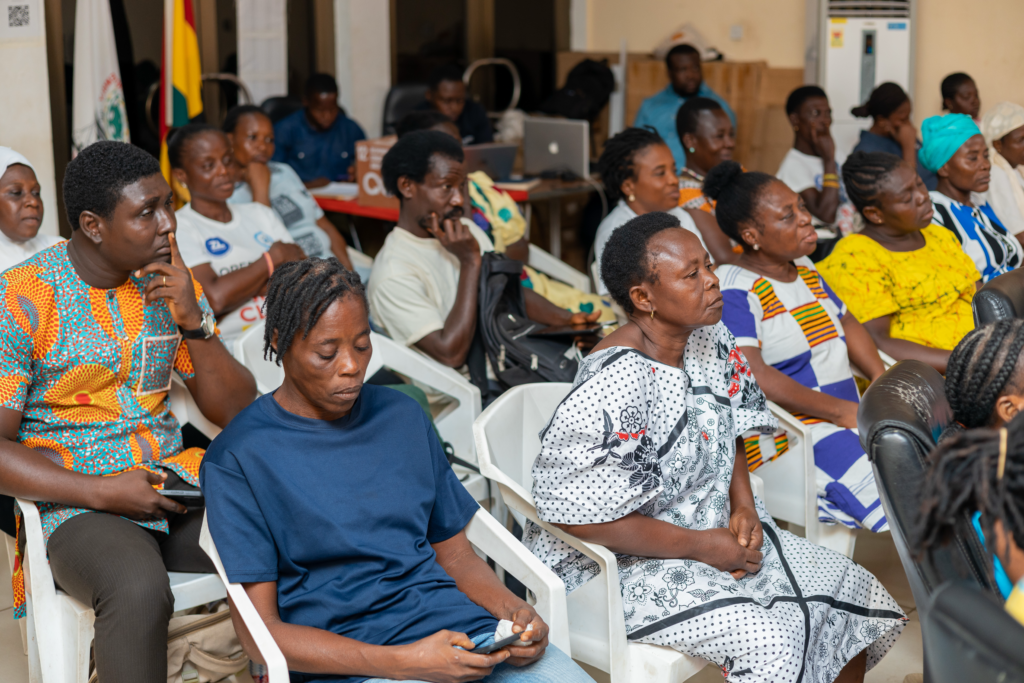
As Ghana continues to grapple with air pollution and climate challenges, empowering waste workers through education and practical training represents a crucial step toward a cleaner, healthier future.
With support from the Clean Air Fund and Global Methane Hub, the initiative is setting a precedent for inclusive and community-driven environmental action—proving that even small changes at the grassroots level can drive meaningful climate solutions.
Latest Stories
-
Blind refugee found dead in New York after being released by immigration authorities
12 minutes -
Stanbic Bank Ghana leads $205m financing for Engineers & Planners
19 minutes -
Mobile Money Ltd’s Paapa Osei recognised in Legal 500 GC Powerlist: Ghana 2026
39 minutes -
Flights in and out of Middle East cancelled and diverted after Iran strikes
57 minutes -
Dr Maxwell Boakye to build 50-bed children’s ward at Samartex Hospital in honour of late mother
1 hour -
One killed and 11 injured at Dubai and Abu Dhabi airports as Iran strikes region
1 hour -
Former MCE, 8 others remain in custody over alleged land fraud in Kumasi
1 hour -
Black Queens players stranded in UAE over Israel-Iran conflict
2 hours -
James Owusu declares bid for NPP–USA chairman, pledges renewal and unity
2 hours -
Trump threatens strong force if Iran continues to retaliate
3 hours -
Lekzy DeComic gears up for Easter comedy special ‘A Fool in April’
4 hours -
Iran declares 40 days of national mourning after Ayatollah Ali Khamenei’s death
5 hours -
Family of Maamobi shooting victim makes desperate plea for Presidential intervention
6 hours -
Middle East turmoil threatens to derail Ghana’s single-digit gains
6 hours -
Free-scoring Semenyo takes burden off Haaland
7 hours