

Audio By Carbonatix
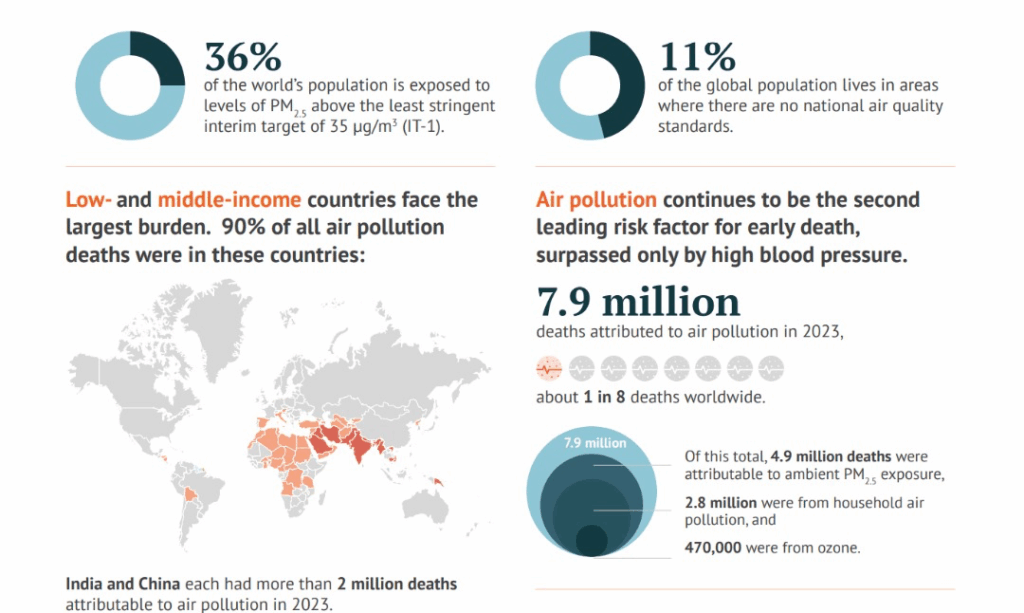
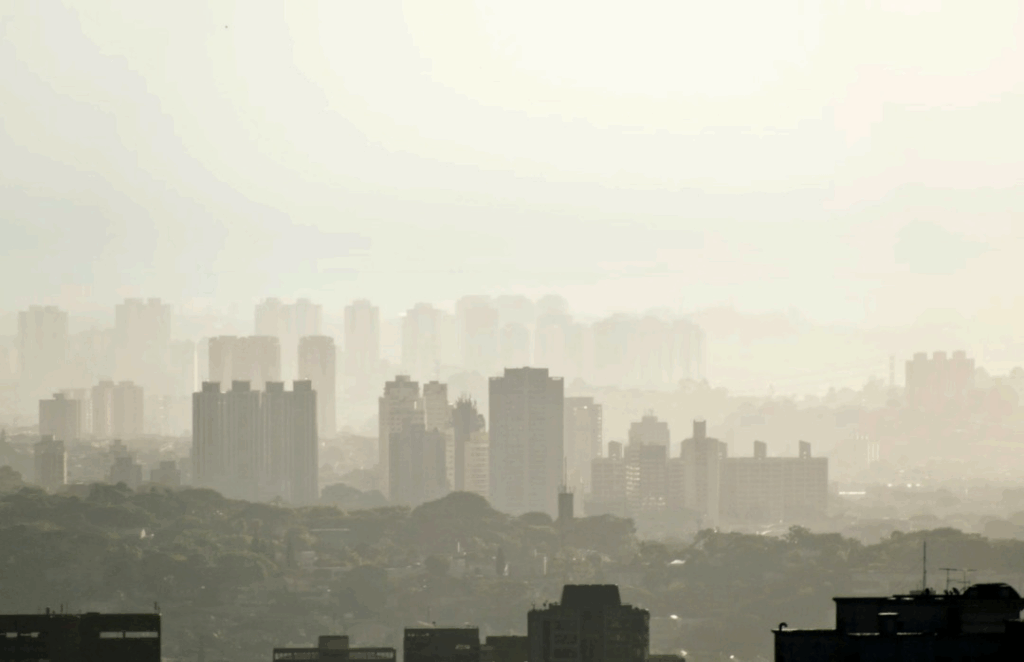
Air pollution remains one of Ghana’s deadliest public health threats, claiming over 32,000 lives in 2023, according to the State of Global Air 2025 report.
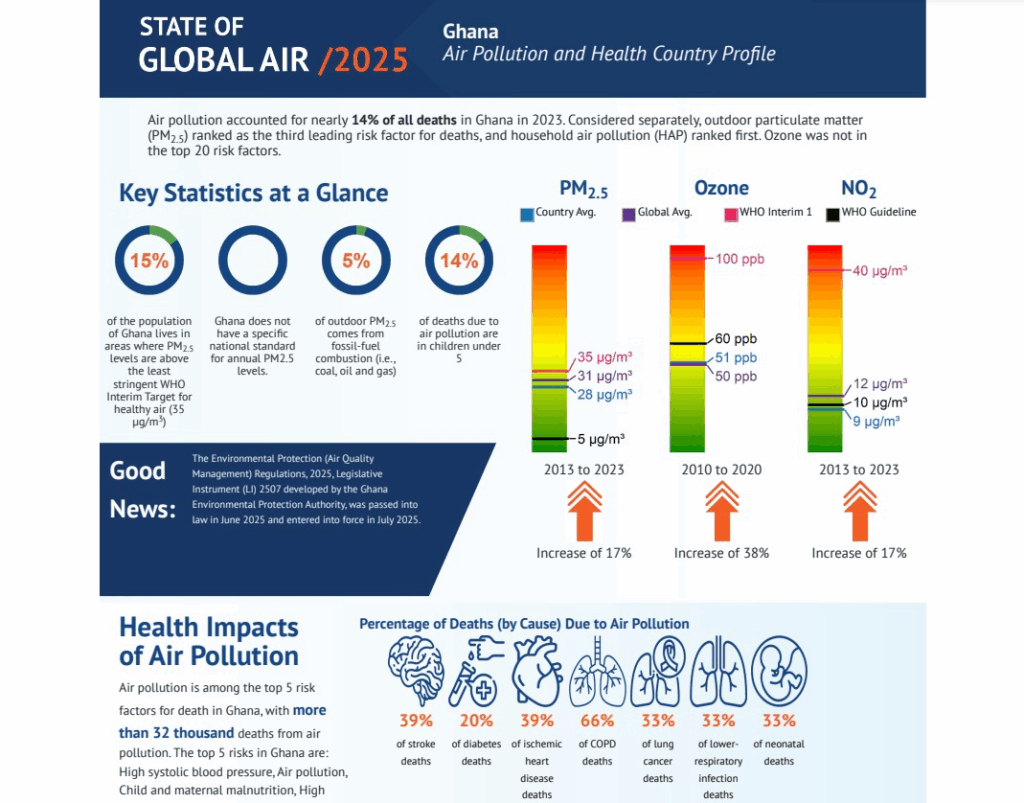
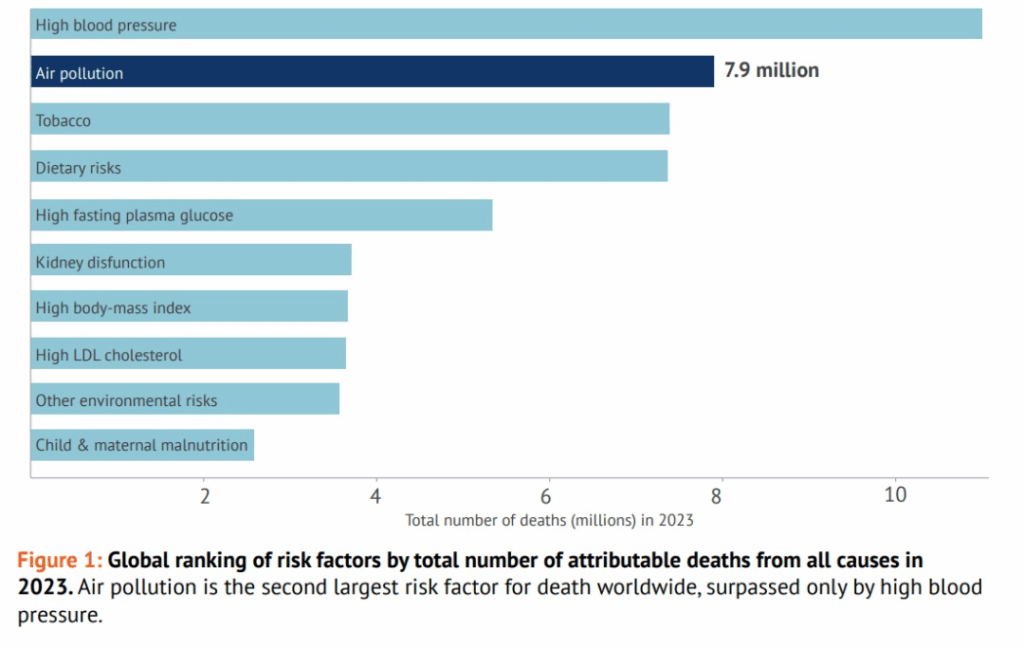
The report, produced by the Health Effects Institute (HEI) in partnership with the Institute for Health Metrics and Evaluation (IHME), finds that air pollution accounted for nearly 14% of all deaths in Ghana last year — making it the country’s second leading risk factor for death, behind high blood pressure.
Comparatively, the World Health Organisation (WHO) had earlier estimated in 2019 that over 28,000 Ghanaians die prematurely every year due to polluted air. By 2025, that figure had surged by more than 4,000, marking a worrying trend.
According to the Air Quality Life Index (AQLI) 2025 report, dirty air is robbing the average Ghanaian of almost 0.8 years of life expectancy—about nine months lost per person.
While global deaths linked to air pollution have hovered around 7.9 million, Ghana’s burden remains disproportionately high.
The country recorded a death rate of 177 per 100,000 people, more than 10 times higher than that in high-income countries.
Of the total deaths, about 5,900 were children under the age of 20, underlining the severe toll of polluted air on Ghana’s youngest and most vulnerable.
The Cost of Dirty Air
The report highlights that one in every three heart disease deaths in Ghana is linked to air pollution, while two-thirds of chronic obstructive pulmonary disease (COPD) deaths and one in five diabetes deaths are attributed to poor air quality.
Other serious impacts include 33% of deaths from lung cancer, neonatal complications, and lower respiratory infections.
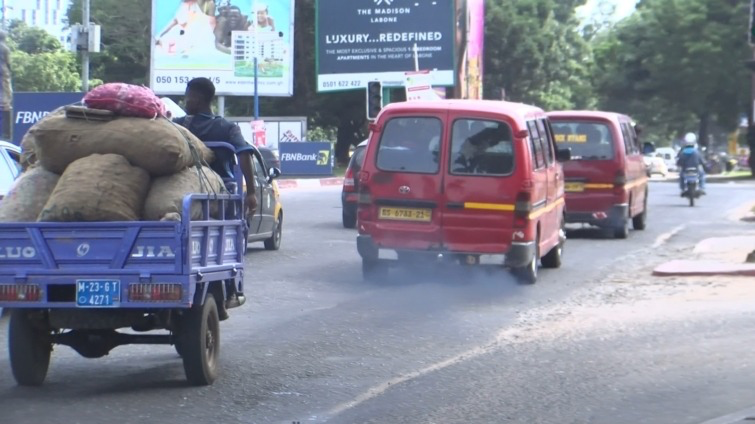
Household air pollution from burning wood, charcoal, and other solid fuels remains Ghana’s single largest contributor to the crisis, responsible for 71% of pollution-related deaths, while outdoor particulate matter (PM2.5) — largely from vehicle emissions, industrial activities, and waste burning — accounts for 29%.
Ghana’s Growing Pollution Burden
The country’s annual average PM2.5 concentration stands at 28 µg/m³, below the WHO’s least stringent target of 35 µg/m³ but still nearly six times the organisation’s recommended guideline of 5 µg/m³.
Data shows that pollution levels have risen by 17% between 2013 and 2023, reflecting worsening urban air quality despite growing awareness.
For ozone and nitrogen dioxide (NO₂), Ghana’s annual averages were 51 ppb and 9 µg/m³ respectively — roughly in line with global averages, but with both showing significant increases over the past decade.
The major sources of outdoor air pollution include residential emissions (6.6%), agriculture (2.2%), energy production (2.2%), and industrial activities (1.2%).
Weak Standards, High Stakes
Despite its heavy pollution burden, Ghana only recently took steps toward stronger air quality management.
The Environmental Protection (Air Quality Management) Regulations, 2025 (L.I. 2507) — passed in June and effective from July — represent the country’s first comprehensive legal framework for air pollution control.
However, Ghana has no specific national standard for annual PM2.5 levels.
The new law empowers the Environmental Protection Agency (EPA) to set emission limits, monitor air quality, and penalise polluters — a move experts say could finally align Ghana with global clean air efforts.
A Widening Gap
Comparatively, the 2024 State of Global Air report, which covered 2021 data, estimated 8.1 million global deaths from air pollution, with Africa and South Asia suffering the highest burden.
That year, Ghana’s premature deaths stood at about 28,000, according to WHO estimates — meaning the country has seen a worrying rise of over 4,000 pollution-related deaths in just two years.
A Call for Urgent Action
Experts warn that without swift action, air pollution could undermine Ghana’s health and development goals. The report estimates that 5% of outdoor particulate pollution comes from fossil fuel use, a share expected to rise with increased energy demand and vehicle imports.
Air pollution is now among Ghana’s top five causes of death, alongside high blood pressure, malnutrition, and poor diet. For many households, the lack of access to clean cooking fuels, sustainable livelihoods, and proper waste systems continues to fuel the crisis.
The findings make one thing clear: without stronger air quality standards, clean energy investment, and enforcement, thousands more Ghanaians will keep dying quietly — simply for breathing.
This story was a collaboration with New Narratives. Funding was provided by the Clean Air Fund, which had no say in the story’s content.
Latest Stories
-
Popular Nigerian gospel singer Toluwanisings dies
10 minutes -
Spio-Garbrah proposes debt swaps to fund reparative justice in Africa and Caribbean
17 minutes -
Alban Bagbin calls for governance reforms and coordinated action to address Africa’s debt crisis
20 minutes -
AAK Academy Ghana trains 22 chocolate and confectionery companies in production techniques
21 minutes -
Adwumawura Programme trains second cohort of young entrepreneurs in Bono East
23 minutes -
Destroying Jimi River for gold could cost us our lives – Asantehene
30 minutes -
Sammy Gyamfi didn’t say BoG has ceded its forex role to us – GoldBod
1 hour -
High Court sets November 4 for ruling on Wontumi’s bail application
2 hours -
Tetteh Kwetey files nomination for NDC Greater Accra Regional Chairmanship
2 hours -
Korle Bu appeals for more doctors, nurses as A&E Centre struggles under pressure
2 hours -
AFCON 2027Q: ‘I’m optimistic Black Stars can turn things around’ – Agyemang-Badu
2 hours -
Digital innovation could widen Africa’s inequalities if people are left out – Sam Jonah
2 hours -
Galamsey is an economic, health and moral problem – Sam Jonah
2 hours -
Africa must create AI technology instead of paying to use it – Sam Jonah
2 hours -
2026 U-17 WWC: Black Maidens to face Norway, Brazil and Canada in Group C
2 hours