

Audio By Carbonatix
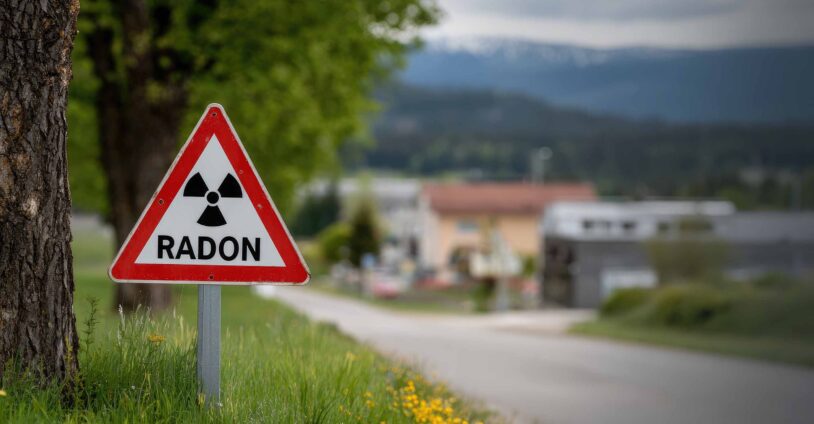
Air pollution is often linked to smoke from vehicles, dust and the burning of waste. But scientists say there is another dangerous pollutant in the air that people cannot see or smell — radon gas.
Researchers at the Ghana Atomic Energy Commission say the radioactive gas is naturally present in the environment, and prolonged exposure could increase the risk of lung cancer, even among non-smokers.
Senior Research Scientist at the Commission, Dr Irene Opoku-Ntim, explains.
“There are other pollutants, as we all know, that we talk about, the dust, the burning and all those things, but there's also another hidden risk that is radon, which is giving people lung cancer beyond smoking and the other pollutants that we know out there,” Dr Irene Opoku-Ntim said.
Radon, sometimes, seeps from the ground into homes through cracks, holes and poorly ventilated spaces.
Once trapped indoors, people breathe it in over time without even knowing. The World Health Organisation says indoor radon levels above 100 becquerels per cubic metre pose a health risk and should trigger action to reduce exposure.
Researchers in Ghana have already identified some areas with higher concentrations of radon.
“So we have a radon map for Ghana, which is a preliminary one that we've done. We are still working on that. That shows that places that have high radon concentration is being correlated with places that have earthquakes. So we've done a bit of research in the high radon areas, that is, Weija, Kasoa, McCarthy Hill, along those stretches. So we have the fault lines that pass through. So within these fault lines, radon in those areas is high because radon is being correlated with earthquakes.”
But scientists say there are ways to reduce the risks.
“If you test the soil and the levels are high, we will advise you on how to build. We see that nowadays, we build by casting our foundation, laying this polyethene. It's one of the ways to reduce the impact. Any space that it gets, it can enter your room. So if you have cracks in your homes, make sure that you seal them.”
Researchers say greater awareness and testing could help families better protect themselves from the hidden pollutant that many people breathe every day without realising it.
This story was a collaboration with New Narratives. Funding was provided by the Clean Air Fund which had no say in the story’s content.
Latest Stories
-
Tullow Oil posts $101m half-year loss despite production gains
13 minutes -
Multimedia Group congratulates Fidelity Bank on 20 years of excellence and impact
23 minutes -
‘Is 24-hour Market concept still part of 24-hour Economy?’ – Hassan Ayariga asks government
30 minutes -
Today’s front pages: Tuesday, October 6, 2026
33 minutes -
Bawumia urges NPP Ashanti region stakeholders to use experience to strengthen party ahead of 2028
45 minutes -
Parliament questions proliferation of unapproved containers in East Legon
2 hours -
Promotion arrears alone cannot end teachers’ strike — PRETAG
2 hours -
Ebi Bright alleges assault on driver in dispute with Tema Central MP
2 hours -
GH¢35m Darkuman 24-hour market to be completed in 16 months — MCE
3 hours -
NPP risks losing Karaga seat if Amin Adam doesn’t contest – John Boadu
3 hours -
Ghana Reference Rate falls to 10.04% in October as borrowing costs ease
3 hours -
53% of NPP delegates backed alternatives to John Boadu in chairmanship race – Mussa Dankwah
3 hours -
High taxes, water shortages push up hotel operating costs — Hotels Association
3 hours -
Catholic Bishops demand tougher action on tramadol, marijuana and other drugs
3 hours -
Government positioning Banda District to become major tourism destination hub – Housing Minister
3 hours