

Audio By Carbonatix
The government’s intensified campaign against illegal mining (galamsey) has resulted in the arrest of 258 suspects and the seizure or immobilisation of thousands of pieces of mining equipment, but the prosecution of those arrested remains a major concern.
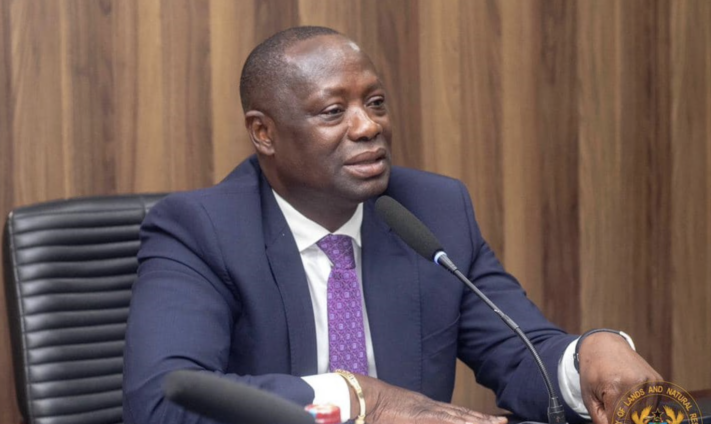
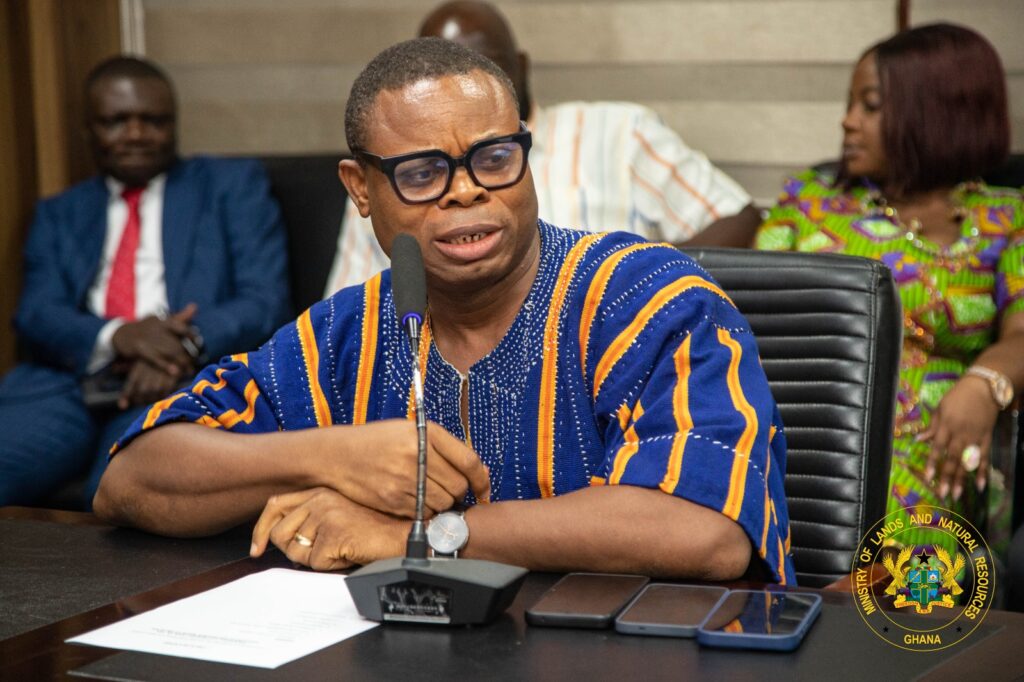
The Minister for Lands and Natural Resources, Emmanuel Armah-Kofi Buah, said the effectiveness of the anti-galamsey campaign could not be measured by arrests and seizures alone, stressing the need to ensure that cases reach their logical conclusion in court.

“The challenge we are having is not the arrest. It is the prosecution.”
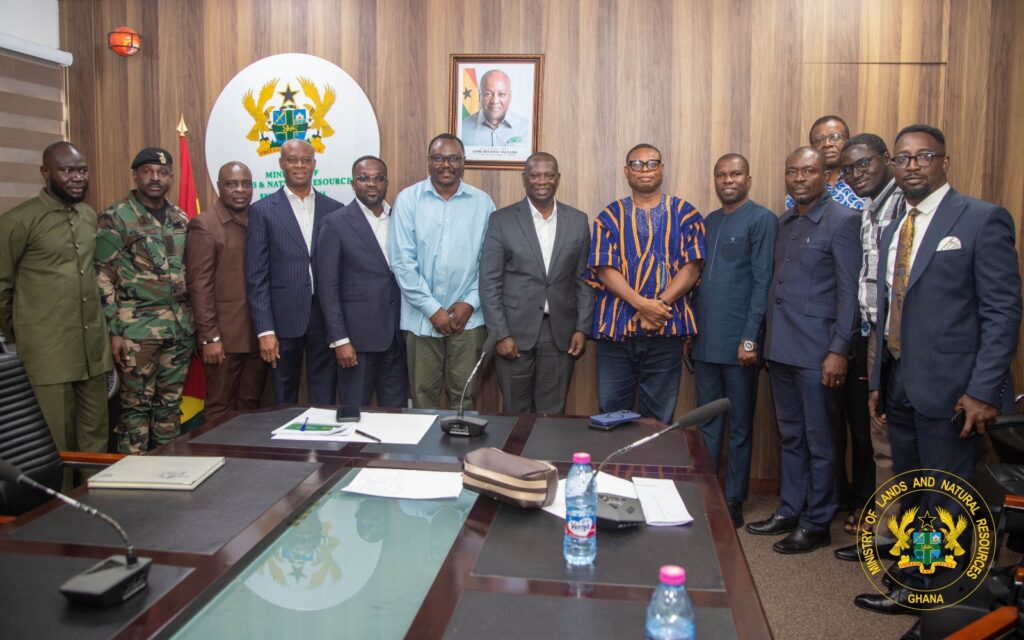
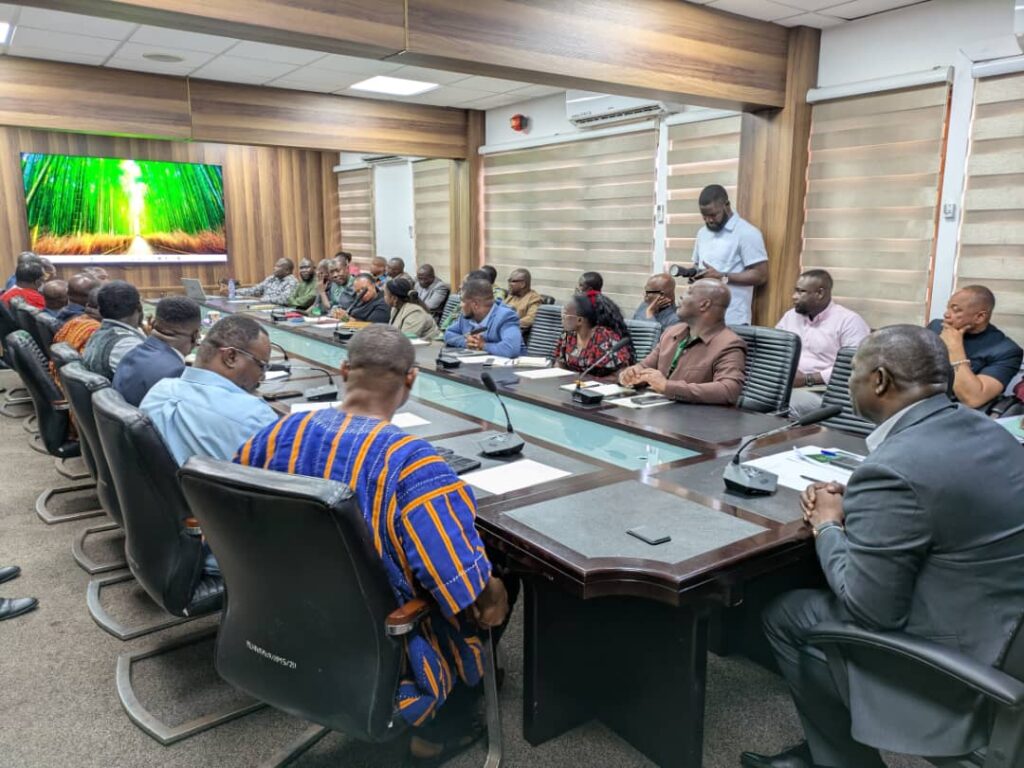
Mr Buah made the disclosure at a policy engagement with the IMANI Centre for Policy and Education in Accra on Thursday, August 13, where he discussed the challenges inherited by the government, ongoing reforms and measures being implemented to address illegal mining.
258 arrested
According to the minister, 258 suspects had been arrested in operations targeting illegal mining in forest reserves as of July 2026.
However, the Ministry did not provide a corresponding breakdown of how many of the suspects had been charged, prosecuted or convicted, or how many cases remained pending.
Mr Buah said the ministry was working with the Attorney-General’s Department to address the difficulties associated with prosecuting illegal mining cases.
The issue puts the spotlight on the justice component of the government’s anti-galamsey drive, particularly whether enforcement operations can produce lasting results if arrests do not translate into successful prosecutions and convictions.
The Ministry’s enforcement figures show that 200 excavators had been seized and 34 immobilised by July 2026.
The authorities had also seized 1,469 pumping machines, 950 changfan machines, 48 tricycles, 285 motorbikes and 82 gold detectors.
A further 1,259 pumping machines and 774 changfan machines had been immobilised, while 801 structures had also been immobilised during operations in forest reserves.
8,900 hectares degraded
Mr Buah also disclosed that approximately 8,900 hectares of forest reserves had been completely degraded through illegal mining and other destructive activities.
Nine forest reserves were identified as among the worst affected.
According to the minister, some of the affected areas had become difficult for Forestry Commission officials to access because of the activities of illegal miners, including the reported presence of weapons and incidents of violence.
He said previous assessments had underestimated the extent of the damage because they were based on older data.
The restoration of the degraded areas, he added, would require substantial resources.
4,000 excavators held at ports
As part of efforts to prevent excavators from being diverted into illegal mining operations, the government has introduced tighter controls on the importation and deployment of the machines.
Mr Buah said more than 4,000 excavators were being held at the country’s ports pending compliance with a new documentation and clearance regime.
Under the arrangement, importers are required to provide information on the importer, intended end user and location where each excavator will be deployed before clearance.
The Minerals Commission has established a presence at the ports to facilitate the process.
Approved excavators are expected to be fitted with tracking devices and monitored through geofencing to ensure that they operate only within their declared locations.
The government’s stated objective is to make excavators operating in Ghana traceable.
Focus shifts to galamsey supply chain
The government is also seeking to disrupt the supply chain that supports illegal mining.
Mr Buah said 1,724 of the machines seized or immobilised were changfans, many of which were fabricated locally before being transported to mining areas and water bodies.
The development has raised concerns about the role of local manufacturers, suppliers and financiers in sustaining illegal mining operations.
The government has also deployed about 2,000 Blue Water Guards to provide community-based intelligence and support first-response efforts around affected water bodies.
Mr Buah, however, acknowledged concerns over discipline within the initiative, including allegations that some guards had accepted bribes. He maintained that the programme had nevertheless provided useful support to enforcement efforts.
Mining licensing reforms
The government is also pursuing changes to the mining licensing regime as part of its broader response to challenges within the sector.
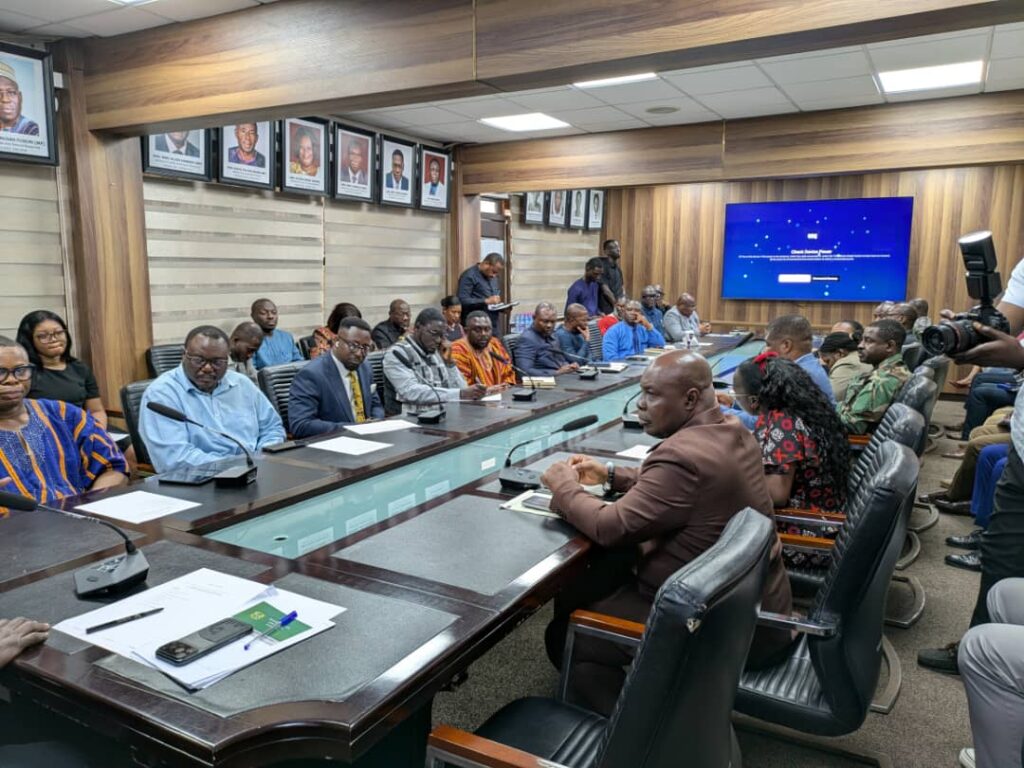
Mr Buah said the proposed reforms would reduce the maximum initial duration of large-scale mining leases from 30 years to 20 years.
The Ministry also plans to introduce stricter requirements for holders of exploration and prospecting licences to demonstrate meaningful activity within specified periods.
Mr Buah criticised situations in which companies retain mining concessions for extended periods without undertaking significant exploration or development.
Another proposal is the establishment of district mining committees to give communities a greater role in mining-related decisions.
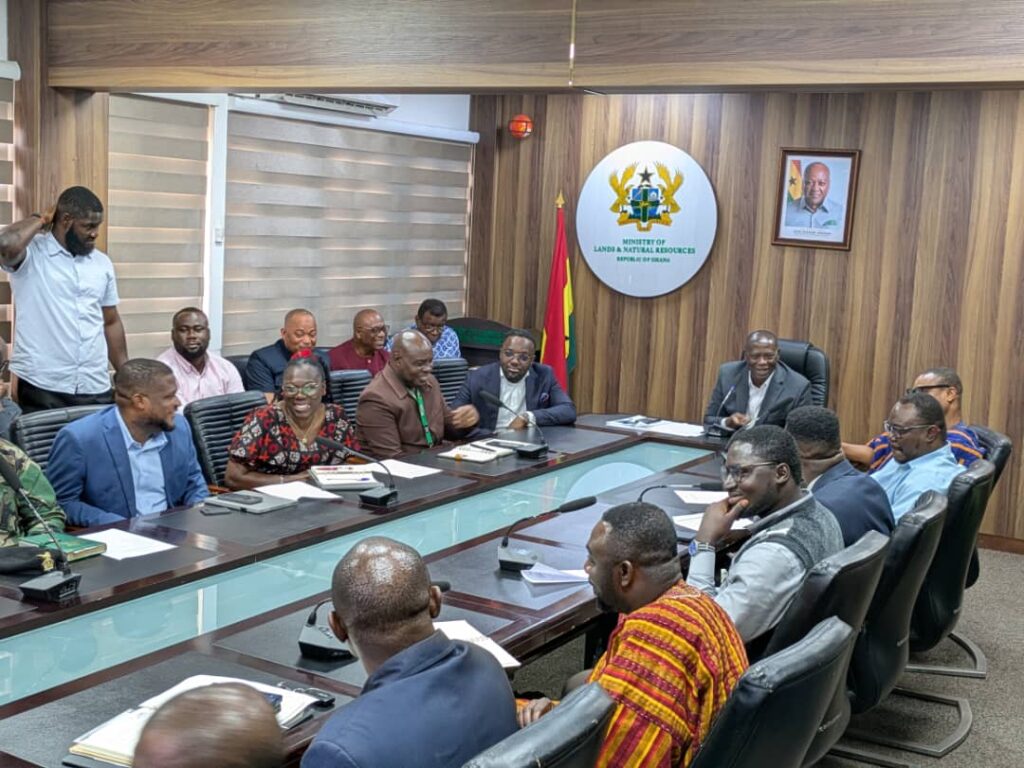
The committees would, among other things, consider the potential impact of proposed mining operations on water bodies, farms and settlements before licences are approved.
Mining companies would also be required to enter into community development agreements to define their responsibilities towards communities hosting mining operations.
The figures presented by the Lands Ministry highlight the scale of the government’s enforcement operations, but the prosecution of suspects remains a critical measure of their effectiveness.
With 258 arrests, hundreds of machines seized or immobilised and thousands of hectares of forest reserves affected, the ability of the state to successfully prosecute offenders could determine whether the current enforcement campaign produces a sustained deterrent against illegal mining.
Latest Stories
-
Total revenue & grants stood at GH¢144.5bn in July 2026, lower than targeted amount – BoG
9 minutes -
Ghana Sports Fund urges sports federations to submit credible proposals and measurable targets
13 minutes -
Musk says US government may be behind slowdown of Ukraine drone speeds
30 minutes -
Picking Chief Justices nearing retirement could give Mahama immense power – Bentil
40 minutes -
Netflix to shed 1,000 jobs in steepest cuts since 2022
1 hour -
Burnham had two hospitality dinners with Man City chairman, deleted records show
1 hour -
Semenyo ‘froze’ after alleged racist abuse, court told
1 hour -
‘Shameless’ – Mourinho critical of Vinicius Jr ban timing
2 hours -
Loyalty can outweigh competence in Chief Justice selection – Bentil
2 hours -
Man City suffer as PSG masterclass sets up Champions League win
2 hours -
Customer Service Africa CEO urges business leaders to observe staff and customer interactions
2 hours -
On night of mayhem for Liverpool, Barcola arrives in style
2 hours -
Muzic Mensah finds healing and renewed love in new single ‘WayƐ Late’
2 hours -
FIFA to offer extra £2.6bn for football development
2 hours -
Government backing is no EPA permit – Authority warns GoldBod, ministries
3 hours