

Audio By Carbonatix
The Perfector of Sentiments (POS) Foundation has raised concerns over student cohabitation and sexual harassment in some of Ghana’s public universities, warning that the practices could undermine efforts to create safe learning environments.
The human rights organisation says cohabitation among students can contribute to domestic conflicts and, in some cases, escalate into physical or sexual abuse.
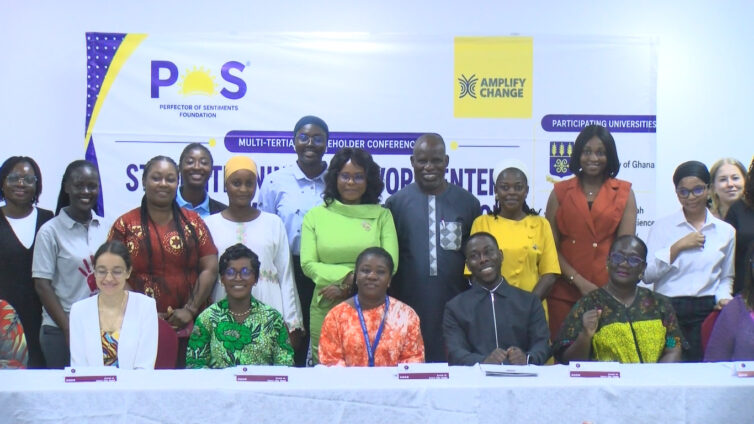
Founder of the POS Foundation, Jonathan Osei Owusu, disclosed this at a conference in Accra where the organisation presented findings from its Safe Campus and Sexual Harassment Prevention Project.
The study covered five public universities — the University of Ghana, University of Education, Winneba, University of Cape Coast, Kwame Nkrumah University of Science and Technology (KNUST), and the University for Development Studies (UDS).
Mr Osei Owusu said cohabitation was particularly prevalent at the University of Education, Winneba and the University of Cape Coast, although the study also identified sexual harassment concerns at other institutions.
“When we went to the schools, we realised there is cohabitation. You give your children money to go to school to rent, and then they cohabit with their boyfriends…”
He explained that such arrangements could create tensions between students living together, with disagreements potentially escalating into abusive situations.
The Foundation's concerns come amid broader efforts to address sexual and gender-based violence in Ghana and improve safety on university campuses.
Low awareness of sexual harassment policies
The POS Foundation also found that although all five universities have policies addressing sexual harassment, fewer than 30% of students surveyed had read them.
The organisation believes the low level of awareness could limit the effectiveness of the policies and prevent students from properly understanding their rights and the channels available for reporting abuse.
It is therefore calling on university authorities to intensify education on sexual harassment policies and ensure that the policies are effectively enforced.
Gender specialist and field consultant for the project, Mercy Catherine Adjabeng, said the normalisation of sexual harassment in society remained a major obstacle to addressing the problem.
She said victims were often discouraged from speaking out because incidents of harassment were downplayed or treated as normal behaviour.
Ms Adjabeng stressed that consent must be central to discussions around sexual harassment.
“If the individual has not consented to anything, it is wrong,” she said.
Sexual harassment remains a concern
The POS Foundation cited data from the National Development Planning Commission's 2023 report showing that 131 cases of sexual harassment were reported to the Domestic Violence and Victim Support Unit (DOVVSU) of the Ghana Police Service between 2016 and 2021.
The Foundation says the figures, together with its findings from the five universities, highlight the need for stronger preventive measures and sustained education among students.
It wants university authorities to ensure that students are familiar with existing sexual harassment policies and can access effective reporting and support mechanisms.
The Foundation said students should be able to pursue their education in environments free from harassment, abuse and intimidation.
It further stressed that addressing sexual harassment requires not only policies but also effective implementation, awareness and a culture that encourages victims to report incidents without fear of stigma or retaliation.
Latest Stories
-
Man City suffer as PSG masterclass sets up Champions League win
50 minutes -
Customer Service Africa CEO urges business leaders to observe staff and customer interactions
60 minutes -
On night of mayhem for Liverpool, Barcola arrives in style
1 hour -
Muzic Mensah finds healing and renewed love in new single ‘WayƐ Late’
1 hour -
FIFA to offer extra £2.6bn for football development
1 hour -
Government backing is no EPA permit – Authority warns GoldBod, ministries
1 hour -
Real Madrid produce stunning late fightback to down Roma
2 hours -
EPA orders immediate halt to unpermitted reclamation and dredging nationwide
2 hours -
Afenyo-Markin’s lawsuit against Sammy Gyamfi takes focus away from development – Kpebu
2 hours -
FWSC urges media to guard against misinformation in proposed IPEC transition
2 hours -
MoMo Fest 2026: Shatta Wale to Rock Accra Stadium on October 17
2 hours -
GTEC’s letter directing public universities to reopen by October 16 is unprofessional – GAUA
2 hours -
Suspect in viral video assaulting wife jailed for 3 months
2 hours -
GAUA insists strike will end only after Fair Wages addresses market premium issue
2 hours -
Kpemka seeks compensation as he sues BOST over alleged unlawful termination
2 hours