

Audio By Carbonatix
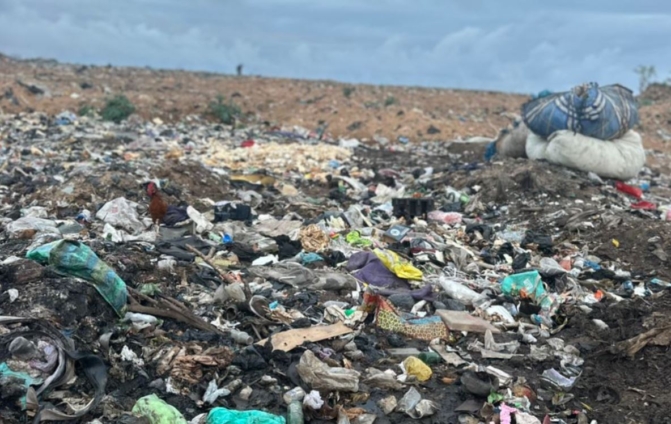
Accra’s waste problem is often described as a sanitation issue. In reality, it is an economic system hiding in plain sight. Every rainy season, plastic sachets choke drains and the city floods within minutes. Market centres pile waste beside stalls because the alternative is burning. Yet the same plastics, metals, and organics that clog the city are valuable materials in countries that treat waste as industrial feedstock and climate infrastructure rather than a nuisance.
WasteGrid Africa, a young Ghanaian company, is attempting to close this gap. It treats waste not only as a public service, but as a circular economy market with the potential to create green jobs, reduce climate risk, and attract investment. The company believes that Ghana cannot build a circular economy without digitising the waste sector, making data available, and giving informal workers a pathway into the formal economy. Without data, verification, traceability, or payments, circularity remains an environmental aspiration rather than an economic engine.
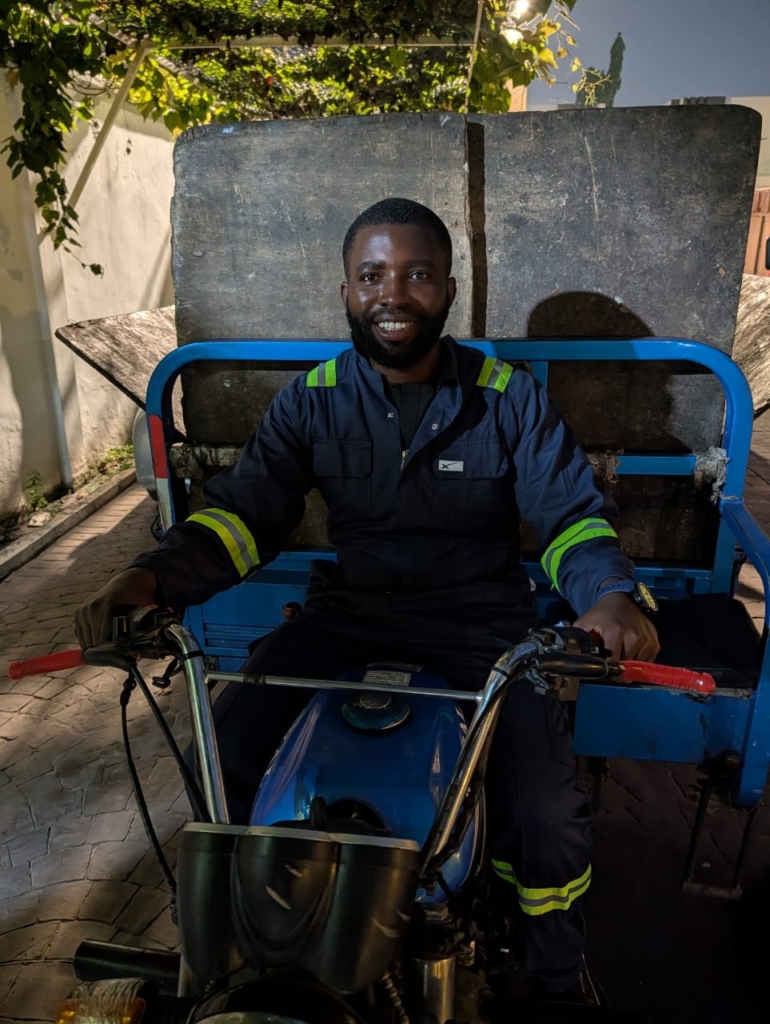
Ghana’s waste sector is dominated by the informal economy. Collectors, tricycle operators, aggregators, and recyclers move extraordinary volumes every week, yet with no visibility, no reliable pricing, and almost no leverage. WasteGrid is introducing technology to formalise this ecosystem through software, route optimisation, payments, and material tracking. Once materials are weighed and verified, workers can be paid accurately. Once payments are digital, the market becomes visible to manufacturers and recyclers. And once the market becomes visible, investors and policymakers take an interest.
Timing matters. Circularity is no longer a buzzword reserved for environmental conferences. It sits at the centre of climate adaptation and climate finance. Waste-related methane emissions from dumpsites are now counted in national climate inventories. Plastic waste in drains translates directly into urban flooding and economic disruption. Extended Producer Responsibility frameworks, ESG procurement standards, and carbon credit markets are pushing companies and governments to measure what previously went unmeasured. Waste sits at the intersection of adaptation, mitigation, and industrial competitiveness.
The investment case is becoming hard to ignore. Across Asia and Latin America, climate funds and blended finance vehicles have backed waste platforms as a way to decarbonise cities while generating returns from recovered materials and verified climate benefits. Once emissions and diversion metrics can be verified, waste becomes eligible for carbon revenue, ESG budgets, and compliance credits for packaging. Ghana is entering the same conversation. Urbanisation is accelerating, consumption of packaged goods is rising, and the country’s own climate commitments will require more than solar installations and policy statements at COP.

There is also a labour story that Ghana understands intuitively. Formalisation in this country has often meant exclusion. WasteGrid is attempting a different model. With technology, informal workers gain digital identity, predictable incomes, safety standards, and mobile payments. They become recognised contributors to climate adaptation, urban resilience, and material recovery. For a nation where informal work remains the backbone of employment, this approach feels more realistic than chasing European-style regulatory enforcement.
WasteGrid is still early, but its thesis reflects where the continent is heading. The next decade in Africa will be shaped by how cities manage climate risk, how industries secure feedstock, and how governments align environmental ambition with actual infrastructure. The relevant question for Accra is not whether the city must adapt, but how it intends to manage the materials it generates, and who will capture the economic and climate value embedded within them.
If Accra can formalise the informal through technology rather than regulation alone, a distinctly African circular model may emerge: distributed, data-enabled, investable, and grounded in the realities of cheap sachets, tricycles, mobile money, and urban density. It will not look like Europe’s compliance-driven system or Asia’s industrial export model. It will look like a city that finally recognises waste as an input rather than an afterthought.
Latest Stories
-
President Mahama is not sincere with Ghanaians on LGBTQ bill matter – Hassan Tampuli
12 minutes -
Gov’t to establish Prison Industrial Hub to equip inmates with income-generating skills – Prison Service boss
30 minutes -
Alhassan Tampuli donates cement, roofing sheets to support storm victims in Gushegu
31 minutes -
Alhassan Tampuli appeals for urgent support for storm victims in Gushegu
34 minutes -
The hypocrisy must stop; pass Anti-LGBTQ+ Bill now – Alhassan Tampuli to Mahama
38 minutes -
Imprisonment should be rehabilitative, not punitive – Ghana Prisons boss at UNGA
59 minutes -
Ga Adangbe traditional priests petition Mahama over McDan aviation licence revocation
1 hour -
Anti-LGBTQ Bill: NDC’s arrogance is worrying – Hassan Tampuli
1 hour -
Let’s give OSP time to mature, not to scrap it – Hassan Tampuli
1 hour -
Nigeria convicts 386 Islamist militants in mass trials
1 hour -
Djibouti president wins election with 97.8% of vote, state media says
2 hours -
We don’t have mandate to deduct tax from rent allowance of security services personnel – Interior Ministry clarifies
2 hours -
Ablakwa receives Presidential Special Envoy on Reparations to advance global agenda
2 hours -
Christina Koch becomes first woman to travel around the moon on Artemis II
2 hours -
Epstein survivors’ calls to meet King Charles and Queen harder to ignore as US visit approaches
2 hours