

Audio By Carbonatix
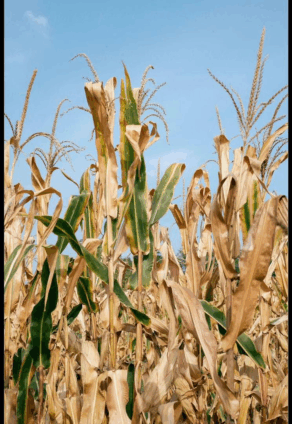
In northern Ghana, climate change has altered rainfall patterns and disrupted traditional farming systems. Faced with prolonged dry seasons, declining crop yields, and growing uncertainty, many families are making deliberate decisions to migrate in search of stability.
Increasingly, migration has become a planned adaptation strategy—one that allows households to diversify livelihoods while maintaining strong ties to their ancestral homes.
From Adaptation to Reinvention
For many rural households, farmlands represent more than a source of livelihood. They embody kinship, ancestry, and the transmission of history and heritage. However, unpredictable climate conditions have deeply disrupted this rhythm, pushing families to seek opportunities beyond their farms.
In cities such as Accra and Kumasi, migrants demonstrate that leaving home does not mean forgetting it. Fura, Tuo Zaafi, Tubaani, and waakye appear in bustling markets; elders still speak Dagbani at home; dances once reserved for harvest festivals now animate weddings and churchyards.What emerges is not cultural loss, but cultural reinvention.
Blending Old and New
A smock paired with jeans. A child scolded in Dagaati, responding in English or another local language. Children grow up fluent in both worlds. This is not erasure, but cultural hybridity—traditions bending like bamboo, flexible yet unbroken.
Migrants do not merely blend into city life; they reshape it, planting familiar customs along unfamiliar streets. Culture remains restless, adaptive, and alive.
Culture as a Source of Stability
For many families, sustaining cultural practices in new environments provides emotional and social stability. Elders pass on songs, stories, and crafts to younger generations, ensuring continuity despite geographic change. Informal community groups organize cultural activities that reinforce belonging and collective memory.
These practices help families navigate the uncertainty that often accompanies climate adaptation. While livelihoods may change, cultural continuity offers a sense of grounding.
Lead Strategic Initiatives for African Governance (SAGE), Dr Shelta Gatsey, explains that migration has existed since the dawn of time, but in recent years has been heavily influenced by climate change. She notes that while some argue climate-induced migration leads to cultural loss or disruption within host communities, this narrative is being re-examined—this time with greater attention to its positive dimensions.

The Policy Gap
Despite these realities, discussions around climate migration often focus narrowly on economic outcomes such as employment, housing, and pressure on urban infrastructure. Cultural adaptation rarely features in policy conversations, even though it plays a critical role in social cohesion and well-being.
Yet, in Accra’s neighborhoods, migrants remind us that resilience is also cultural. When policies overlook these practices, they miss the glue that binds communities together.
A 2018 study by Caglar and Schiller found that cities that welcome cultural expression—through community initiatives, inclusive urban spaces, and intercultural dialogue—do more than absorb migration; they grow richer, weaving migrants and host communities into a shared fabric of belonging.
By supporting community-led initiatives, integrating cultural expression into urban planning, and encouraging intercultural dialogue, cities can embrace migration in ways that strengthen resilience and benefit both newcomers and long-standing residents.
Dr Gatsey adds that migrants inevitably transfer their culture to host communities, citing Tuo Zaafi as an example of a northern dish that has become widely accepted across Greater Accra due to migration.
She notes that because the positive impacts are rarely highlighted, public discourse often emphasizes only the strain on social amenities. She hopes climate-related migration will increasingly be viewed through the lens of cultural renewal.
A Story of Renewal
In conclusion, as climate pressures continue to affect rural livelihoods, migration has become an essential adaptation strategy. Across Ghana’s towns and cities, these movements show that leaving home is not solely about survival—it can also inspire cultural renewal.
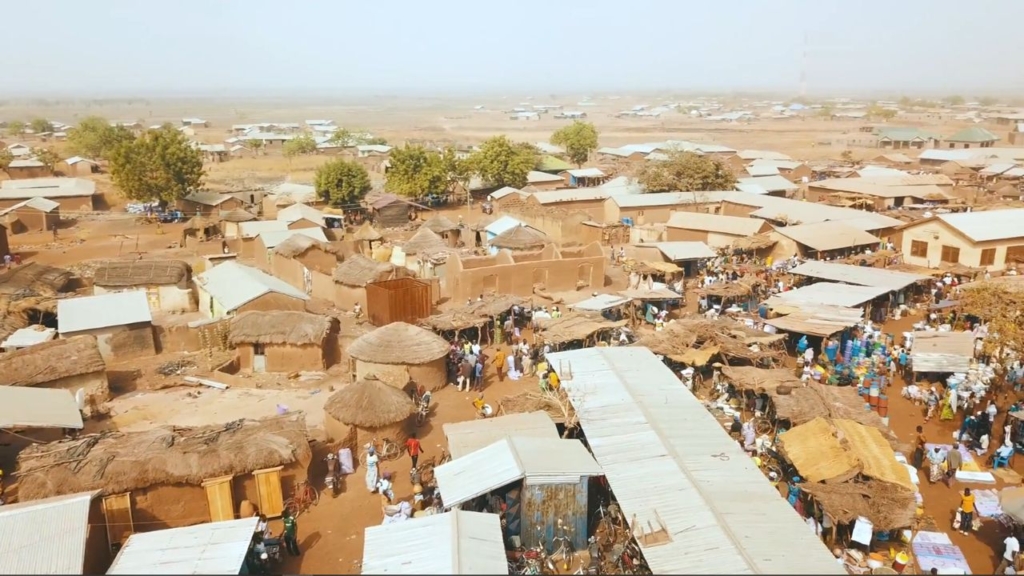
Families choose what to carry with them: recipes, songs, languages, and rituals. In new neighborhoods, these traditions are rerouted, reshaped, and sustained, ensuring culture remains visible and relevant even as the climate shifts.
This suggests that migration, when approached with agency and intention, can serve not only as a pathway to economic survival but also as a powerful force for cultural renewal.
This story is in partnership with JOYNEWS-CDKN and the University of Ghana C3SS with funding from CLARE R4I Opportunities Fund.
Latest Stories
-
Global economy’s resilience nearing limits – IMF
6 minutes -
Trust-building is crucial for sustaining confidence with communities – Police Commander
12 minutes -
Government to redevelop Aboabo Market in Tamale – Mahama Ayariga
18 minutes -
We haven’t handed over our forex role to Goldbod – BoG Governor Asiama
21 minutes -
AG urges Legal Aid Commission to expand services to districts
23 minutes -
Ghana calls for stronger African cooperation to tackle maritime threats
28 minutes -
‘Trust but verify’ – MTN Ghana urges SMEs to guard against cyber fraud
30 minutes -
Let us all be mentors to our younger generation – Mahama
35 minutes -
Assemblies of God Congress: Mahama urges churches to promote compassion, integrity
41 minutes -
North Korea and China open new bridge after 12-year delay
51 minutes -
Anthropic flags revenue surge to investors ahead of stock market debut
60 minutes -
Norway’s wealth fund set to overhaul ethical rules after US scrutiny
1 hour -
‘There can be no mistake, regardless of who is picked’ – Bentil on CJ contenders
1 hour -
Ghana needs a Chief Justice who inspires public confidence – Bentil
2 hours -
Government to introduce integrated basic education model schools from 2027 – Haruna Iddrisu
2 hours