

Audio By Carbonatix
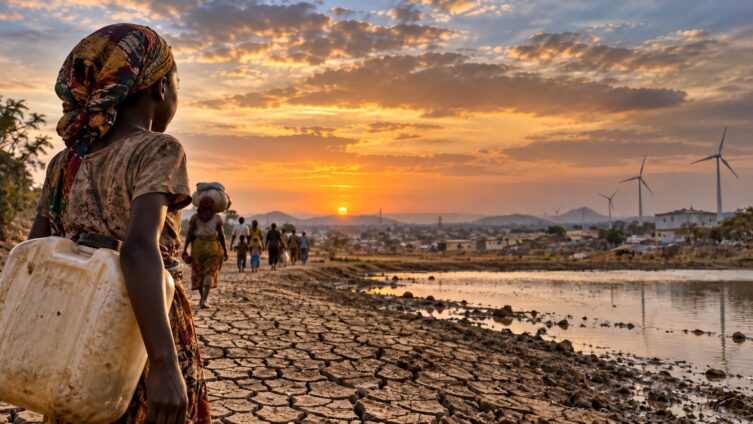
Climate change is often described as an environmental challenge. But for communities facing drought, floods, declining harvests or water shortages, its consequences are immediate. They affect livelihoods, food prices, migration and community stability.
Climate change does not automatically cause conflict. However, where tensions already exist, pressure on land, water and food can make them harder to manage.
That poses a challenge for peacebuilding.
For decades, conflict prevention has focused on diplomacy, political negotiations and security institutions. These tools remain essential. Yet lasting stability also depends on how societies manage the resources people rely on every day.
Water is a clear example.
Rivers, lakes and underground water systems cross national borders, while agriculture, industry and households depend on reliable supplies. Competition over water need not become a source of confrontation. With effective agreements, shared resources can encourage countries to cooperate.
Food security presents another challenge. Extreme weather can disrupt agricultural production, affect household incomes and drive up food prices. Communities with limited resources have fewer options when such shocks occur.
Displacement can add another layer of pressure. When people leave their homes due to environmental or economic difficulties, the communities receiving them may face additional demands on housing, employment and public services.
But the climate-security relationship is not only about risk. It can also create opportunities for cooperation.
Governments can collaborate on water management, climate-resilient agriculture, renewable energy and infrastructure. Such initiatives can protect livelihoods while creating incentives for cross-border cooperation.
Peacebuilding therefore needs to become more preventive. Governments and international organisations need to identify vulnerabilities before they escalate into crises, while local communities should have a role in decisions affecting their resources.
The private sector can contribute by investing in resilient infrastructure, clean energy and sustainable agriculture.
The challenge is finding ways to address environmental pressures before they escalate into deeper social and security problems.
The lesson is clear: security cannot be separated from the conditions of people's lives.
Building peace in the years ahead will require more than negotiating ceasefires. It will also require addressing the environmental and economic pressures that can leave communities vulnerable.
Climate action and peacebuilding are part of the same conversation.
Latest Stories
-
Global health must be led by countries, not designed for them – Mintah Akandoh
41 minutes -
Mahama honoured at 2026 World Health Summit in Berlin for global health leadership
50 minutes -
Breast cancer is not a death sentence – Besease Kontire Obaapanin, Magmina Foundation lead awareness campaign
52 minutes -
EcoBank invests in digital education of 4 Garisson School to mark 40 years in Africa
1 hour -
AGI urges investment in skills and raw materials to strengthen local manufacturing
1 hour -
GPL 2026/27: ‘We have to rectify our mistakes’ – Boadu reacts to Aduana FC defeat
1 hour -
No disability access, no building permit – KMA declares
1 hour -
Asantehene to lead environmental restoration effort at Jimi Land Reclamation Site
2 hours -
Poor Ghanaians are being jailed because they cannot afford justice – Crime Check Foundation
2 hours -
No conflict in appointing Emelia Agbenyo as Deputy EC Chair – NDC
2 hours -
87-year-old man jailed 20 years for defiling 9-year-old girl at Ofankor
2 hours -
Sankofa Gold targets 70kg output after 9-month shutdown
2 hours -
Tamale, Bolgatanga had just one Legal Aid lawyer between them – Kwesimintsim MP
2 hours -
PAC orders eviction of former irrigation company MD from official residence
2 hours -
Legal Aid Commission has offices in only 45 of Ghana’s 261 districts, needs 180 more staff
2 hours