

Audio By Carbonatix
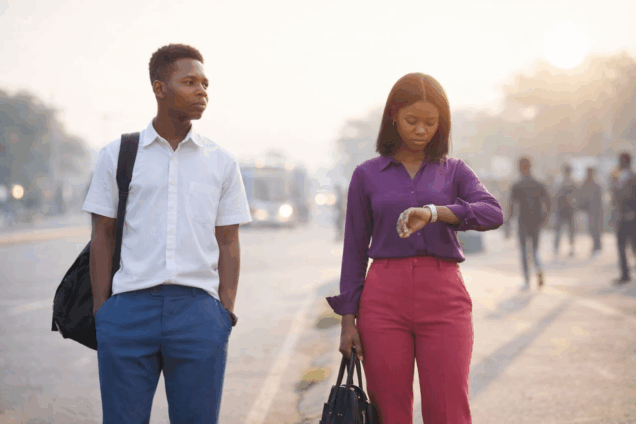
Before sunrise, the city exhales. A trotro mate shouts destinations into the half-light. A kettle boils in a cramped kitchen. Somewhere, an alarm rings and is ignored—not out of laziness, but exhaustion.
In that quiet space between sleep and survival, many young Ghanaians prepare themselves for another day of adulthood.
Adulting is often described as a universal milestone: get a job, pay your bills, live independently. But in Ghana, adulthood does not arrive gently. It arrives with rent deadlines, transport fare increases, and the unspoken question: How are you coping? The answer, more often than not, is simply “we are managing.”
For many young people, adulthood begins with promise. Years of schooling, graduation gowns, proud family photos, and hopeful speeches about the future. Then comes national service, followed by waiting for jobs that never respond, interviews that lead nowhere, and opportunities that demand experience no one gave you the chance to acquire.
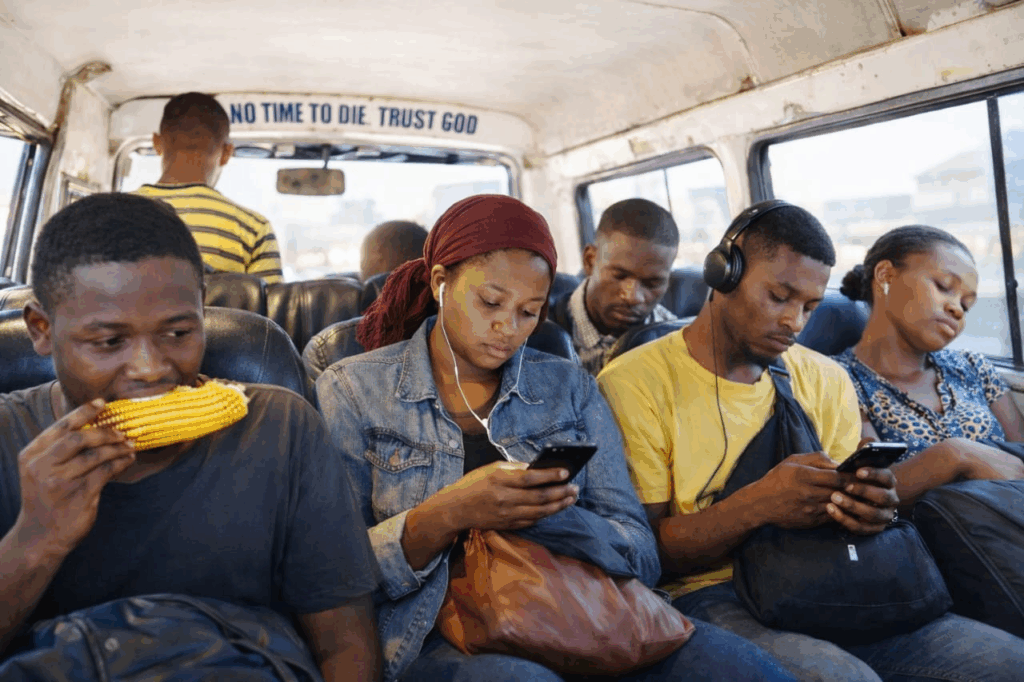
When employment does come, it rarely comes with comfort. Entry-level salaries struggle to keep pace with rising living costs. Transport alone consumes a large chunk of income, leaving little for rent, savings, or rest. Financial independence becomes less about freedom and more about survival. This reality underscores the urgent need for more entry-level employment opportunities and regularly reviewed wages that reflect the cost of living.
Yet adulthood in Ghana is not only economic; it is cultural. Young adults are expected to support nuclear and extended families, contribute to social obligations, and still be visibly “successful.” There is little room to admit exhaustion. Living with parents longer than planned is often a necessity, not a choice, driven largely by high rent advances that delay independence. Enforcing rent regulations and expanding affordable housing options would ease this burden significantly.
Social media complicates matters further. Timelines celebrate milestones without showing the debt behind them. Struggle is hidden; success is curated. In response, young Ghanaians turn to humour and hustle.
Side businesses thrive online. Skills are self-taught. “Adulthood na scam” becomes a joke—not because life is funny, but because laughter makes the weight lighter. Supporting these hustles through easier business registration and access to affordable credit could turn survival efforts into sustainable livelihoods.

Beyond finances, adulthood now comes with emotional fatigue. Burnout is no longer rare, even among the young. Yet mental health services remain underfunded and inaccessible. Integrating mental health support into primary healthcare and workplaces is no longer optional—it is essential.
The truth is, if adulthood feels harder in Ghana today, it is not because young people lack ambition. It is because they are navigating life within systems that demand resilience without offering relief. National Service, for instance, could be better linked to long-term employment through improved placements and job-matching pathways.
Public transport reforms could reduce daily stress and living costs. Most importantly, young people must be included meaningfully in policymaking—not as afterthoughts, but as partners.
Adulthood should not feel like a constant endurance test. It should allow room for growth, rest, and failure without shame. Until then, Ghana’s young adults will continue to wake before sunrise, kettle boiling, alarms buzzing, stepping into another day with quiet determination.
Not because adulthood is easy.
But because giving up is not an option.
Latest Stories
-
Brandon Asante and Coventry all but promoted to Premier League despite Sheffield Wednesday draw
12 seconds -
GPL 2025/26: Late Kwartemaa strike downs Hearts in Tema
7 minutes -
Ghana Faces Sierra Leone Moment as Prosecutorial Powers come under strain
16 minutes -
Don’t consume fish or seafood from Tema Shipyard until further notice – FDA warns
21 minutes -
Why volunteering might be Africa’s most underrated career accelerator
28 minutes -
ActionAid Ghana raises concern over gender gaps in Feed Ghana Programme
30 minutes -
Windstorm wreaks havoc in Gushegu, displacing nearly 2,000 residents and damaging schools
32 minutes -
Friends of Bridget Bonnie Marks her 35th birthday with donation to Kasseh Model Health Centre
1 hour -
From Ekumfi Kokodo to the Pulpit Stage: Essi Donkor’s gospel journey takes shape
2 hours -
Landfilling waste management creates no value, it’s an economic waste
2 hours -
Photos: Speaker Bagbin Commissions MPs constituency office under parliamentary decentralisation programme
2 hours -
Black Stars technical advisor Winfried Schäfer sacked as GFA shakes up backroom staff
2 hours -
Wenchi water project almost complete, critical to gov’t agenda – GWL MD
2 hours -
Anti-LGBTQ+ bill not part of government’s legislative agenda – Inusah Fuseini
2 hours -
Anti-LGBTQ Bill: Forget the rumour mongers, I’m a man of action, and will pass the bill – Speaker
3 hours