

Audio By Carbonatix
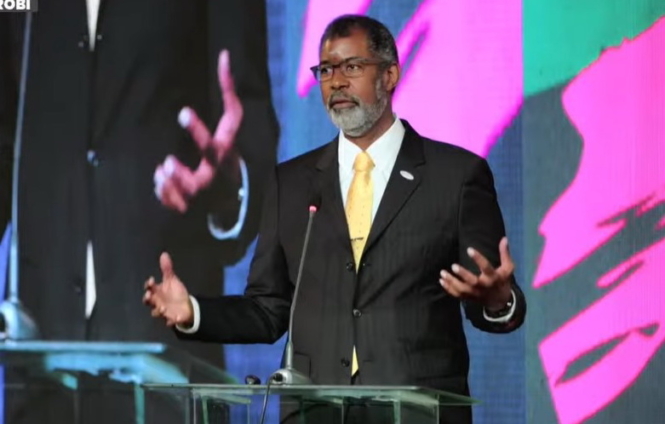
The Director-General of the Nuclear Energy Agency (NEA) of the of the Organisation for Economic Co-operation and Development (OECD), Mr. William D. Magwood, IV, has made an impassioned plea for Africa to fully embrace nuclear energy as a crucial component of its future development.
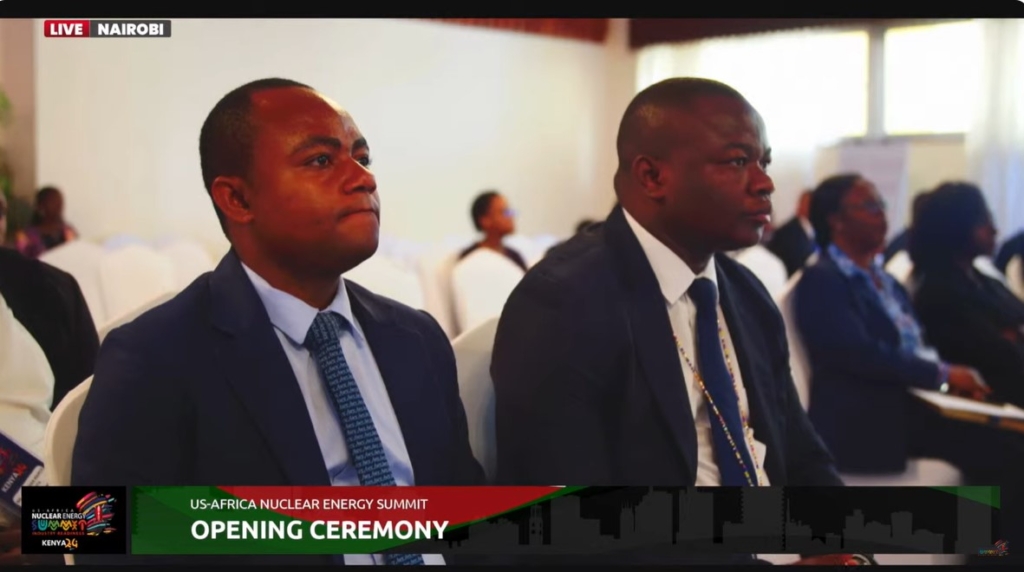
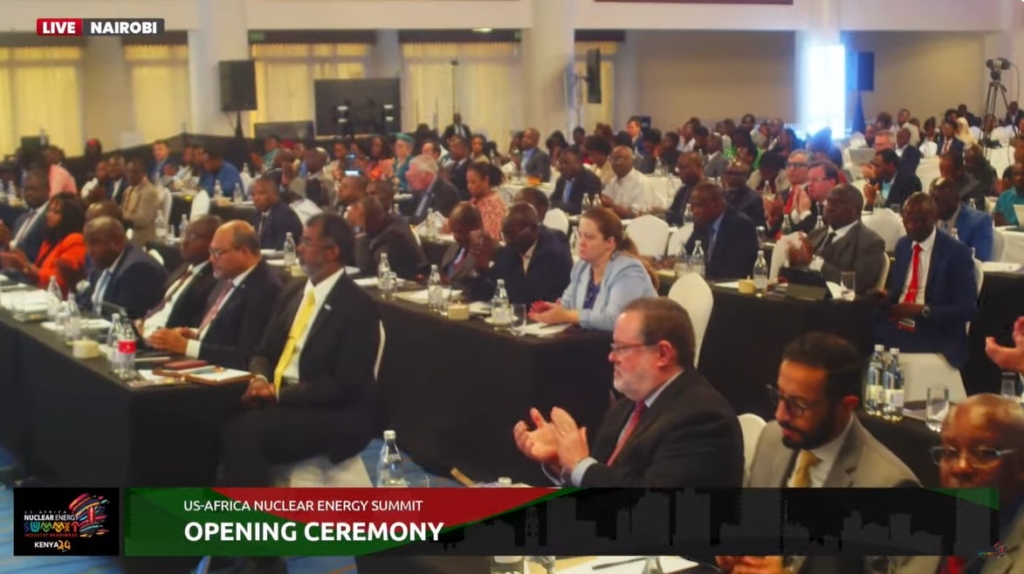
Speaking in Nairobi at the ongoing US-Africa Nuclear Energy Summit, Mr. Magwood highlighted the critical role of electricity and skilled people in shaping the future of economies, emphasising that Africa should not be left behind in the global nuclear revolution.
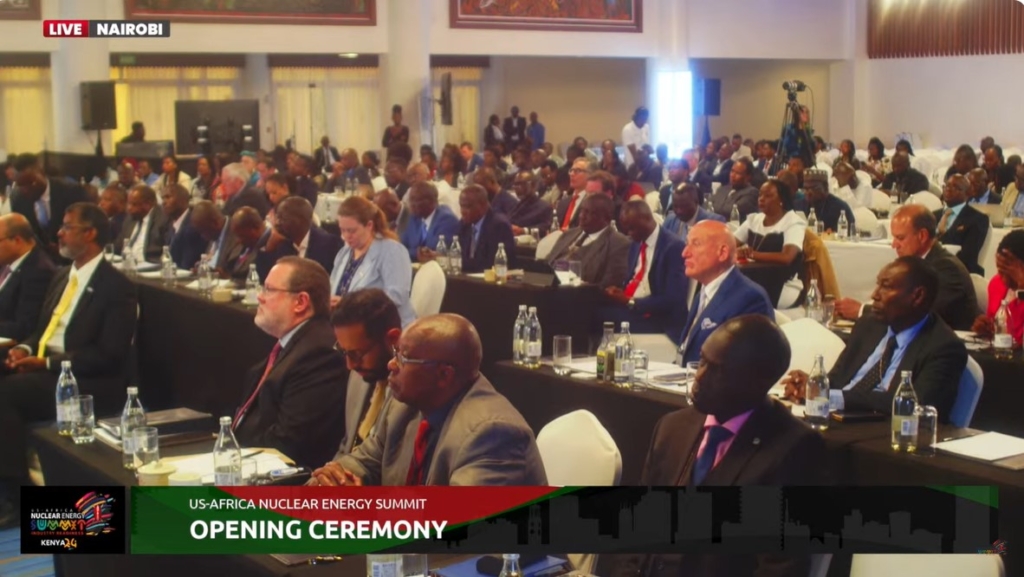
“The world has changed in a very, very substantial way,” Mr. Magwood said, emphasising that the future success or failure of economies, societies, and countries will depend on two key factors: people and electricity.
"If you don't have trained people, you will not be successful. If you don't have electricity, reliable, cost-effective electricity, your economies will not prosper," he counselled.
Mr. Magwood addressed the global climate crisis, acknowledging that many countries initially believed that simply increasing renewable energy sources would suffice.
However, as nations struggled to meet their climate goals, it became clear that nuclear energy would be essential.
“That’s why at COP 28, we saw 25 leaders come together and declare a need to triple nuclear capacity,” he noted, adding that this global shift towards nuclear energy was not surprising to the NEA.
He also tackled the often negative perceptions surrounding Africa’s readiness for nuclear energy, and recounted a conversation with a Kenyan woman who expressed doubts about Africa’s ability to manage nuclear power, citing corruption and instability.
"These are the perceptions, both outside Africa and inside Africa," he said, acknowledging the real challenges while also pushing back against the notion that they are insurmountable.
Drawing on historical examples, Mr. Magwood reminded the audience that the United States and South Korea, now leaders in nuclear energy, once faced similar doubts and challenges.
He questioned whether everybody that ran nuclear power plants when the United States started pursuing nuclear power were experts, pointing out that “They were not."
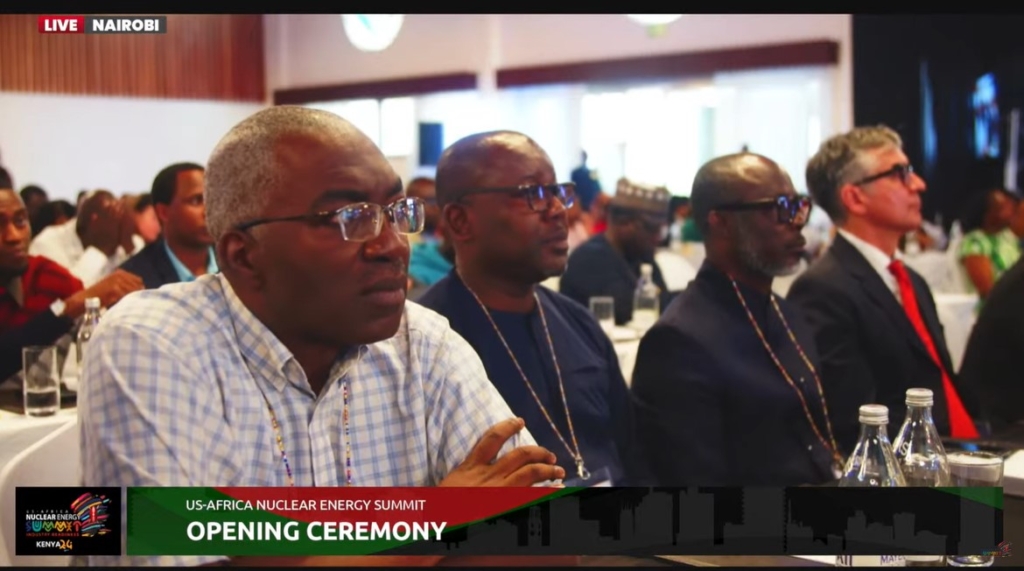
Mr. Magwood also highlighted South Korea’s transformation from one of the poorest countries to a global leader in nuclear technology within just a few decades, saying "When people tell you that Africa is in these terrible positions, that may be true today, but it's not necessarily true for the future," he asserted.
In what he christened "Our Common Journey," Mr. Magwood announced plans by the NEA to build cooperative frameworks within Africa, focusing on key areas such as expertise and knowledge at the ministerial level, stakeholder engagement, gender equality, and human capacity building.
He also emphasised that the NEA's goal is to foster cooperation among African nations, drawing parallels with successful collaborations among NEA member countries.
"We are here. We are not going to leave," Mr. Magwood declared, underscoring the NEA's commitment to Africa's nuclear future.
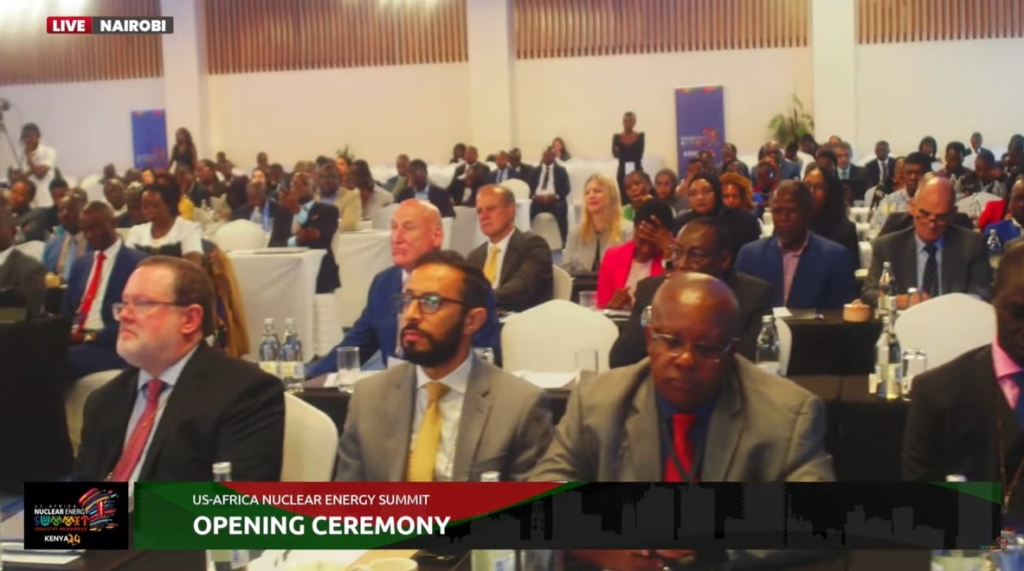
He expressed optimism about Africa's potential, highlighting the continent’s human resources as a significant asset. "People are an asset. You have people; use that asset, and we can help you with that."
The US-Africa Nuclear Energy Summit in Kenya is the second and it follows the maiden edition held in Accra, Ghana, by the US Department of Energy (DOE) in collaboration with the Nuclear Power Institute (NPI) of the Ghana Atomic Energy Commission.
It groups policymakers, technical experts, and industry leaders from the US and Africa who will aim address the critical issues facing the region in adopting nuclear energy power.
Ghana has reached two major agreements, including a corporation and framework agreement between Nuclear Power Ghana (NPG) and the China National Nuclear Corporation Overseas Limited for the construction of a large reactor project and upgrading Ghana’s grid infrastructure to accommodate additional power generation.
An MoU has also been signed between the Ghana Atomic Energy Commission (GAEC) and the US to establish a regional welding certification programme in Accra, as part of Ghana’s nuclear power efforts.
Latest Stories
-
Iran war lands ‘triple blow’ to flood-ravaged Sri Lankans
20 minutes -
Gunmen kill at least 11 people at Afghanistan picnic spot
34 minutes -
Woman, 25, in court for stealing baby at Bogoso
35 minutes -
Trump unveils giant gold-accented victory arch design for US capital
38 minutes -
We spoke to the man making viral Lego-style AI videos for Iran. Experts say it’s powerful propaganda
43 minutes -
Hungarians vote in big numbers on whether to end Orbán rule and elect rival
44 minutes -
At least 30 feared dead in crush at Haitian tourist site
44 minutes -
Boxing: Abdul Ahmed wins WBA Africa Cruiserwight title after dispatching Nigeria’s Eradeye
57 minutes -
Nearly 2,000 displaced, schools damaged as windstorm wreaks havoc in Gushegu
1 hour -
Ghana’s Derrick Kohn to work under Marie-Louise Eta as she becomes first woman to coach men’s Bundesliga team
1 hour -
Accra Open Championships conclude with strong performances ahead of African Championships
1 hour -
Ghana to begin camping with 12 athletes after Accra Open Championships – Bawa Fuseni
2 hours -
Anthony Joshua declines showdown with Tyson Fury but admits they ‘probably’ clash next
2 hours -
Tyson Fury dominates Makhmudov, calls out Joshua next
2 hours -
I have supported highway authority financially to fix roads in my constituency – A Plus
3 hours