

Audio By Carbonatix
In Ghana’s North East Region, the town of Wulugu is confronting the harsh realities of life within the Sahel ecological belt, erratic rainfall, land degradation, and deepening poverty. For years, women in the community have depended on charcoal production and fuelwood harvesting for survival. Today, a shift toward climate-resilient energy and solar-powered irrigation is offering a critical lifeline.
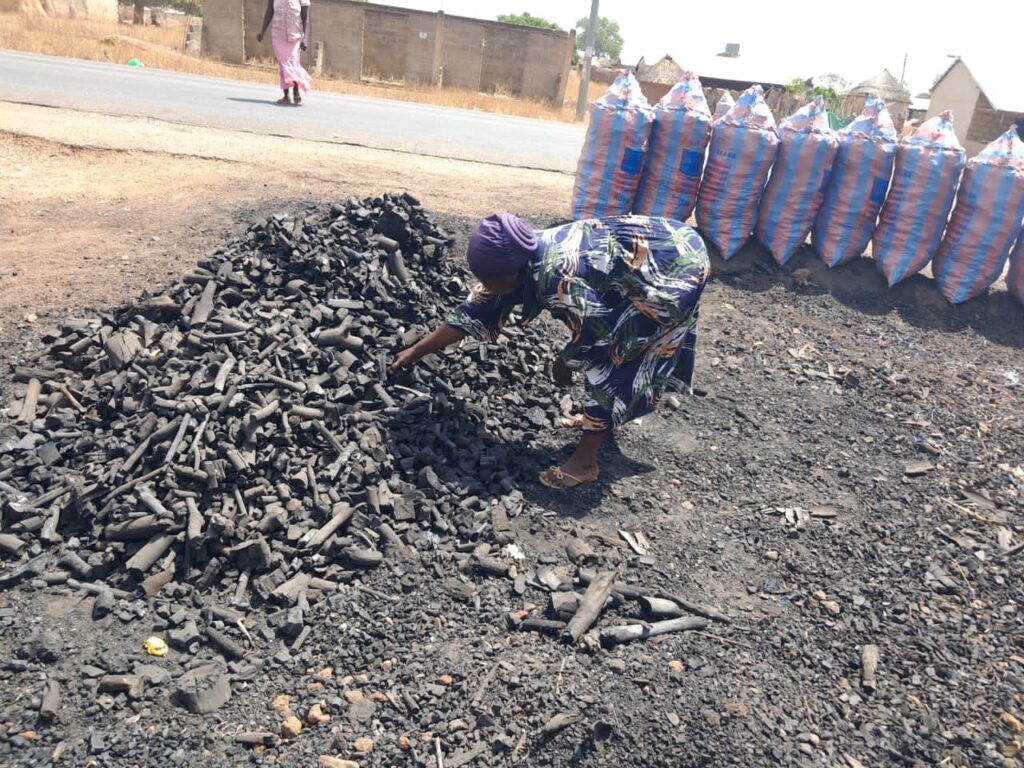
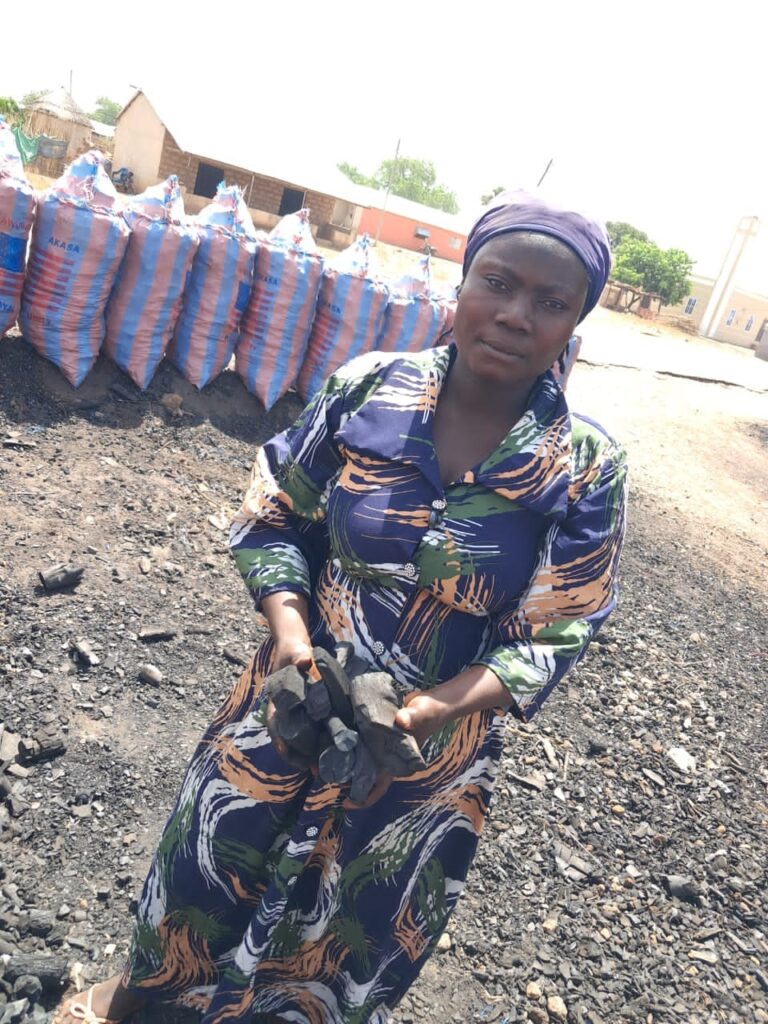
Wulugu, a key town within the Mamprugu Kingdom, lies at the heart of Ghana’s fragile savannah zone. Livelihoods here are almost entirely rain-fed, leaving households exposed during prolonged dry seasons. To cope, many—particularly women—have long turned to charcoal production and fuelwood harvesting, often targeting the economically vital shea tree. The practice, while sustaining incomes, has placed increasing strain on local biodiversity and long-term livelihoods.
Clean Energy Intervention Gains Ground
The Green Energy Solution Initiative is stepping in to disrupt this cycle. By introducing improved clean-cooking stoves in the West Mamprusi Municipality, the project seeks to reduce dependence on forest resources while improving household health and efficiency.
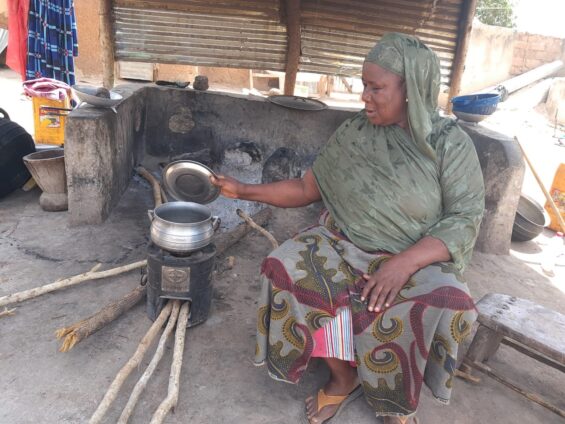
Mrs. Lukaya Salam, once reliant on traditional fuelwood stoves, says she has fully embraced the transition:
"Well, you can see for yourself [referring to news crew], less fuelwood [3 pieces of fuelwood] in the stove, no excessive smoke emissions and it's faster and more comfortable using it."
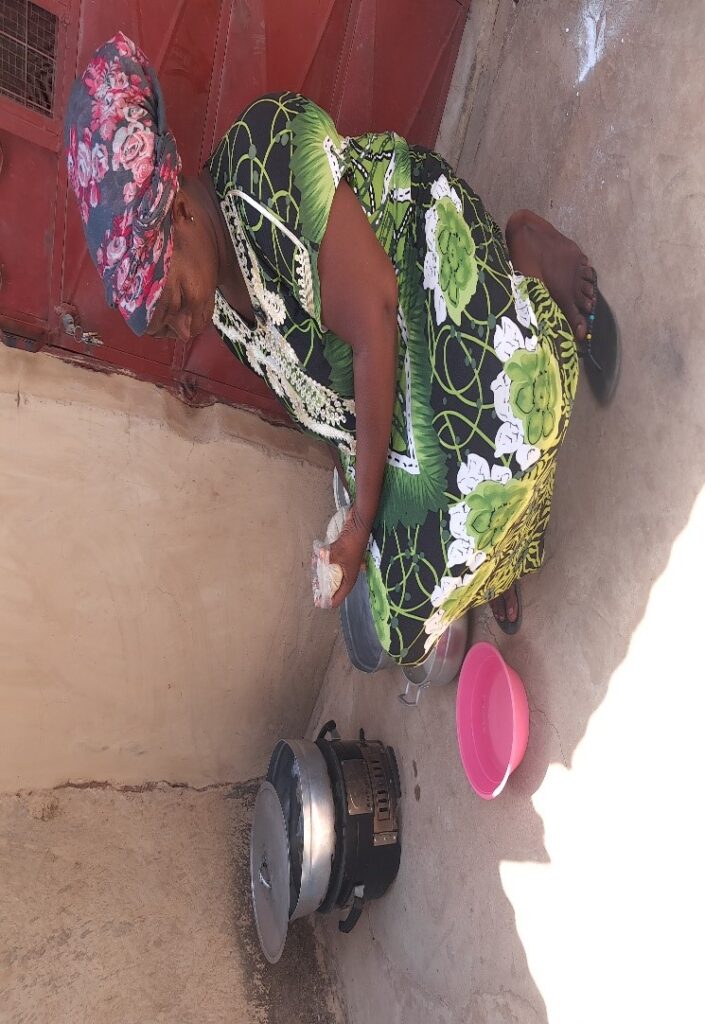
Similarly, Mary Afalek, who uses an improved charcoal stove, demonstrated its efficiency and praised the initiative, calling for its expansion beyond Wulugu.
Economic Tensions Emerge
Despite the benefits, the transition is not without disruption. For those entrenched in the charcoal value chain, the shift presents both opportunity and uncertainty.
Amina Salam, a charcoal retailer, acknowledges the benefits of the improved stoves but highlights their economic impact:
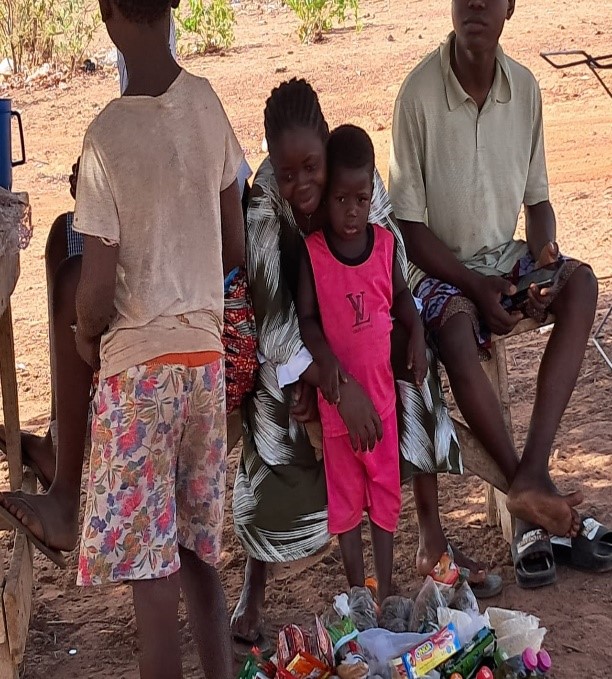
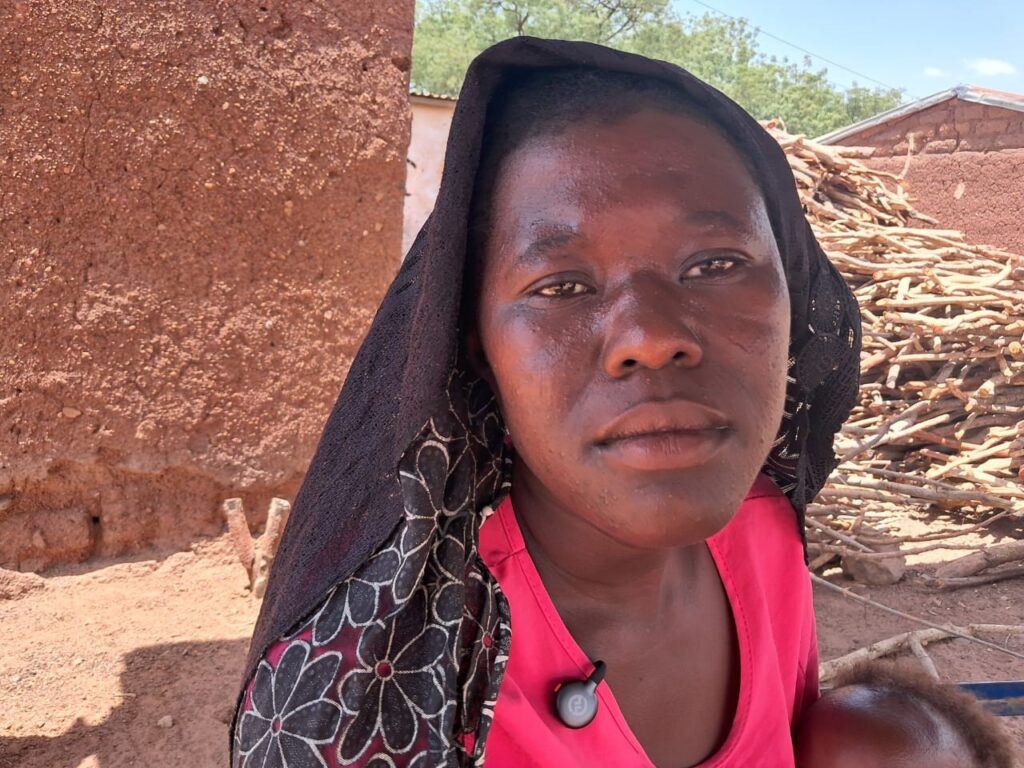
"I have the new stove and it is good and helpful. But my worry is, since its introduction into the community, the buying of charcoal has witnessed a sharp decline. Unlike previously where some buyers could buy between GHC30 and 20, and use it for two weeks or shorter and return, they now buy less like GHC10 or 5 and it can take them two weeks before they buy again because per my own experience with the improved stove, they don't consume more charcoal."
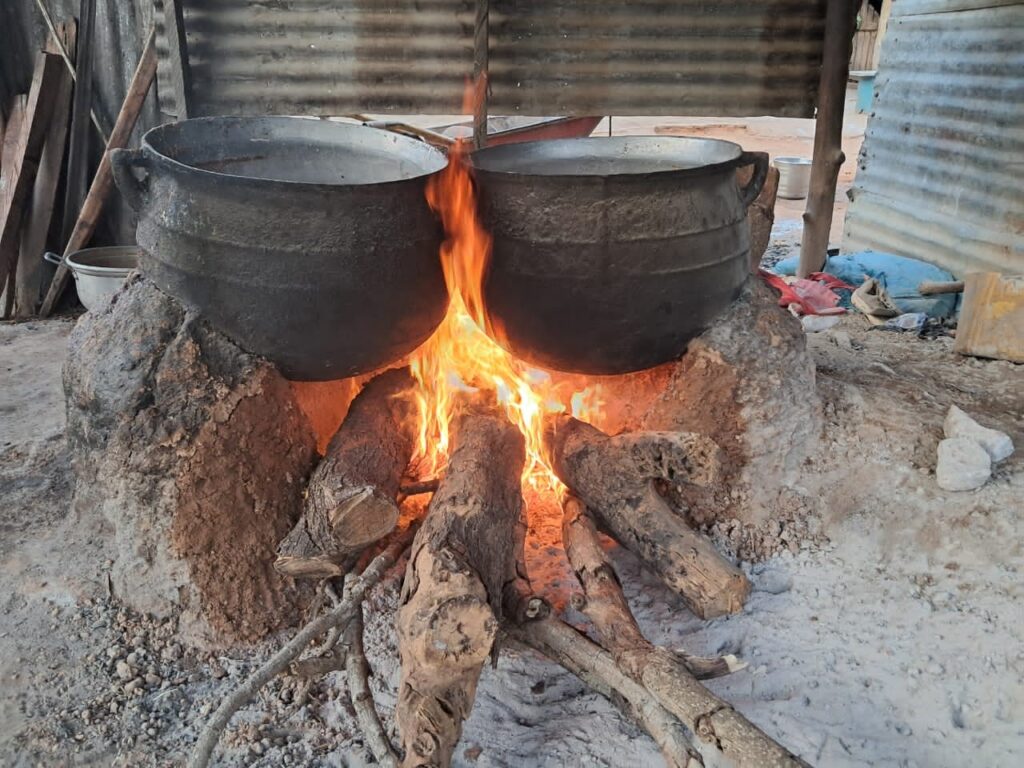
Her concern reflects a broader market shift—reduced consumption is good for the environment, but it is reshaping incomes.
Gaps in Adoption and Scale
Not all use cases are fully addressed. Florence Aburiya, a pito brewer, points to limitations in stove size:
"Yes, I have one of the improved stoves and it's very good but it is the small one. What I really know is that I can use it to brew pito and use bigger cooking pots because the heat from this huge traditional stove is too much. So, the people working on them should try to work on large ones."
Her appeal underscores the need for scalable solutions tailored to different economic activities.
A Broader Climate Strategy
Beyond clean cooking, the intervention is part of a wider climate adaptation strategy led by Youth Empowerment for Life (YEFL), an environmental civil society organisation.
Programme Coordinator Emmanuel Ndokwe explains that the approach integrates both environmental protection and livelihood support:

"Our outfit is dedicated to protecting this fragile vegetation. We partnered with the Faculty of Sustainable Development Studies at the University for Development Studies, UDS to conduct scoping studies on charcoal production and fuelwood harvesting in Wulugu and Buipe and the outcome led us to the introduction of the clean stoves. But beyond these climate-resilient stoves, we have introduced solar-powered irrigation facilities to ensure that livelihoods in the community are protected. They can farm all year-round, regardless of the rains."
A Pathway to Stability
The impact is already reshaping migration patterns. Baba Joyce, a returnee from Kumasi, sees the intervention as a turning point:
"My return is timely. Joining my husband in this solar-powered irrigation programme means we can finally provide for our household without leaving home. The risk and insecurities on the streets of Kumasi are very high and some of us go and are not able to return home."
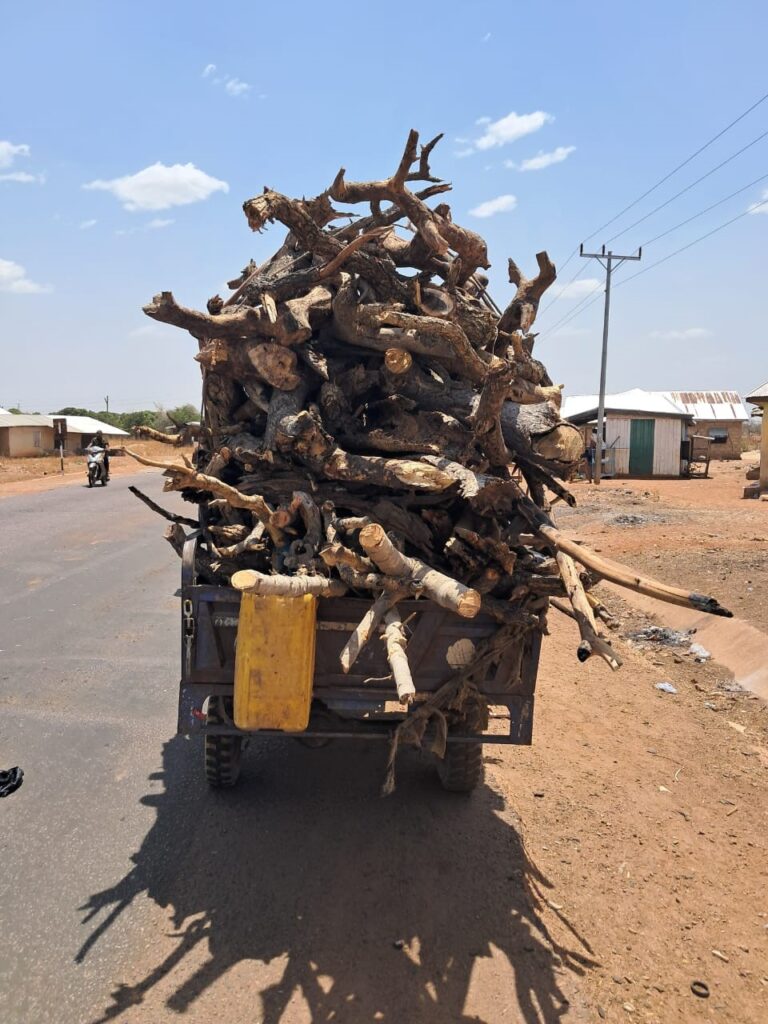
As Wulugu adapts to a changing climate, the shift from smoke-filled kitchens to cleaner energy solutions signals more than a technological upgrade—it represents a structural transition. One that balances environmental sustainability with economic survival.
The smoke may be clearing, but the real story is just beginning: a community redefining how it lives, works, and endures.
Latest Stories
-
La Beach demolition: Senyo Hosi condemns lack of consultation
8 minutes -
Russian glide bomb attack on Zaporizhzhia kills at least 15 people
23 minutes -
Jinapor warns underperforming energy sector CEOs of consequences, says no protection for failure
25 minutes -
Fire destroys head of tipper truck on Lower Volta Bridge
29 minutes -
Palmer signs new Chelsea contract until 2034
30 minutes -
World Cup visa scandal: Mahama will act on corruption allegations – Abass Nurudeen
32 minutes -
Abass Nurudeen accuses Minority of ‘scandal scavenging’ over World Cup visa controversy
34 minutes -
US Embassy recognised NSA, GFA and GTA as separate entities for visa applications – Sports Minister’s aide
40 minutes -
Only 30% of Ghanaian teachers satisfied with their jobs – CAPCOE data reveals
51 minutes -
Communities affected by construction of Akosombo Dam urge government to speed up compensation process
1 hour -
World Cup visa scandal: Sports Ministry not shielding anyone – Sports Minister’s special aide
2 hours -
World Cup visa scandal: Over 30 people misrepresented as GTA board members to US Embassy – Vincent Assafuah alleges
2 hours -
Fire destroys wooden structure near Yesu Mo Villa at Bush Road
2 hours -
NDC threatens sanctions over oversized campaign posters, gives aspirants 5 days to comply
2 hours -
Star Oil paid GH¢2.7bn in taxes, levies in nine months of 2026
3 hours