

Audio By Carbonatix
Supreme Court justice nominee, Yoni Kulendi has called for a comprehensive study to be conducted on how to reform legal education in the country.
The private legal practitioner told Parliament's Appointment Committee on Tuesday that while the provision of legal education needs to be reformed in the country, other factors must be considered.
Mr Kulendi said the growing appetite for studying law, increase in population sizes and other factors should also be considered in the decision making.
“We have a system that was designed 60 years ago that has not substantially been reengineered. It is bound to have problems. Populations have increased, democracy and the rule of law has come to stay, every legislator and every member of the executive must have a working knowledge of the law which means you need some level of legal education. Therefore the appetite for studying the law is inevitable, in addition to population, in addition to numbers,” he said.

He explained that when he was a law student at the University of Legon, competition which was rife was for the only law school in the country in those days.
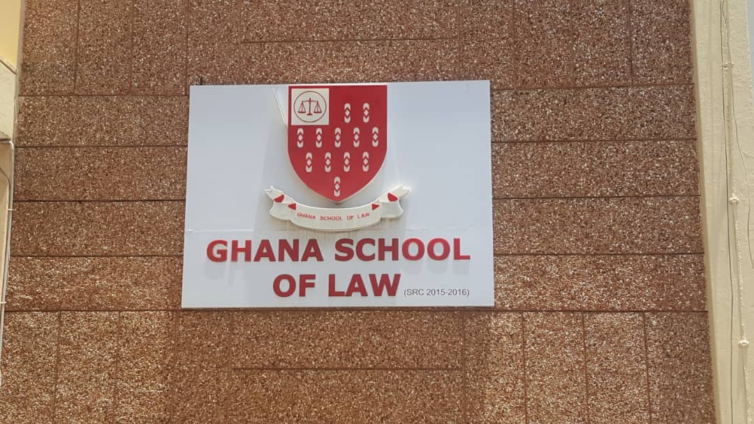
Now, however, as most universities have accreditation to teach law, every student competes in all the universities that offer law, competing for one law school, the Ghana School of Law which is also known as Makola, once they are done with their undergraduate.
“You don’t need a magician or a prophet to let you know that there will be a stampede at the door and that wherever there’s a stampede there will be casualties; that’s why we are having academic casualties in the journey,” he Kulendi stressed.
The nominee’s reactions come amid the controversial calls for reforms into the country’s legal education system after successive mass failures at the entry and exit points of the Ghana School of Law.
In 2019, for instance, only a paltry 128 out of 1,820 LLB holders who sat for the entrance exam into the Ghana School of Law passed.
This was after a series of mass failures at the bar and previous mass failures at the entry point.
“It’s creating a crisis,” Mr Kulendi.
“We need to do a comprehensive study of the problem, have a working group, let them make recommendations as to the type of reform we need to align the demand with the supply,” he added.
The reform “has to be fundamental but let’s do it in an informed structured and well taught trained manner and not in a quick fix to appease the crisis of the moment to end up a few years down the road with an unsustainable system.”
Latest Stories
-
Catholic Bishops say moral values must match economic priorities in Anti-LGBTQ+ debate
3 minutes -
IGP Yohuno urges merit and hard work ahead of Police Academy exams
16 minutes -
Queendalyn Yurglee releases debut album ‘Clouds of Glory’
49 minutes -
UDS moves to clear MPhil student wrongly linked to robbery case
1 hour -
Vodza Regatta 2026: Prof Audrey Gadzekpo rallies investors for coastal tourism growth
1 hour -
Introduction of 100 new Metro Mass buses won’t affect transport unions – GPRTU
1 hour -
Deputy Transport Minister backs Yellow Line traffic initiative
1 hour -
MTN Ashanti-Fest music concert set to hit Kumasi on Saturday
2 hours -
Authorities probe discovery of dead fish at Tema shipyard
2 hours -
Minority welcomes fuel tax cuts, demands accountability for GH¢1 levy
2 hours -
It remains a priority — Sam George on Anti-LGBTQ bill
2 hours -
Police arrest Nigerian national seen in viral videos wearing police uniforms
2 hours -
Free golf training empowers underprivileged girls in Accra
2 hours -
Why SIGA’s reset is not a market sin, but a national necessity
2 hours -
SIGA Directive: Beyond the theatre of institutional displacement
2 hours