

Audio By Carbonatix
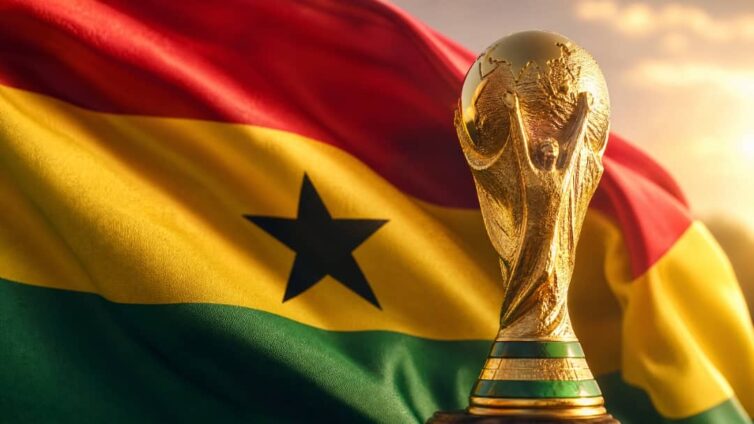
When the Black Stars qualify for a World Cup, something happens to Ghana that is almost impossible to put into words. Streets erupt. Horns blare. Flags appear on everything that moves. People who have never spoken to each other are suddenly hugging and arguing about formations in the same breath.
Even at times when many people seem nonchalant about the chances of the Black Stars, the interest gets aroused once the tournament fever gets ignited. There is something in the air that cuts across tribe, class, and every political divide we nurse the rest of the year.
I have lived through several of those moments. Every single time, I feel it too. But I have also watched us do something that quietly bothers me. We usually celebrate the qualification, we party hard, and then we almost completely miss the opportunity sitting right in front of us.
Because the World Cup was never just about football.
Billions of people watch the FIFA World Cup. Not millions. Billions. It is the most watched event in human history. For about a month, the eyes of the entire world land on a small group of countries, their players, their food, their music, and their stories. Most countries send a football team. The smart ones send a brand. This means about five billion people are going to watch the 2026 FIFA World from June 11 to July 19.
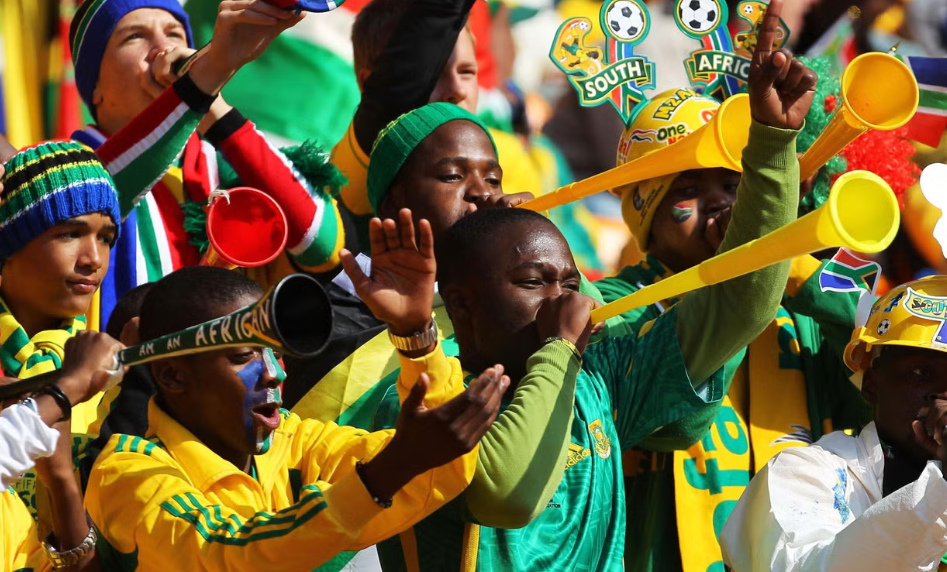
Qatar in 2022 used the tournament to introduce themselves to a world that had strong opinions but very little real knowledge of them. They walked away with a global profile and investment conversations that would have taken decades of quiet diplomacy to build. South Africa in 2010 turned complex global perceptions into a tourism surge that the continent still talks about. The vuvuzela became a cultural reference overnight. Johannesburg became a destination. Brazil in 2014 beamed the Amazon, Carnival, and the warmth of its people into living rooms across the planet without running a single clever advertisement.
The lesson is that, the nations that truly win the World Cup are very often not the ones lifting the trophy.
Here is what genuinely frustrates me as a Ghanaian in the media. We are sitting on one of the most powerful national stories in the world and we keep treating it like a secret.
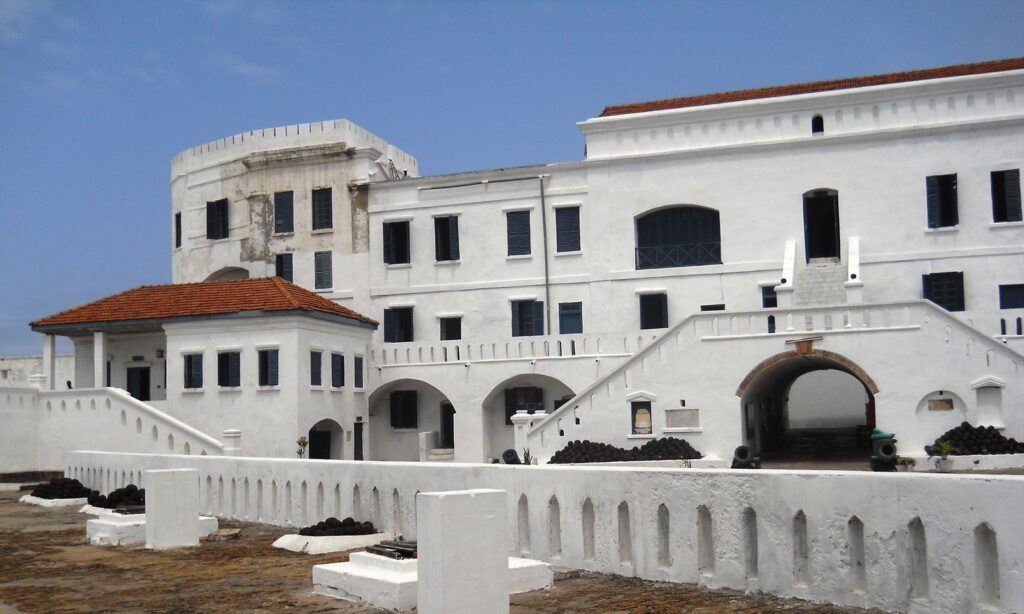
Ghana lit the fire of African independence. We are the home of Afrobeats long before the genre had that name or that global audience. We are the birthplace of Kente, of Highlife, of the Chale Wote Street Art Festival, and of jollof rice arguments that have broken the internet more than once. Cape Coast Castle carries one of the heaviest and most important stories in human history. Mole National Park, Lake Volta, the Kejetia Market, and an arts scene producing globally relevant work that the world is only beginning to discover. And Accra, one of the most exciting cities on the continent right now, with a cultural heritage and a creative energy that visitors talk about for years after they leave.
The world does not know enough of this. That is not their fault. It is ours.
The World Cup hands us a microphone in front of billions of people. The only question is whether we are going to say something worth remembering.
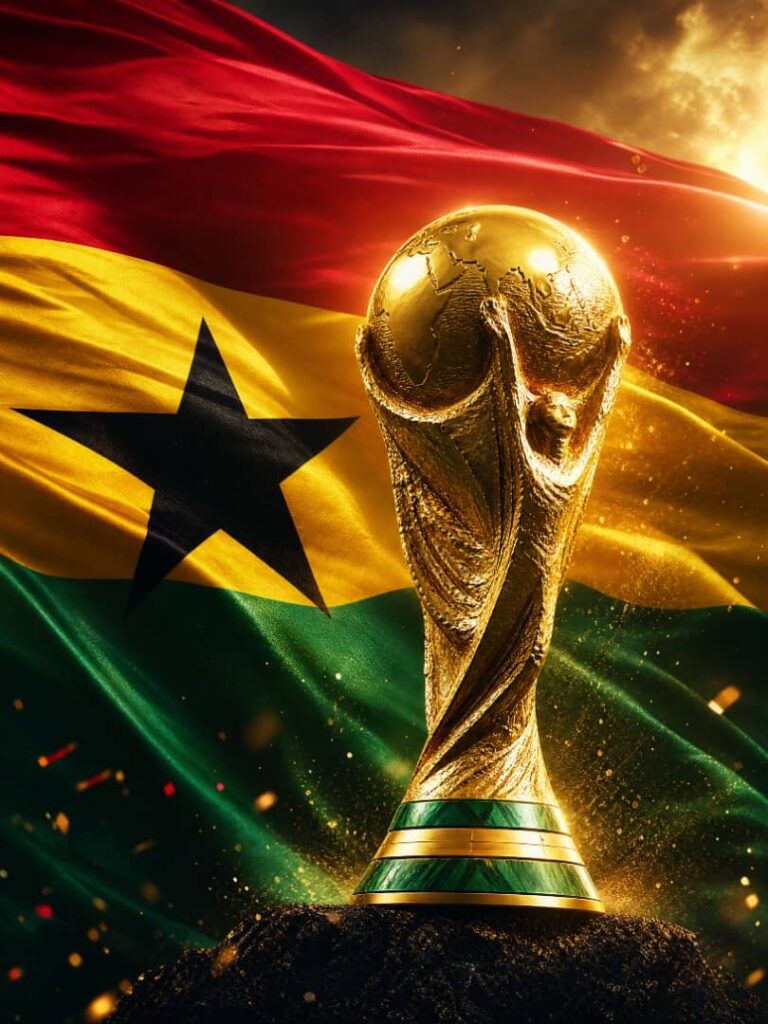
The tournament is four days away. It kicks off on June 11, 2026 across the United States, Canada, and Mexico. There is no time for long planning cycles or documents that sit in inboxes. Ghana finished top of CAF Group I with 25 points from ten matches. The Black Stars are there. The question is whether Brand Ghana is going with them. There is currently no concrete plan from the powers that be to rightly position Ghana's culture, arts and tourism on the world map. At this juncture, we either hit the ground running as soon as possible or we miss this golden opportunity.
Hon. Abla Dzifa Gomashie, the Minister for Tourism, Culture and Creative Arts, and Maame Efua Houadjeto, the CEO of the Ghana Tourism Authority, are the two people best positioned to move this from conversation to action right now. The frameworks exist. The institutions are in place. What this moment demands is one decision to treat this World Cup as a national branding event, not just a sporting one.
The plan is straightforward. Agree on one national story, one emotional thread, and push it across every available platform for the next month. Not a tagline. A real story. The difference between the two is the difference between a billboard and a conversation.
Ghana needs broadcast-ready content on our culture, food, fashion, and history made available to international broadcasters covering the tournament. The diaspora in London, New York, Toronto, and Amsterdam must be activated immediately as grassroots Brand Ghana ambassadors. Our artistes: Akwaboah, Fuse ODG, Shatta Wale, Sarkodie, Black Sherif, Stonebwoy, DopeNation, Kofi Kinaata, Grace Ashly, along with an entire generation of globally credible Ghanaian creatives, need to be in this campaign.
A coordinated digital strategy with one hashtag and a network of content creators producing daily material across TikTok, Instagram, YouTube, and X should have started yesterday. Every major broadcaster should be running cultural programming that goes well beyond match previews and post-game analysis. Hotels, airlines, consumer brands, and the Ghana Football Association all have clear roles. But everything must connect under one coherent national narrative, not a dozen separate campaigns pulling in opposite directions.
The Ministry of Tourism, Culture and Creative Arts should convene an emergency Brand Ghana activation meeting this week (if they haven't done that already), pulling in the GTA, the Creative Arts Agency, the Ghana Football Association, Blackstar Experience Secretariat, Diaspora Affairs Directorate and private sector partners to align on one campaign message. The GTA should immediately compile and distribute a Ghana Culture and Tourism Media Pack comprising high-quality photography, short video content, destination guides, and cultural profiles, made freely available to every international broadcaster and journalist at the tournament. Ghana's embassies and high commissions in the US, UK, Canada, and Germany should be briefed to host Ghana Night cultural events during the tournament. A Ghana presence at the FIFA Fan Zones in the host cities should also be pursued immediately as a live showcase of who we are.
Every major Ghanaian broadcaster should dedicate airtime to a World Cup cultural series spotlighting our tourism destinations, chefs, fashion designers, and heritage sites for the full duration of the tournament. A dedicated team of Ghanaian journalists, videographers, and content creators should be on the ground in the host cities producing real-time Ghana content from inside the tournament environment.
One unified campaign hashtag should be agreed on and launched as soon as possible, with every government agency, media house, brand, and artiste committed to using it consistently. A daily content calendar covering Ghana's destinations, food, music, and culture should run across TikTok, Instagram, YouTube, and X, tied to match day energy. Ghanaian content creators, both local and diaspora, should be onboarded with a clear Brand Ghana content guide and posting schedule. Targeted digital advertising should run in the US, UK, Canada, and Europe during peak viewing windows, pointing audiences directly to Ghana tourism platforms.
Ghanaian musicians, fashion designers, chefs, and visual artists should be formally engaged as Brand Ghana World Cup Ambassadors this week, given a clear brief and the creative freedom to tell our story authentically. Diaspora associations across North America and Europe should mobilise Ghana cultural activations on match days, when our visibility is naturally at its highest. Airlines, hotels, and hospitality brands should move immediately to package offerings that bundle the football experience with cultural visits to Cape Coast Castle, Kumasi, Mole National Park, and Accra. Ghanaian restaurants abroad should run match day events that introduce guests to Ghana beyond the scoreline.
The benefits will not always be immediate. It shows up in tourism bookings six months from now. It shows up when an investor who watched Ghana play raises the country's name in a boardroom. It shows up when a young person in Seoul or São Paulo opens Google to find out more about where these players come from.
None of this requires us to build something from scratch. The talent is here. The culture is here. The institutions exist. What this moment demands is urgency and the will to act in the next four days with the same passion we pour into supporting the team on match night.
The Black Stars carry our footballing dreams. Brand Ghana has to carry something bigger.
Four days. Five billion people. Let us make sure they see more than football.
Go Ghana ! Ghana to the World!
Latest Stories
-
Government procures over 2,000 transformers as Ghana’s electricity access hits 89.13% – Energy Minister
18 minutes -
UTAG-UG threatens strike on October 19 over unpaid allowance
26 minutes -
Let The Constitution direct Chieftaincy to deliver “All Development Is Local”
2 hours -
John Jinapor outlines renewable energy, nuclear power priorities for 2027
2 hours -
Ghana explores centre of excellence for hearing, communication and cochlear implant care
3 hours -
Schizophrenia-related disorders lead mental health cases recorded in Ghana
3 hours -
Dutch authorities enlist Ghana in hunt for fugitive drug lord Bolle Jos
4 hours -
Ghana housing finance conference adopts communiqué to improve affordable housing access
8 hours -
Special Initiatives Minister urges Wa Technical Institute to enrol more girls as EU-backed solar training lab opens
9 hours -
In the matter of my first year at the Bar
9 hours -
ActionAid Ghana calls for an end to child marriage, greater investment in girls’ rights
9 hours -
Newsfile to tackle World Cup visa scandal, beach demolitions, education strikes, BRICS bid
9 hours -
UK-Ghana Trade & Investment Summit: Trade Resource Centre to help businesses maximise UK-Ghana trade opportunities
10 hours -
Embassy of Denmark celebrates World Maritime Day
10 hours -
Linking LEAP to productive inclusion could cut extreme poverty by 2030 – UNICEF
11 hours