

Audio By Carbonatix
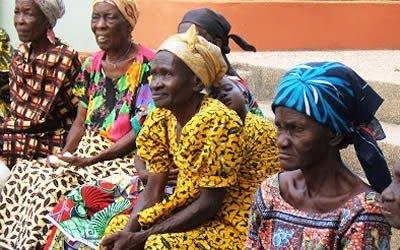
The Ghana National Household Registry (GNHR) has collected data on about 80,000 poor and vulnerable persons in the Greater Accra Region out of which over 60 per cent of them are homeless.
About 62 per cent of the vulnerable individuals were female with about 50 per cent aged 18 – 39; about 20 per cent aged 40 – 59; and 10 per cent aged 60 and above; and the remaining under 18 years.
“Over 60 per cent of vulnerable individuals sleep in kiosks, containers, markets, uncompleted structures, on the streets, bus or lorry stations, chop bars or drinking spots, and at the beaches, exposed to natural hazards. Only very few people sleep in compound houses, mostly in overcrowded rooms”, the report added.
Dr Prosper Laari, National Coordinator of GNHR, said they collated the data during the lockdown period in the Greater Accra Region, which the Ministry of Gender, Children and Social Protection used for providing relief services during the period.
He said the compilation of such register involved the collection of information on the composition of socio-economic characteristics of households, adding that, upon completion it would serve as a database for the selection of beneficiaries for all social protection programmes in Ghana.
He said: “Three percent of the individuals live with disability, 68.1 per cent of the vulnerable persons above 15 years are migrants. Homeless people with their children constituted 63.8 per cent.
“Kayaye constitute 14.3 per cent of the working group, majority of whom were females and 1.3 per cent were foreign nationals.
“The children whose responses were collected from their parents, guardians or recognized adults, were grouped as follows; 0.9 per cent Orphans, 6.9 per cent Children under 15 years with no guardian, and 19.3 per cent of children aged 4 to 15 years not in school.”
Dr Laari said there was the need for a comprehensive and robust data on the poor and vulnerable to inform government’s decision-making for relief services to affected groups for a successful, productive social protection programme.
He said, “This will in turn improve the effectiveness and efficiency of social protection programme delivery.”
Latest Stories
-
Team Volta wins NPA 2026 Staff Welfare Week Quiz
10 minutes -
Team Eternity Ghana releases new album “The Promise – Phase 1”
15 minutes -
Inside the human genome: Why scientists are still discovering who we are
18 minutes -
PAC grills Central Regional Coordinating Council over GH¢14.9m payments processed outside GIFMIS
25 minutes -
Ghana’s industrial dream at risk? How the Yuan policy could deepen China dependence
26 minutes -
Teachers’ strike: Government has funds, but processes are causing delays – Education Committee Vice Chair
32 minutes -
Afenyo-Markin urges Christian Council to intervene over arrests linked to free speech
32 minutes -
GCB Bank urges MSMEs to formalise businesses for easier access to finance
34 minutes -
Criminal cases must be tried in ordinary courts – Prof. Oquaye opposes tribunals
35 minutes -
Ghana, India sign MoUs to deepen cooperation in agriculture, healthcare, railways and ICT
1 hour -
Pete Edochie becomes first Pan-African honouree of Ghana’s Legacy Project
1 hour -
GCB MSME Caravan Clinic unfolds in Accra, boosting support for Ghanaian small businesses
1 hour -
AMA urged to crack down on unauthorised billboards in Accra
1 hour -
Obuasi East Assembly orders removal of containers from road reservation
1 hour -
From selling body splash to Best Female Graduating Student at UDS – Hamdia’s inspiring journey
1 hour