

Audio By Carbonatix
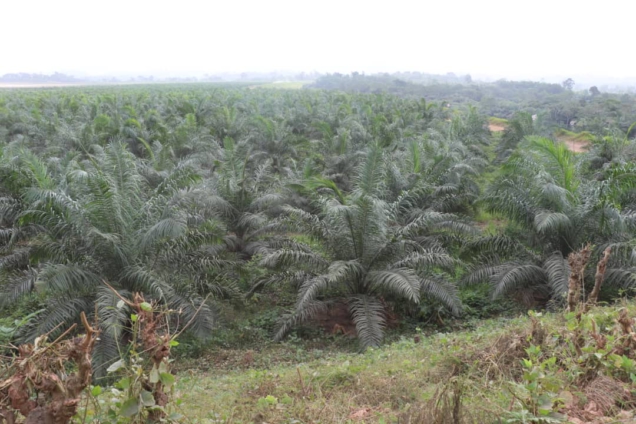
Solidaridad through its National Initiatives for Sustainable Climate-Smart Oil Palm Smallholders (NISCOPS) programme is helping to reclaim degraded mine sites in the Central region of Ghana with oil palm.
The initiative has become necessary due to threats to the livelihoods of farmers in that part of the country as a result of the operations of illegal small-scale miners whose activities destroy arable lands and pose food security challenges to communities.
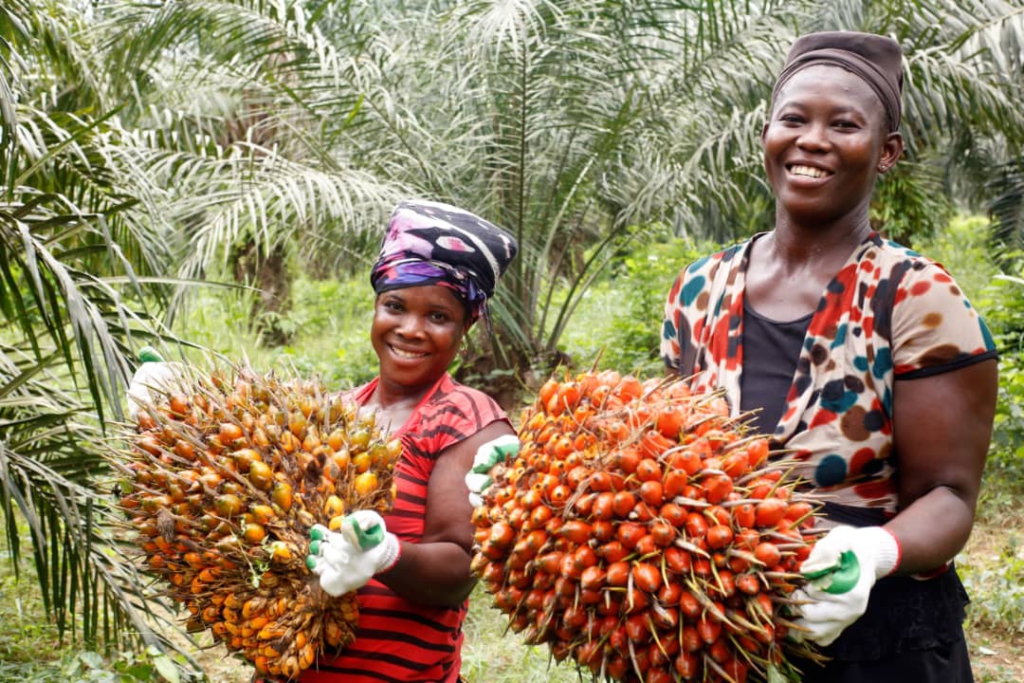
Rosemary Addico, the programme manager for NISCOPS, indicated that Solidaridad is facilitating access to climate-resilient oil palm seedlings, processing equipment and soil analysis tests in communities where the reclamation activities will be carried out.
She made the remarks during the annual review meeting of the programme in Accra in response to concerns raised by the district Agricultural Director of the Upper Denkyira West district, Eric Twum, on the sorry state of mined lands in the district.
“Mining continues to compete with other land use activities in our communities. It is, therefore, crucial for sustainable land reclamation initiatives to be implemented to equip mining communities with skills to improve their economic activities. This will also ensure that these areas do not become ghost towns at the cessation of mining activities,” Eric said.
The Agric Director said he was happy about the intervention by Solidaridad and the prospect to put the land back to productive uses. He pledged the incorporation of climate-smart interventions into the assembly’s mid-term development plan, and to secure a budgetary allocation for their implementation.
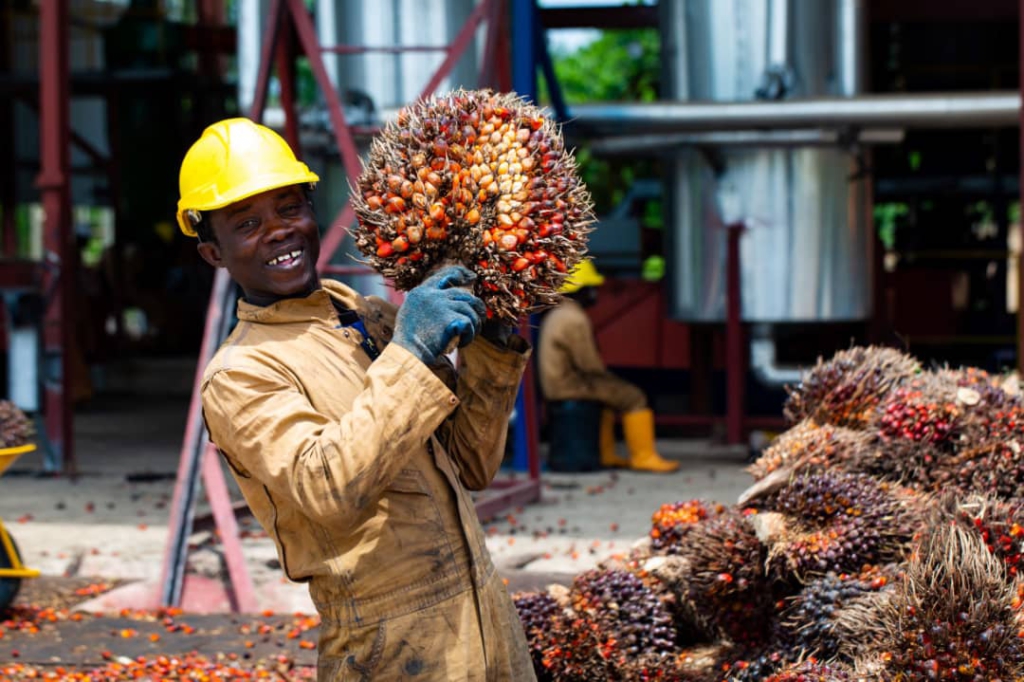
Oil palm is resilient, and one of the most suitable crops for reclamation of degraded mined lands. Its cultivation will not only help restore these lands and reduce climate change impact caused by illegal mining, but also expand the livelihood opportunities for beneficiary communities.
“The reclamation activity reiterates NISCOPS key objective of empowering vulnerable communities with knowledge and skills to enhance production systems to increase profits for workers in the oil palm value chain while protecting the environment, as well as joining efforts at mitigating the impact of climate change,” Rosemary said.
This intervention forms part of Solidaridad's agenda to reclaim sustainability for the millions of smallholder farmers experiencing poverty, inequality and struggling with the impact of climate change.
The National Initiatives for Sustainable Climate-Smart Oil Palm Smallholders annual review meeting, which was organized by Solidaridad to evaluate 2020 implementation activities in the seven beneficiary districts, brought together the programme’s National Advisory Committee members and representatives from the district agric offices.
The National Advisory Committee is made up of eight members who are representatives of ministries, public agencies and private sector entities related to oil palm. It provides policy guidance and support, as well as technical advice for the programme to ensure effective implementation and its alignment with Ghana’s climate agenda.
At the review meeting, Solidaridad received commendation for the feat achieved with farmer profiling and training of agricultural extension agents on best management practices. The committee urged Solidaridad to consider exploring digital tools like the Interactive Voice Response (IVR) to disseminate information as part of capacity building efforts of the NISCOPS programme.
NISCOPS’ mandate on climate change mitigation
The National Initiatives for Sustainable Climate-Smart Oil Palm Smallholders is a four-year programme funded by the Dutch Ministry of Foreign Affairs designed to implement climate-smart initiatives in the oil palm sector in Ghana, Nigeria, Indonesia and Malaysia.
In Ghana, the programme, implemented in 28 communities, seeks to contribute to the Nationally Determined Contributions under the Paris Agreement and the Sustainable Development Goals.
Since October 2020, the programme has profiled 6,634 farmers and 775 processors, and trained 165 agric extension agents in best management practices. These extension agents have in turn trained 1,455 farmers in their respective districts.
With training in other communities still ongoing, it is expected that over 12,500 oil palm smallholder farmers and 600 oil palm processors will benefit from the training by December 2021.
Latest Stories
-
JoyNews-Republic Bank Habitat Fair finale turns homeownership dreams into real possibilities
31 minutes -
Bamiri chief commissions KG block, guest house to boost education and revenue
49 minutes -
NSMQ 2026: Yaa Asantewaa Girls’ going ‘beck’ to Tanoso after Bishop Herman deals them early exit
1 hour -
Data Protection Commission acquires two vehicles to strengthen data protection enforcement
1 hour -
NSMQ 2026: Holy Child School storms back from two-year NSMQ absence to book One-Eighth ticket
3 hours -
GNFS dismisses reports of unpaid 2025 rent allowance
4 hours -
Gordon Asare-Bediako steps down from NPP Communications Director race, backs Dennis Aboagye
4 hours -
GES dismisses requirement for newly promoted teachers to submit documents for salary adjustments
4 hours -
Meko Bono 2026: Vice President pledges agricultural revival as Atebubu hosts grand homecoming
5 hours -
Russian skydiver Sergey Boytcov sets world record with 11,551-metre stratosphere jump
5 hours -
Ablakwa-led committee submits five reports to Mahama ahead of 2027 AU chairmanship
6 hours -
Africa not seeking Western cash in reparations campaign – Ablakwa
6 hours -
Production decline, reserve depletion threaten Ghana’s upstream sector – Jinapor
6 hours -
Surveyors caution against treating compensation disputes as professional misconduct
6 hours -
Mahama calls for AU dialogue on migration after South Africa xenophobic tensions
6 hours