

Audio By Carbonatix
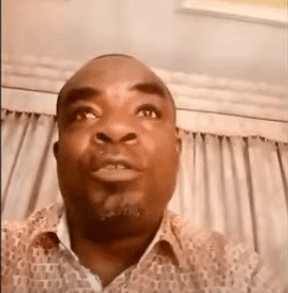
An Executive Council Member of the Ghana Real Estates Development Association (GREDA) is of the view that persons hit hardest by housing deficit are those residing in cities in the country.
Mr Eric Ebo Acquah, speaking on JoyNews' PM Express explained that due to rural-urban migration for greener pasture, they get overpopulated and individuals are left stranded and reside in kiosks due to lack of affordable housing.
'I believe that housing deficit is a primary problem for the city dwellers. When you go to the towns and villages, there are houses there that nobody stays in because everything is concentrated in the cities so everybody moves to the cities,' he said.
Discussing the way forward with host, Evans Mensah, Mr Eric Ebo Acquah noted that government should invest in the railway system.
Reason being, citizens who reside in the rural areas would have easier means to commute back to their homes without having to stay in the urban areas they visit.
This he said; "We must look at our transportation system. Because if you build 100,000 new units in Prampram and the people have to commute to Accra each day since there is no railway system that connects Prampram to Accra. We have to find ways to connect the towns and village with trains.
"Once you do that, people can live 50km and come to work without spending so many hours on the way."
To address the issue of housing deficit, many including Chairman of Comet Properties Limited, Nana Odeneho Kyeremateng, have urged government to take a look at the salary levels of workers.
According to Mr Odeneho Kyeremateng, wage level in the country are too low to enable many workers afford a decent accommodation.
Speaking to George Wiafe on PM Express Business Edition, Mr Kyeremateng indicated that an upward adjustment in salaries can be a catalyst to dealing with the housing challenges.
“…and then look at our salaries. I am not an economist in that sense or the Fair Wages and Salaries Commission, they [workers] must earn income according to whatever they’ve worked. Whatever they earn here, it is too low averagely. Not everybody can buy a house and not everybody can build a house,” he said.
He admonished government not to relegate a vital responsibility such as addressing housing deficit in the hands of the private sector.
For him, "Government should play a major role. Put funds into a wholesale holder, who will then give it out to the mortgagees so citizens can get access to the funds.”
Latest Stories
-
Fuel prices set to rise again from Sept 1; petrol could hit GH¢16.21 – COPEC
55 minutes -
REGSEC restricts Akwasidae celebrations in Denkyira amid security concerns
1 hour -
Eric Adjei distributes free fertiliser to farmers in Jaman North
1 hour -
Akufo-Addo urges NPP factions to unite behind Bawumia for 2028 victory
1 hour -
NDC mourns Western Regional Elections Director Papa Assan
1 hour -
Minerals Commission warns against fake job recruitment schemes
2 hours -
10 recruits dismissed for defying phone ban – Interior Minister
2 hours -
IEAG commends GoldBod, BoG for improving forex stability
2 hours -
Bawumia donates GH¢50,000 to St Jude Catholic Church at Weija
2 hours -
Mahama calls for faster mobilisation of AU Peace Fund resources
2 hours -
Improved roads bring new vehicle options to Tumu-Bolga, Tumu-Tamale, Tumu-Wa routes
2 hours -
Cedi records 7.9% depreciation against US dollar in first half of 2026
2 hours -
GIS launches operation on anti-human trafficking and exploitative street begging
2 hours -
Awutu-Senya District Assembly organises clean-up ahead of Awubia Festival
2 hours -
Vice President Opoku-Agyemang receives Democracy Cup
3 hours