

Audio By Carbonatix
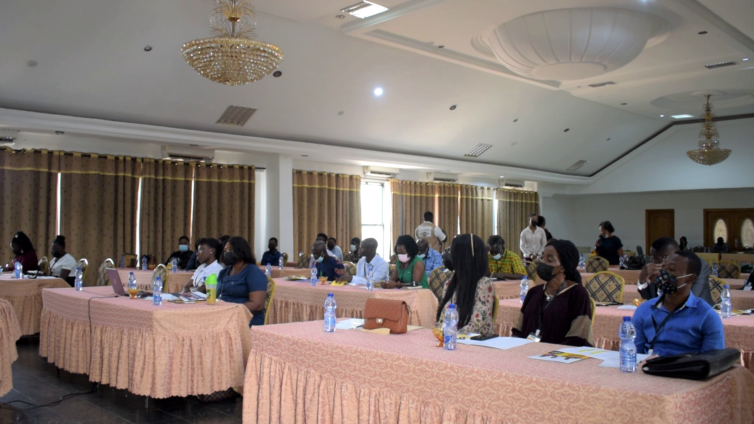
The Ghana Export Promotion Authority (GEPA), is building the capacity of women in agribusiness and textiles in the Ashanti Region to help increase their export and trade potentials.
The 5-day training, supported by the Canadian Trade Facilitation Office, is also aimed at creating more job opportunities for women.
The training programme is part of GEPA's effort to groom exporters for easy access to external markets and ultimately shore-up exports.
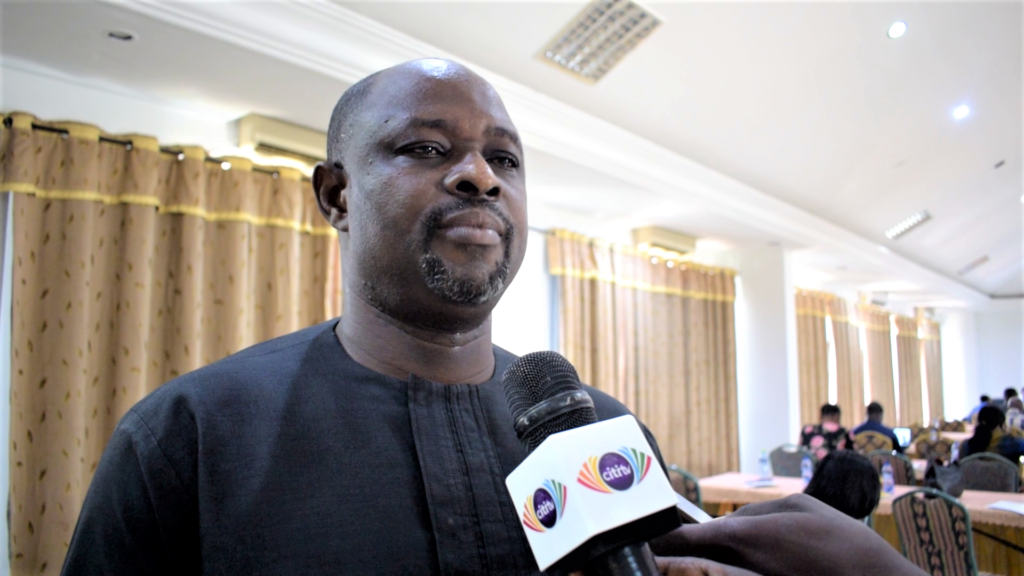
Deputy CEO in charge of Human Resource and Administration at GEPA, Albert Kassim Diwura, observed that international trade comes with lots of demands hence the training.
"This is very important to us because women in trade are doing very well in terms of numbers, but we have realised intermittently they don't have time to do research because they are busy. So we organised this programme to build their capacities to be able to take advantage of the exporting space," he said.
The theme for this year's workshop is; "Facilitate exports for inclusive and sustainable growth."
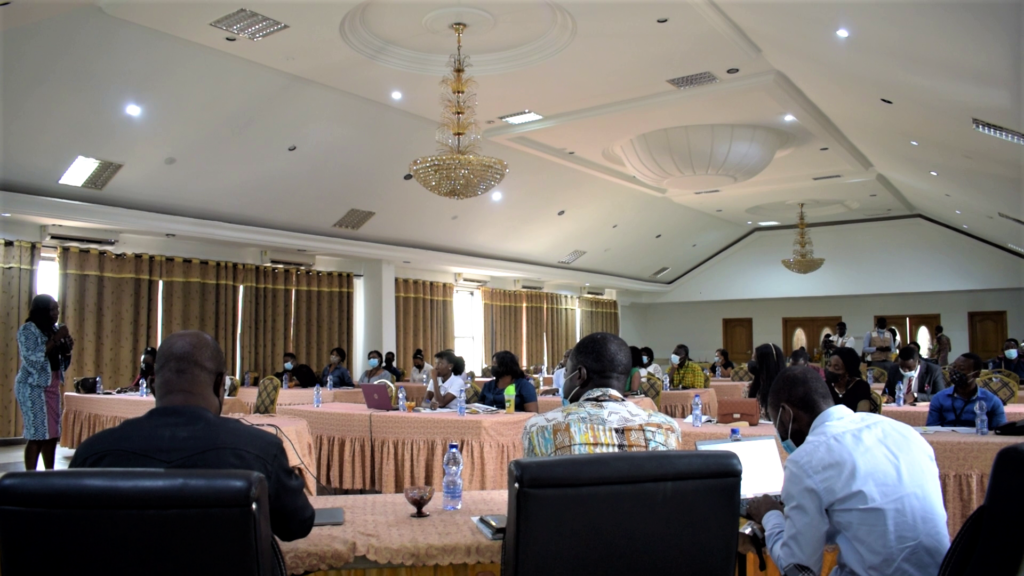
SMEs have been urged to register under the Ghana Export Promotion Authority (GEPA) to access support to enter the international market.
"Some of them don't know they have to register under the Ghana Export Promotion Authority (GEPA). They think just like we sell in the Ghanaian market, they can produce the same way and take it to the international market. Some of them attempt and they have challenges, but when they register, we give them the requisite knowledge on export fundamentals," he noted.
A representative from the Trade Facilitation Office (TFO), Canada, encouraged women to collaborate and take advantage of the export markets.
Mr. Andrew Mensah believes this will help businesses to meet demand.
"One of the challenges we have noticed is lack of networking. It is important for us to bring these enterprises together to work in synergies. Once these enterprises come together they can form networks to meet capacity drive.
When this problem is solved, we will be able to export to get revenue to the country and through this, we will be making contributions to the economy," he said.
Some of the participants spoke to Luv Business about the relevance of the training to their businesses.
"Targeting Ghanaians is not the best for our business, we need to focus on extending our business to other African countries and that is the main reason I'm here. I want to know the nitty gritty and formalities in terms of exporting, "CEO of iFOK footwear, Emmanuel Atakora-Manu indicated.
Janet D. Gyamah, CEO of Josma Agro Industries Limited said, "we've been producing for the local market and looking for avenues to export directly, so I think this training is really going to help my business"
Latest Stories
-
GJA opens entries for 30th Media Awards, introduces 2 new categories
46 seconds -
Ghanaian winger Ibrahim Sadiq joins Colorado Rapids in MLS
13 minutes -
Sister Love by Naina J.M.D. draws international praise ahead of October release
15 minutes -
Ghana Gas CEO calls for more investment in gas infrastructure
39 minutes -
Joy FM Back-to-School Discount Fair 2026 opens
40 minutes -
I’m not impressed by Ghana coach Carlos Queiroz – Odartey Lamptey
40 minutes -
I’m honoured to play at my second U-20 Women’s World Cup – Alex Tay
42 minutes -
8 feared dead as illegal mining pit collapses at Domi Keniago
44 minutes -
Eighth suspect arrested over fatal New Winneba violence
50 minutes -
Commercial fire at Agringanor brought under control by GNFS
52 minutes -
Mortgage repayments and existing debts should not exceed 50% of income – Republic Bank
1 hour -
Republic Bank to offer up to 100% mortgage financing at JoyNews Habitat Fair clinic.
1 hour -
You sounded like an NDC official – Arthur Kennedy criticises Chief Justice over SOE comments
2 hours -
Lands Minister inspects Ankobra, cites progress in galamsey fight
2 hours -
GRA clarifies phone, laptop duty rules; number of items not automatic trigger
2 hours