

Audio By Carbonatix
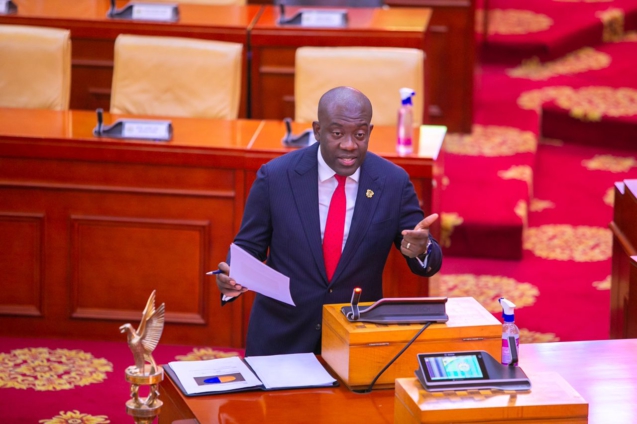
Information Minister Kojo Oppong Nkrumah has charged academia as well as media practitioners to utilise the RTI law Act 989, to obtain reliable information from state institutions for their work.
Answering questions in Parliament on Tuesday, Mr Nkrumah said the law which imposes an obligation on public institutions to provide information to applicants is being underutilised.
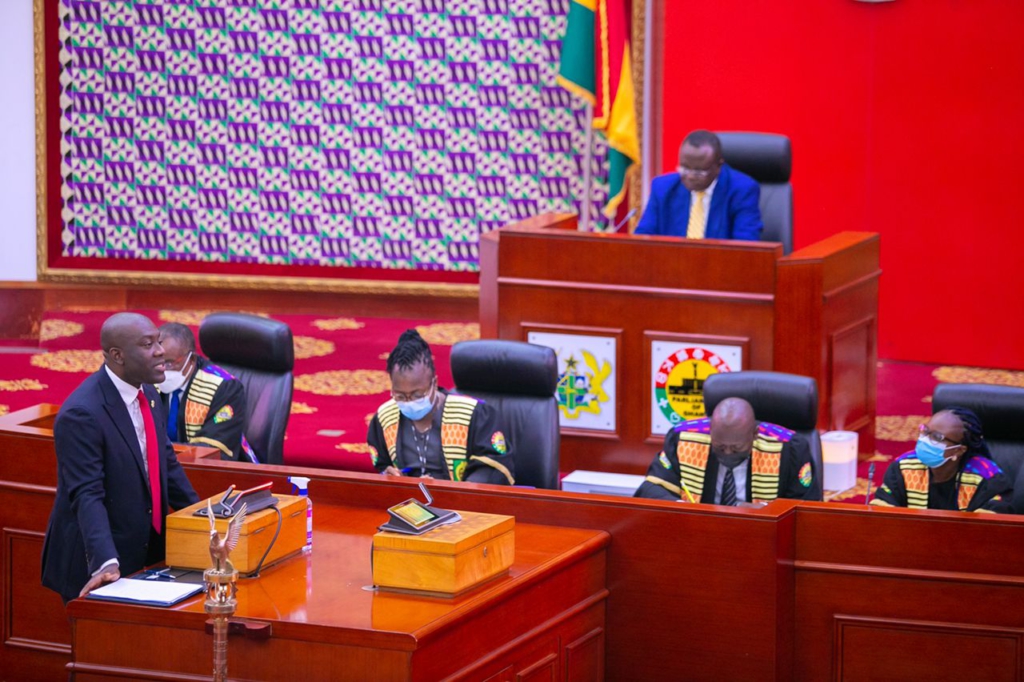
“Mr Speaker, may I take advantage of the opportunity given me to reach out to the whole country, particularly the academic community. A lot of our young people have complained about difficulties in getting access to information when they are preparing their dissertations and so on because a lot of institutions operate as though they are doing you a favor.
“The RTI Act gives you legal cover to apply for information from public institutions for academic purposes.. Also to our colleagues in the media, we want to encourage a lot more use of the Act and a lot less resort to speculation and hearsay. The RTI Act grants you to, by law access to information for purposes of media work,” he added.
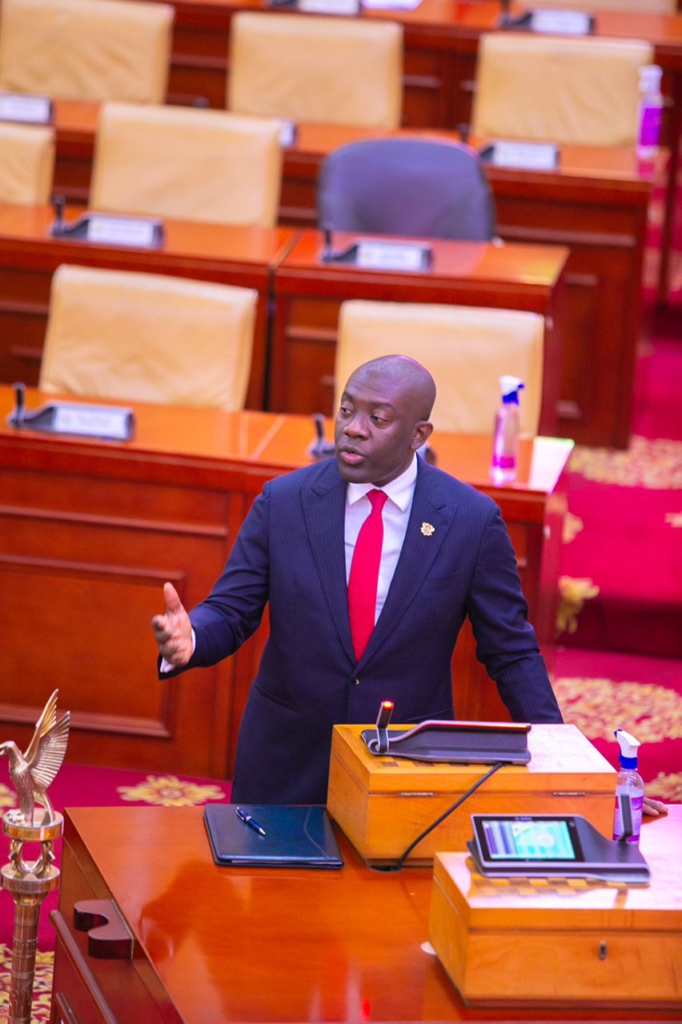
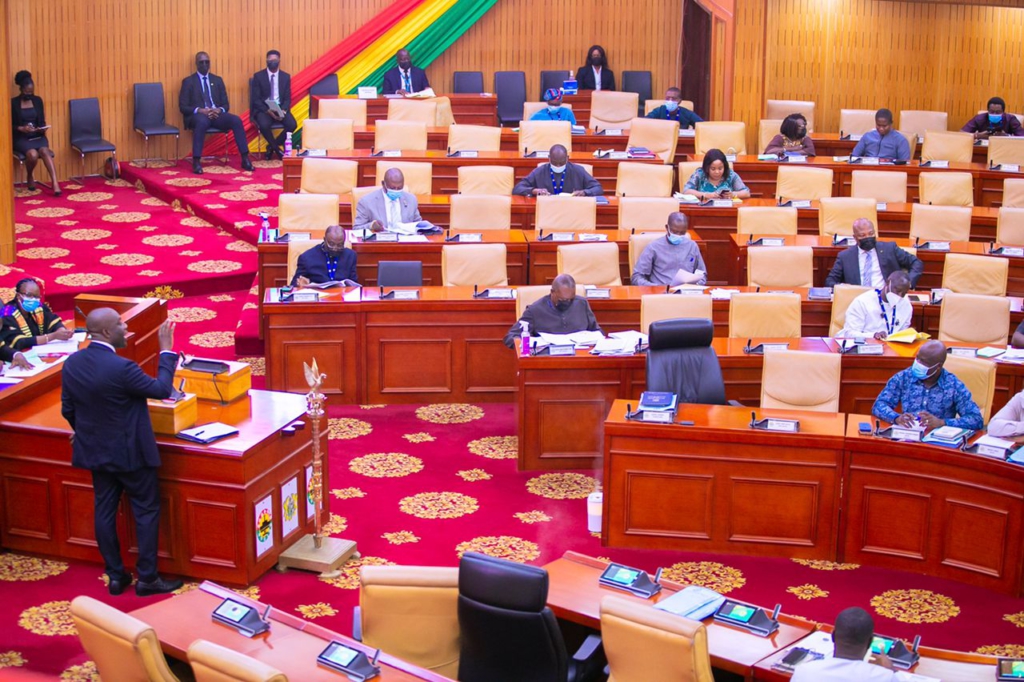
The Minister was providing updates on the progress of the implementation of the law since its inception in 2020 on the floor of Parliament on Tuesday, March 15, 2022.
The law he said allows both media practitioners and persons in academia to get access to credible information with which they can use in dissertations and media works.
He said the law since its introduction has made remarkable progress noting that from the time the implementation of the law commenced to date, a total of 223 RTI requests have been received so far by public institutions.
This he indicated that per interim figures collated from the various RTI offices of state institutions in 2021 alone, a total of 129 requests for information were submitted by individuals and institutions and were received by 47 institutions.
Out of this number, 87 were received from individuals while 42 were received from institutions.
In 2022, a total of 10 requests for information were submitted by individuals and institutions and received by seven public institutions as at the end of January, 2022.
Out of the 10 applications received, 5 (50 percent) were received from individuals while 5 (50 percent) were received from institutions.
Latest Stories
-
GCIF cautions public as criminals deploy AI in phishing attacks
2 minutes -
Mortuaries and Funeral Facilities Agency gives unlicensed mortuaries 10 days to regularise operations
15 minutes -
Five ‘last mile’ communities in the Upper West Region receive five ambulances after years of struggling to access healthcare
20 minutes -
Stephen Kojo Adjei
27 minutes -
Govt building pathways for Ghanaian youth to compete across African markets – Opare Addo
36 minutes -
DCOP Rtr Kwaku Ayesu Opare-Addo
37 minutes -
Epiroc urges businesses to deepen support for education in mining communities
42 minutes -
Jay-Z rape accuser says her allegation was false
42 minutes -
KNUST SHS, OWASS, YAGSS progress to national stage of Public Speaking Competition
45 minutes -
10 rooms destroyed in Bebianiha house fire
49 minutes -
Government repatriates 180 Ghanaians from Libya
52 minutes -
GNAT demands independent probe into death of teacher at Gindabour
54 minutes -
Mark Carney says he has considered possibility of US military action against Canada
54 minutes -
Gindabour: GNAT demands GES statement on death of teacher
54 minutes -
6th Western Gospel Awards unveils nominees ahead of November ceremony
56 minutes