

Audio By Carbonatix
The International Monetary Fund (IMF) has disclosed that Ghana's debt situation has been worsened by the combined effects of the Covid-19 pandemic and the Russia-Ukraine war.
According to the global lender, this has subsequently affected the country's economy; leading to high inflation and a drop in the value of the Ghana Cedi.
The IMF made these assertions in a statement which was published on its official website on Wednesday, July 13, 2022, following its visit to Ghana.
“Ghana is facing a challenging economic and social situation amid an increasingly difficult global environment. The fiscal and debt situation has severely worsened following the COVID-19 pandemic.
At the same time, investors’ concerns have triggered credit rating downgrades, capital outflows, loss of external market access, and rising domestic borrowing costs.
In addition, the global economic shock caused by the war in Ukraine is hitting Ghana at a time when the country is still recovering from the Covid-19 pandemic shock and with limited room for maneuver", the IMF said.
The Fund further disclosed that, "these adverse developments have contributed to slowing economic growth, accumulation of unpaid bills, a large exchange rate depreciation, and a surge in inflation".
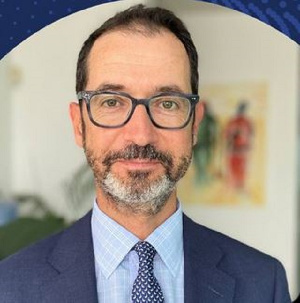
The IMF team, led by Carlo Sdralevich visited Accra between July 6-13, 2022, to have first-hand information on the situation on the grounds and discuss how it could assist government’s Enhanced Domestic Program.
In this regard, the team interacted with the Vice President, Dr Mahamudu Bawumia; the Finance Minister, Ken Ofori-Atta and the governor of the Bank of Ghana, Dr Ernest Addison.
The Fund also engaged the Finance Committee of Parliament, civil society organisations and other stakeholders such as UNICEF and World Bank.
At the close of its one-week interaction, the team expressed its gratitude to all the relevant stakeholders for their collaboration.
Meanwhile, the IMF has expressed its desire to help Ghana weather its current economic predicament.
In the statement by the IMF, it said, "IMF staff will continue to monitor the economic and social situation closely and engage in the coming weeks with the authorities on the formulation of their Enhanced Domestic Program that could be supported by an IMF arrangement and with broad stakeholders’ consultation.
We reaffirm our commitment to support Ghana at this difficult time, consistent with the IMF’s policies".
Ghana went to the IMF on July 1, 2022. This was after the President directed the Finance Minister to engage the Fund in the wake of the country's economic woes.
Since this development, citizens have being divided over Ghana's return to the IMF. While some have lauded the move, a section of the populace continue to lambast government.
Latest Stories
-
Ghana needs a law to sustain constitutional reforms – CDD-Ghana
34 minutes -
COVID fumigation audit: Auditor-General has a lot of questions to answer – Akwatia MP
34 minutes -
Stranded Ghanaian medical graduates in Cuba appeal to Mahama for immediate return
42 minutes -
GNFS contains fire outbreak at Teshie Lekma Road near Lekma Hospital
7 hours -
Samia Nkrumah rejects the narrative that Ghanaians were happy after Nkrumah’s overthrow
8 hours -
A Mother’s pain: Tribute by Ivan Baidoo’s mother
8 hours -
‘Forgive us for staying away’ — Samia Nkrumah leads family back to Nkroful, pledges to preserve Nkrumah’s legacy
8 hours -
Ernest Nuamah scores twice as Lyon beat Rennes
9 hours -
‘My dear Ivan’ – A father’s tribute to a son tragically killed
9 hours -
GNPC Explorco advances Voltaian Basin drilling preparations with 13.5km access road
9 hours -
Cabinet approves facility manager for Borteyman Sports Complex – Kofi Adams
10 hours -
Sanitation is improving; critics may be ‘living in another world’ – Salaga South MP replies Bekwai MP
10 hours -
Government must do more to tackle sanitation crisis – Bekwai MP
10 hours -
World Cleanup Day: GFF begins sanitation education in local communities
10 hours -
EU Ambassador, IGP discuss stronger cooperation on policing and security
10 hours