

Audio By Carbonatix
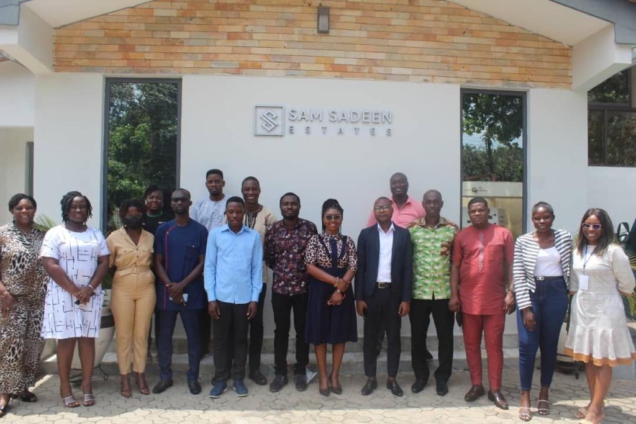
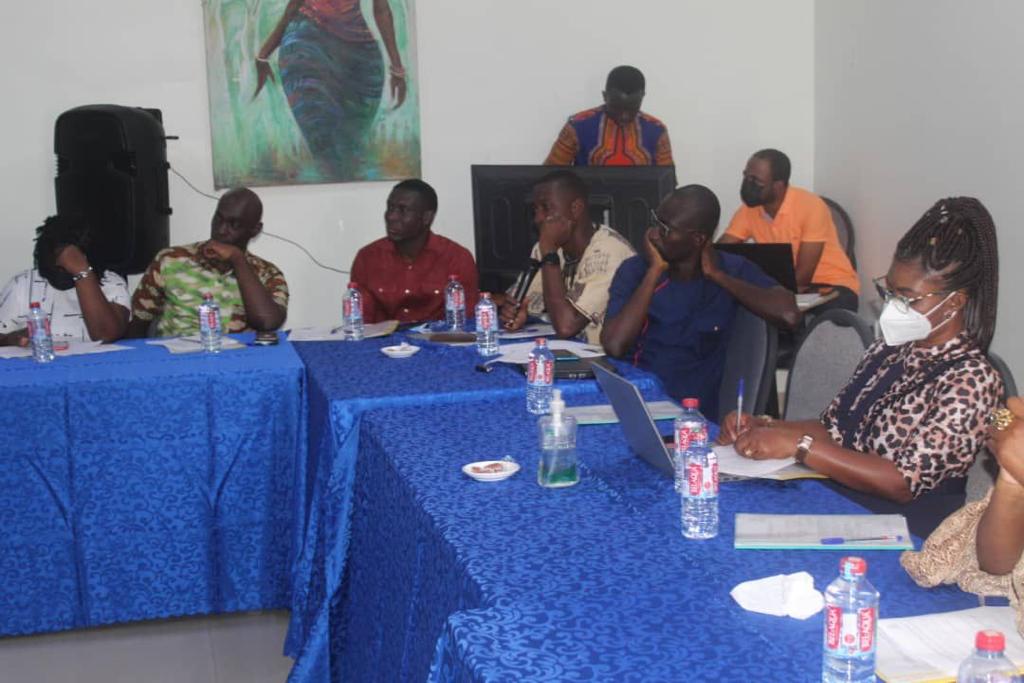
Stakeholders from governments, non-governmental organizations (NGOs), civil society and the private sector engaged in climate action in Ghana have held a one-day workshop to explore pathways and shared ambitions for advancing locally-led adaptation in Ghana.
The one-day workshop was organised by APRI-Africa Policy Research Institute (APRI), in collaboration with the Ghana Climate Innovation Centre (GCIC). It explored pathways through which locally-led adaptation can support Ghana’s Nationally Determined Contributions (NDC) and the country’s climate change adaptation planning.
In her opening remarks, Dr Grace Mbungu, the Head of the Climate Change Program at APRI stressed that locally-led climate adaptation initiatives are becoming important policy tools and approaches for making climate action more effective.
This is because individual farmers, households, and resource managers that are operating at the micro-level make most of the key landuse and resource allocation decisions to adapt to the threats and opportunities posed by a changing climate.
As such, climate adaptation actions risk being ineffective if they fail to be led by the views and priorities of the local stakeholders who influence land, water, and other resource use decisions.
“We need to learn from those who are at the forefront, dealing and coping with the effects of the climate crisis. The steps they take to deal with the day-to-day effects of climate change can and should inform policy and implantation strategies. Those actions that could be supported should also receive support,” Dr Mbungu said.
Rukayatu Sanusi, the Executive Director of the Ghana Climate Innovation Centre also highlighted the importance of the workshop.
She emphasised that Ghana is making some progress in formulating policies, strategies and projects to advance climate action, and it is important for the country to deepen learnings from initiatives on locally-led adaptation, to inform the country’s priorities advanced in the Nationally Determined Contributions (NDC) and the National Adaptation Framework.
In a short presentation made by Dr Albert Arhin, a Research Fellow at APRI, he showed that climate finance is not reaching the local level as expected.
This is because just about 3.5% out of the US$ 1.3 billion climate finance inflows to Ghana from 2011-2019 were spent on climate adaptation initiatives that supports local communities to adjust and respond to the harsh realities of climate change.
The workshop provided an opportunity for stakeholders to explore opportunities, barriers and constraints for accelerating locally-led climate adaptation in Ghana.
They further explored key priorities and entry points for advancing locally-led adaptation as a key component of Ghana’s Nationally Determined Contributions.
Latest Stories
-
Unclaimed car? Efua Abban’s experience with shipping a car to Ghana from the United States
5 minutes -
GoldBod revenue comes from legally approved fees – Sammy Gyamfi
25 minutes -
Ghana cautions Tijjaniya Muslim pilgrims over road travel to Senegal
27 minutes -
Mfantsiman old girls rally support for ICT library as school marks 66th Speech Day
32 minutes -
We won’t stay silent on deliberate smear campaigns – GoldBod CEO
44 minutes -
Ghana’s grid not the strongest – Jinapor admits as gov’t eyes critical power investments
1 hour -
I support calls for Energy Minister to appear before Parliament – Sagnarigu MP
1 hour -
Frequent power trips alarming; urgent measures needed to prevent nationwide blackouts – Ben Boakye
1 hour -
Blackout: Akosombo control station works to be completed next month – Energy Minister insists
1 hour -
ACEP warns frequent power trips expose weaknesses in Ghana’s transmission system
1 hour -
Ageing transmission infrastructure needs urgent investment – Agyapa-Mercer
2 hours -
Ghana must address root cause of 330kV line trips to avert blackouts – ACEP
2 hours -
Global Mercy Hospital Ship arrives in Tema for 10-month Ghana field service
2 hours -
Wontumi eligible to pick NPP nomination form, but vetting will determine his fate – Opare-Ansah
2 hours -
Michael Tetteh Kwetey to contest NDC Greater Accra Regional Chairmanship
3 hours