

Audio By Carbonatix
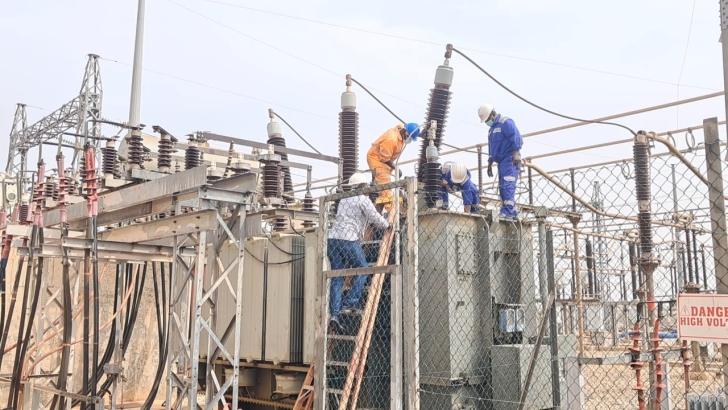
The Executive Director of the Africa Centre for Energy Policy (ACEP), Benjamin Boakye, has raised concerns over the increasing frequency of nationwide power system trips in Ghana, warning that the recurring blackouts point to deeper weaknesses in the country's electricity transmission infrastructure.
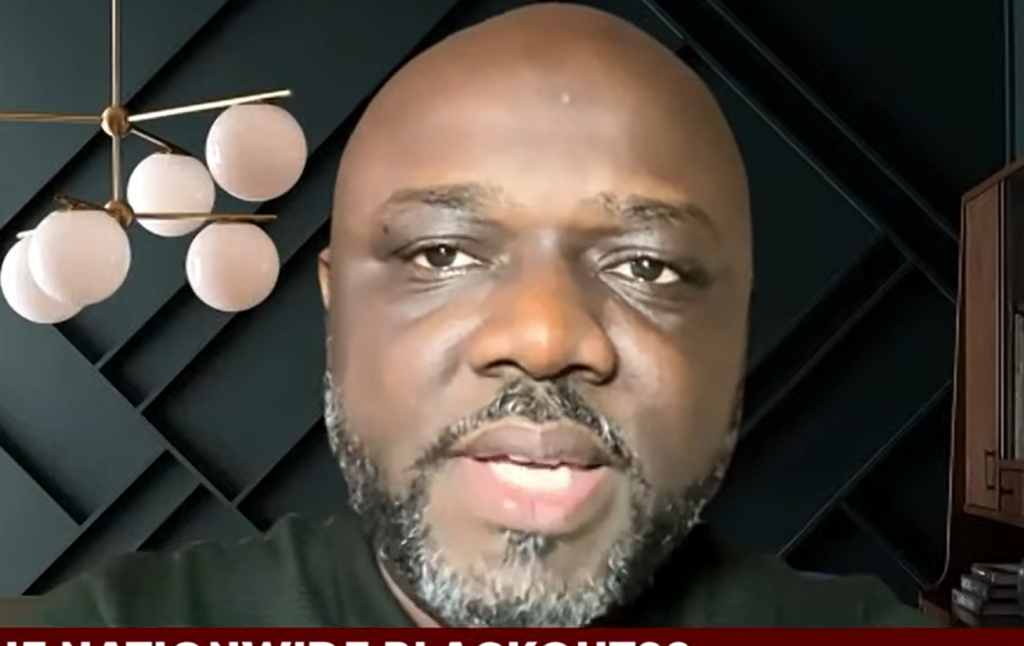
His comments followed a nationwide blackout that affected parts of Ghana on Thursday and were made during an interview on Newsfile on JoyNews on Saturday, August 22.
Mr Boakye acknowledged that power system trips are not unusual, even in advanced electricity markets, where faults can occur and trigger protective systems. However, he said the frequency with which such incidents are occurring in Ghana has become a major concern.
“It’s quite disturbing to have these number of trips in a short period of time,” he said, stressing that the issue was not the occurrence of isolated faults but the growing number of system disturbances within a relatively short period.
According to him, Ghana's power system faces both immediate protection challenges and longer-term infrastructure limitations that need to be addressed to prevent faults on key transmission lines from escalating into nationwide outages.
Mr Boakye said there is a major problem around the Akosombo area that the Ghana Grid Company Limited (GRIDCo) and other relevant technical teams are working to resolve.
He explained that strengthening protection systems around the area would help ensure that a fault affecting part of the transmission network does not automatically trigger a wider system collapse.
He said, however, that addressing the immediate fault alone would not be enough.
“There are some system problems that we need to pay attention to,” he said, pointing to the structure of Ghana's transmission network, which combines 161-kilovolt and 330-kilovolt lines.
The difference in capacity between the two networks, he suggested, creates challenges when a major 330kV transmission line is lost and the burden of carrying electricity shifts to the lower-capacity 161kV network.
Mr Boakye called for immediate measures to limit the impact of failures on the country's major transmission lines.
He said Ghana should develop mechanisms that can quickly isolate selected generation plants when a 330kV line trips, preventing the remaining transmission infrastructure from becoming overloaded.
“We need to really find immediate solution for making sure that we can isolate some generation plants quickly when the 330kV line trips,” he said.
According to him, the 161kV network can struggle to carry the entire electrical load when a major 330kV line goes out of service. Without adequate contingency measures, a fault that begins on one section of the network can therefore spread and result in a much larger outage.
He urged authorities to identify the least-cost measures and appropriate contingency arrangements that could be activated when major transmission lines fail.
The objective, he said, should be to contain the problem and prevent a failure affecting a major transmission corridor from becoming a nationwide blackout.
Beyond the immediate system protection issues, Mr Boakye said Ghana has not paid sufficient attention to the development and upgrading of its transmission infrastructure.
He argued that the country needs to strengthen and expand the transmission network and develop additional transmission routes so that electricity can be moved through alternative paths when one major line becomes unavailable.
“What we haven’t taken serious is the transmission infrastructure and its upgrades and be able to loop it completely,” he said.
A more fully interconnected and looped transmission network, he explained, would provide greater flexibility by allowing power to be rerouted when a particular transmission corridor develops a fault.
He suggested that an additional 330kV transmission line from the Akosombo area could have provided another route for evacuating electricity and reduced the pressure created when an existing major line trips.
“If we had another 330 line perhaps coming from Akosombo, that would have been able to safely evacuate that power that was already on the 330kV line,” he said.
The ACEP executive director stressed that occasional system disturbances are part of operating an electricity network and should not necessarily be interpreted as evidence of systemic failure.
The concern, he said, is the frequency and scale of the recent incidents.
For Mr Boakye, expanding the transmission network and creating additional high-voltage routes should therefore form part of Ghana's strategy for reducing the risk of nationwide blackouts.
He said immediate interventions should be pursued alongside longer-term investments, rather than waiting for major infrastructure projects before addressing the vulnerabilities exposed by recent outages.
He called for stronger protection around vulnerable sections of the network, faster mechanisms for isolating generation or other components when major transmission lines fail, and continued investment in additional high-voltage transmission routes.
The approach would allow GRIDCo and other system operators to contain faults while maintaining electricity supply to as much of the country as possible.
Latest Stories
-
NDC walks out as NPP Delegates Conference suffers hours of delay
26 seconds -
PNC cautions NPP against making flagbearer automatic party leader
12 minutes -
Treat healthcare as an investment, not a budget cost – Mahama
39 minutes -
Mahama outlines Ghana’s strategy to expand healthcare and produce medicines locally
42 minutes -
Don’t pay attention to those who will distract you; Ghanaians are already disappointed – LPG tells NPP
45 minutes -
Prof Mike Oquaye praises NPP Minority’s performance in Parliament
46 minutes -
KAAF University vice chancellor urges fresh students to embrace technology, innovation
46 minutes -
Move beyond packaging to produce drug ingredients in Africa – Mahama to pharma industry
49 minutes -
Ghana Medical Trust Fund, Hungary explore partnership to strengthen specialised healthcare
50 minutes -
Manhyia South MP Baffour Awuah pleads not guilty to EOCO charges, granted GH¢10m bail
53 minutes -
NPP conference: We need leaders to complement our efforts in Parliament – Annoh-Dompreh
56 minutes -
Sammy Crabbe steps down from NPP Chairmanship race, backs John Boadu
56 minutes -
NPP postpones constitutional amendments, including proposal on party leadership to next national conference
60 minutes -
NDC ‘running into opposition like Usain Bolt’ – Sammy Awuku
1 hour -
Local pharma production can create jobs, strengthen Africa’s health security – Mahama
1 hour