

Audio By Carbonatix
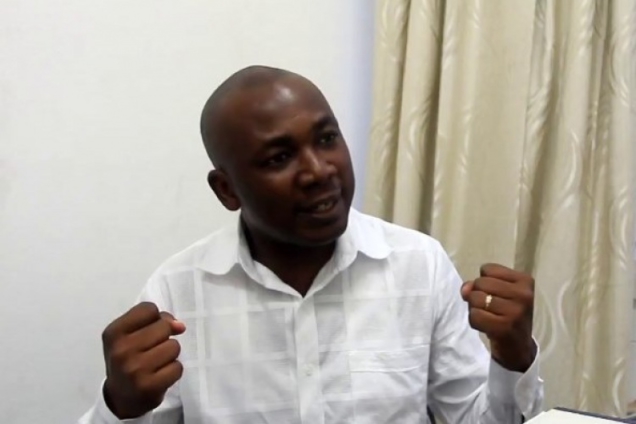
An Economist and Finance Lecturer at the University of Ghana Business School (UGBS) says the government’s introduction of a debt exchange programme is the first level of measures to be implemented before Ghana qualifies for an IMF bailout.
According to Prof Godfred Bokpin, there would be more programmes to follow.
“This is not to scare anyone. The debt exchange government announced is just the first level, there would be more to come,” he stated.
According to him, “there would be exchange with non-tradable government debt, there would be some other fiscal adjustment that would have to be made beyond what is in the 2023 Budget.”
Speaking in an interview on Joy FM's Top Story on Monday, he explained that his assertion is due to the fact that the level of adjustment that needs to be made to attain sustainability in the debt levels is enormous.
“Because across almost all the debt sustainability dependency indicators, we are trending in some cases more than 40% above the policy dependency threshold in the baseline estimation.”
"Unfortunately, what makes it sad is the lack of disclosure and transparency on the part of our government and their lack of consultation, coming with clean hands, honesty, humility to say that this is the extent of the problem. I need all of you to come on board. Look, the government has adopted an approach like they more or less want to ambush the market. It doesn't help," he explained.
Prof. Bokpin added that, “assuming government was to have its way and even suspend interest payment across all its instrument –treasury bills, bonds etc and even include external debt servicing obligation as captured in the 2023 Budget, approximately 63 billion cedis, it will not be enough.”
According to him, per the analysis, the primary surplus the country needs to record in the next five years to climb back to a sustainable level is averaging 6.4 million dollars.
“If you look at that current exchange rate, you are looking at something in excess of 75 billion cedis. So that tells you that the level of savings that have to be made on annual basis to bring the debt to a more sustainable level is huge,” he said.
Latest Stories
-
Abronye DC retains NPP Bono East Regional chairmanship
1 minute -
NSMQ 2026: Check out the 147 schools battling in 49 preliminary contests
5 minutes -
NPP rebuilding to reclaim parliamentary seats lost in 2024 – Annoh-Dompreh
17 minutes -
GoldBod has not made GH₵1.7bn loss – Prof Ebo Turkson
45 minutes -
Legal vacation trials involving politicians raise fair play concerns – Baffour Awuah
46 minutes -
‘It should have been negotiated’ – Dafeamekpor on lawyers’ dispute with CJ over vacation hearings
1 hour -
Ablakwa announces special bonus for passport staff after GSS ranks service among least corrupt institutions
1 hour -
Mövenpick Ambassador Hotel will deepen community engagement as it marks 15 years – General Manager
2 hours -
Mad rush for GH¢15 KFC deal as massive queues hit branches nationwide
2 hours -
Firefighters contain raging fire at Labadi Wireless
2 hours -
Photos: Police engage religious leaders at National Police Headquarters
2 hours -
Gov’t invests GH¢443m in Free Primary Health Care – Dr Asare Bampoe
3 hours -
ECG announces power outages in parts of Accra West and Central regions
3 hours -
Otumfuo calls for urgent action to end maternal deaths in Ghana
3 hours -
Prioritise Bawumia’s interest and vote on merit – NPP elder urges delegates
3 hours