

Audio By Carbonatix
The Institute of Statistical, Social and Economic Research (ISSER) has called for the adoption of electric vehicles (EVs) as a key strategy to achieve a low-carbon transport sector in Ghana.
In their latest social development outlook, ISSER emphasizes the importance of transitioning from traditional fossil fuel-based vehicles to electric vehicles to reduce greenhouse gas emissions and promote sustainable transportation.
The interplay between energy generation and consumption patterns plays a pivotal role in determining a country's economic future and overall well-being. In Ghana, the use of crude oil has been a significant contributor to electricity generation and industrial development, making it the largest portion of the country's energy sources.
However, recent data indicate a decrease in the total supply of crude oil products in 2021, dropping to 4,334 thousand tonnes of oil equivalent (ktoe) from the 2018 figure of approximately 4,416 ktoe.
This decline highlights the need to explore alternative sources of energy and shift towards cleaner and more sustainable options.
The transport sector is a major contributor to Ghana's energy consumption, accounting for about 38% of total final energy consumption in 2021.
In comparison, the industrial sector's share increased from 14% in 2018 to 16% in 2021, while the services and agriculture sectors maintained the same shares of 5% and 2%, respectively, for both years.
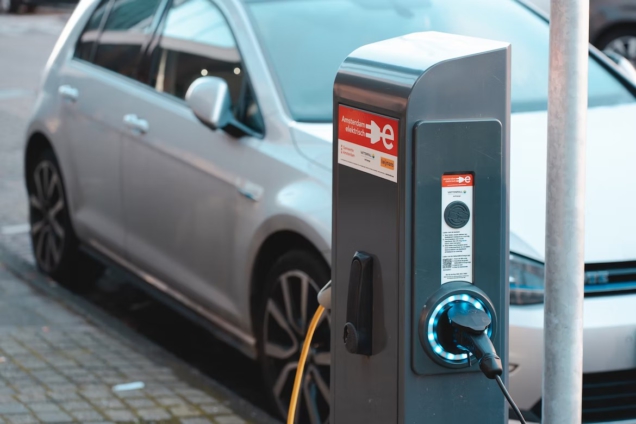
To address the environmental challenges posed by the transport sector, ISSER recommends the adoption of electric vehicles as a crucial step towards achieving a low-carbon transport system.
Electric vehicles run on electricity stored in batteries, eliminating the reliance on fossil fuels and significantly reducing greenhouse gas emissions. By transitioning to EVs, Ghana can make significant progress in reducing its carbon footprint and combating climate change.
Furthermore, the increased share of renewable power in the country's total energy mix will play a vital role in supporting the electrification of the transport sector.
By harnessing Ghana's abundant renewable energy resources, such as solar and wind, the country can generate clean and sustainable electricity to power electric vehicles.
The adoption of electric vehicles in Ghana aligns with global efforts to transition towards a greener and more sustainable future.
Many countries around the world have already set ambitious targets to phase out internal combustion engine vehicles and promote the widespread adoption of electric vehicles.
By embracing this transition, Ghana can not only reduce its carbon emissions but also benefit from improved air quality, reduced dependency on imported fossil fuels, and potential economic opportunities in the EV industry.
However, ISSER emphasizes the need for comprehensive policies and strategies, including the development of charging infrastructure, incentives for EV adoption, and awareness campaigns to educate the public about the benefits of electric vehicles.
Latest Stories
-
Dangote refinery drives seven-fold rise in Nigeria petroleum product exports, EIA says
3 hours -
Zambia closes courts on last day to file election challenge
3 hours -
Nearly three million Teslas recalled in China over hidden door handles
3 hours -
China probes use of formaldehyde to keep cabbages fresh
3 hours -
Veteran Nollywood actor Taiwo Hassan ‘Ogogo’ dies at 65
3 hours -
SYPALA 2026 opens at UPSA, puts Africa’s economic future under the spotlight
4 hours -
Man City agree deal for Palmeiras winger Allan
4 hours -
New Zealand to introduce bill for under-16s social media ban
4 hours -
GoldBod rejects funding crisis claims, says gold purchases remain on course
4 hours -
I await courage from accusers to report ‘extortion’ claims – Afenyo-Markin
4 hours -
Prince Harry steps down from African wildlife charity board
4 hours -
I’ll submit myself to any investigation to clear my name – Afenyo-Markin on ‘extortion’ allegation
4 hours -
NAIMOS arrests 3, destroys 86 Chanfang machines in Ablebo galamsey sweep
4 hours -
Galamsey: Ghana’s rivers cannot afford another failed experiment – Akwasi Konadu
4 hours -
Blue Water Guards programme failing in fight against galamsey – Manhyia North MP
4 hours