

Audio By Carbonatix
Ghana is stepping up efforts to strengthen its health security systems, with plans to upgrade the country’s World Health Organisation (WHO) preparedness rating from level three to level five.
The move follows findings from a WHO-led assessment that identified both progress made and critical gaps in Ghana’s capacity to prevent, detect and respond to public health emergencies.
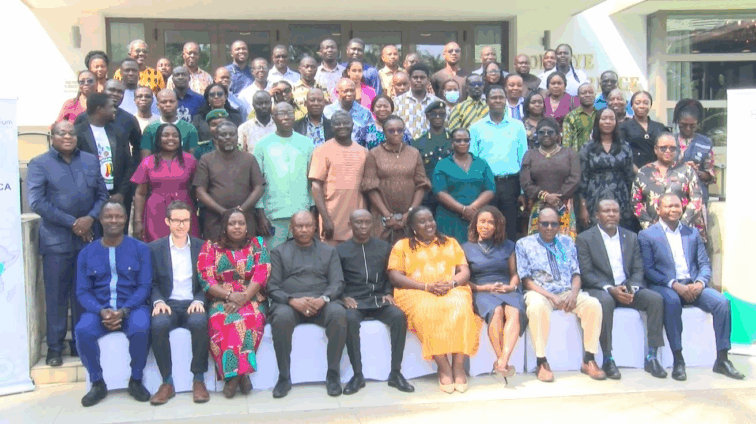
The findings were disclosed at the opening of a three-day workshop in Accra, themed “Prioritisation Workshop on the National Action Plan for Health Security.”
The assessment forms part of the Joint External Evaluation (JEE), a voluntary process under the International Health Regulations that measures countries’ abilities to manage public health threats, including disease outbreaks and other emergencies.
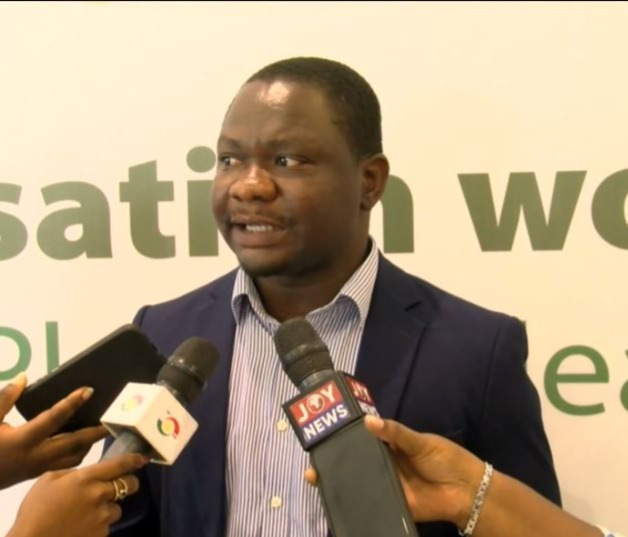
Speaking in an interview, Infectious Hazard Management Officer at the WHO, Patrick Avevor, said Ghana had recorded notable improvements in its latest evaluation.
According to him, about 50 per cent of the 90 technical areas assessed are now rated at level three preparedness, an improvement from 40 per cent in the previous assessment.
While welcoming the progress, Mr Avevor noted that Ghana still has considerable work to do, stressing that the JEE framework has five levels of preparedness, with levels four and five representing advanced and sustainable capacity.
He explained that the identified gaps have informed the rollout of a five-year National Action Plan for Health Security, aimed at strengthening systems across 19 priority technical areas.
The plan outlines expected outcomes over the next five years and identifies key interventions required to improve preparedness, response and recovery capabilities.
“The objective is to progressively move capacities from lower levels to levels three, four, and beyond, ensuring the country has a resilient and scalable system to respond to public health threats,” he said.
The new programme is being implemented at a time when Ghana’s health system continues to face a complex disease burden, including infectious diseases, rising non-communicable diseases and the growing threat of antimicrobial resistance.
Despite these challenges, officials say Ghana is better prepared today than it was before the COVID-19 pandemic, largely due to investments made in surveillance, laboratory systems and emergency response mechanisms during the crisis.
However, they caution that sustaining and improving these gains will require continued reforms, adequate funding and strong political commitment.
Health authorities insist that the success of the National Action Plan for Health Security will depend on effective cross-sector coordination and sustained investment to ensure Ghana remains prepared for future public health emergencies.
Latest Stories
-
Obuasi SHTS scandal: Eduwatch calls for sex offenders’ register and mandatory background checks for teachers
8 minutes -
GloMeF CEO urges intensified public education on new road traffic regulations
19 minutes -
‘Any tax on ChatGPT is an attack on education and innovation’- Akim Swedru, MP
23 minutes -
Obuasi SHTS sexual abuse scandal exposes systemic failure in child protection – Moving Masculinity
23 minutes -
Hubtel CEO calls for national data-sharing framework to boost AI development
26 minutes -
Twelve Golden Rules of real estate development in Ghana, Africa
30 minutes -
Five new telephony cell sites in Ashanti Region to be activated in October 2026 – Sam George
31 minutes -
Mahama cuts sod for Afienya Industrial Park, targets 120 enterprises
36 minutes -
Rush for fuel from accident tankers is stealing, punishable by law – NPA boss, Edudzi Tamakloe
41 minutes -
GhIG pushes for legislation to regulate geoscientists’ activities
47 minutes -
Mfantsipim @150: Ace Anan Ankomah leads project to preserve school’s musical heritage
51 minutes -
Gov’t launches rCOMSDEP in Ahanta West, Mpohor Fiase to promote responsible community mining
53 minutes -
AI is forcing professionals to rethink how they deliver value – Hubtel CEO
56 minutes -
Daily Insight for CEOs: Strengthening the CEO’s Leadership Legacy
56 minutes -
Jimmy Aglah’s ‘When the River Testified’ approved by NaCCA as Supplementary Reader
1 hour