

Audio By Carbonatix
In terms of absolute numbers, the mass exodus of nurses and other health professionals from Ghana for better income and compensation packages abroad has not affected the provision of healthcare services in the country.
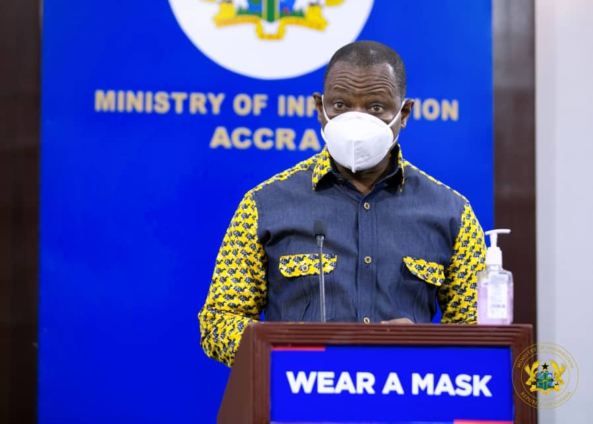
Dr Patrick Kuma-Aboagye, the Director-General of Ghana Health Service (GHS), made this known at the Minister's news briefing in Accra on Thursday, on the topic: Increasing Access to Quality Health Care.
He said the Service had recruited 33,625 new staff over the last three years to boost its capacity to deliver primary healthcare to Ghanaians.
In the first half of 2023, the GHS had increased its staffing capacity from 86,000 to 120,000 and is taking steps to replace those who had left through further training.
The Service was rolling out innovative strategies and programmes to expand access to primary healthcare at the sub-district level under its Network of Practice (NOP), Dr Kuma-Aboagye said.
The NOP is a model of care where the GHS deliberately builds networks of health facilities at the sub-district level and supports them to work optimally to strengthen primary health care.
Dr Kuma-Aboagye said between 400 and 500 health centres would be upgraded into model ones with new infrastructure, equipment and human resource to deliver quality healthcare.
Ghana’s Parliament, he said, had approved $150 million World Bank facility to support the implementation of the Networks of Practice project.
He encouraged Ghanaians to appreciate the efforts of health professionals who were patriotic enough to stay in the country to serve their motherland.
According to the Ghana Registered Nurses and Midwives Association, more than 5,000 nurses and other health personnel had left Ghana for greener pastures abroad over the last three years due to poor conditions of service.
Meanwhile, Dr Alberta Biritwum-Nyarko, the Director in charge of Policy Planning, Monitoring and Evaluation, GHS, in a presentation, said the NOP project would involve a group of public and private health facilities deliberately interconnected through an administrative and clinical management model to offer better health services to clients.
The project would increase access to quality healthcare and population-based services for all by 2030.
It would provide 24-hour services, rapid response to clinical and public health emergencies, better feedback from the community and improve the provision of medical equipment and logistical management to clients.
Latest Stories
-
Total revenue & grants stood at GH¢144.5bn in July 2026, lower than targeted amount – BoG
11 minutes -
Ghana Sports Fund urges sports federations to submit credible proposals and measurable targets
14 minutes -
Musk says US government may be behind slowdown of Ukraine drone speeds
32 minutes -
Picking Chief Justices nearing retirement could give Mahama immense power – Bentil
42 minutes -
Netflix to shed 1,000 jobs in steepest cuts since 2022
1 hour -
Burnham had two hospitality dinners with Man City chairman, deleted records show
1 hour -
Semenyo ‘froze’ after alleged racist abuse, court told
1 hour -
‘Shameless’ – Mourinho critical of Vinicius Jr ban timing
2 hours -
Loyalty can outweigh competence in Chief Justice selection – Bentil
2 hours -
Man City suffer as PSG masterclass sets up Champions League win
2 hours -
Customer Service Africa CEO urges business leaders to observe staff and customer interactions
2 hours -
On night of mayhem for Liverpool, Barcola arrives in style
2 hours -
Muzic Mensah finds healing and renewed love in new single ‘WayƐ Late’
2 hours -
FIFA to offer extra £2.6bn for football development
2 hours -
Government backing is no EPA permit – Authority warns GoldBod, ministries
3 hours