

Audio By Carbonatix
The National Peace Council (NPC) has issued a caution to Ghanaians, particularly politicians, against allowing religion to infiltrate the nation's political sphere.
Emphasising that Ghanaians are a unified people regardless of their religious affiliations, the NPC stresses the importance of preserving unity and harmony within the political landscape.
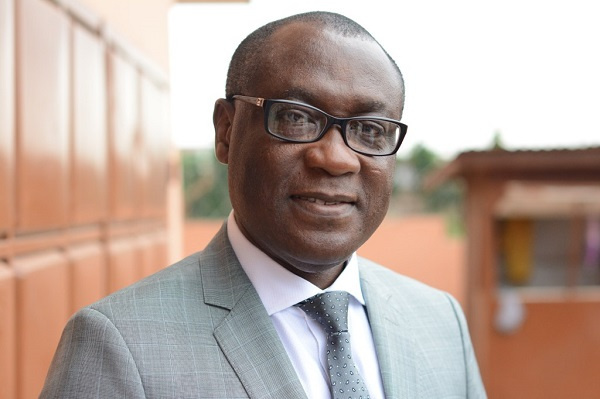
Rev. Dr. Ernest Adu-Gyamfi, National Chairman of the NPC, underscores that division along religious lines cannot be tolerated in Ghana's political discourse.
In an interview on JoyNews' AM Show on Friday, April 5, Dr. Adu-Gyamfi urged politicians to exercise prudence in their statements and interactions with followers, highlighting the potentially harmful consequences such actions could have on the nation.
Read also: Peace Council begins talks with political parties to sign Peace Pact
He asserts that politics should be centered on national development for all citizens, rather than serving the interests of specific groups within the nation.
"We want to remind the public that we have already issued a press release cautioning the whole public let’s avoid religion coming into our politics. I went to school initially with Muslim friends and I used to tell my colleagues on the peace council that I used to live in Asafo very close to the Alhamdiya Mosque and my mother’s landlord at the time was a Muslim and played with the kids and sometimes after playing we went to the mosque even though I didn’t know what they were doing. So we are friends and we have lived together."
"So why are now creating this conflict amongst ourselves?," he asked.
Meanwhile, the recent statement made by independent presidential aspirant, Alan Kyerematen, advocating for the election of a Christian leader has drawn criticism from both the NDC and NPP.
Addressing members of the Church of Pentecost Dr. Wyatt Assembly over the weekend, Mr. Kyerematen asserted, “As a predominantly Christian nation, it is our responsibility as Christians to elect a Christian leader, who embodies Christ-like qualities.”
However, this pronouncement has sparked disapproval from both major political parties, with critics arguing that such statements undermine the principles of religious freedom and inclusivity in governance.
Latest Stories
-
NPP struggled even in traditional strongholds in 2024 – Annoh-Dompreh
2 minutes -
NPP must elect strong parliamentary candidates to reclaim Greater Accra seats – Patrick Boamah
10 minutes -
Abdul-Aziz Abdu-Rahaman elected NPP Upper West Regional Chairman
14 minutes -
Iddrisu Sulemana edges Clifford Braimah to become NPP Savannah Regional Chairman
16 minutes -
‘Arrogance of power’ is driving voters back to NPP in Ashanti Region – Paul Adom-Otchere
26 minutes -
They demolish buildings and tell us they’re building 24-hour markets – Paul Adom-Otchere
40 minutes -
NPP’s 2024 Bolgatanga Central Parliamentary Candidate elected Upper East Regional Chairman
52 minutes -
Incumbent Northern NPP Chair wins as new faces break through in party executive elections
56 minutes -
Former Health Minister Okoe Boye elected NPP Greater Accra Regional Chair
1 hour -
Joseph Kobinah Esibu elected NPP Central Regional Chairman
1 hour -
Fernandez booed by Chelsea fans as Alonso offers glimpse of blueprint
1 hour -
PSG sign World Cup winner Torres from Barcelona
2 hours -
Odeneho Kwaku Appiah beats former EPA boss Kokofu, to emerge NPP Ashanti chair
2 hours -
TDC defends statutory mandate, says its authority to develop Tema predates TMA
2 hours -
Ignatius Kwesi Afrifa elected NPP Western Regional Chairman
2 hours