

Audio By Carbonatix
The Chief Executive Officer of the Ghana Cocoa Board, Joseph Boahen Aidoo, has said he faced significant financial challenges when he assumed office in January 2017.
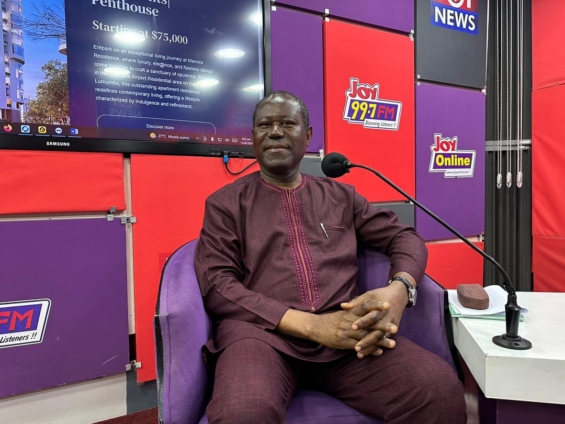
Speaking on Joy FM’s Super Morning Show, Mr Aidoo said although the previous administration secured an amount of $1.8 billion in 2016, by January 2017 no money was left when he took charge of Cocobod.
According to him, the money was spent on buying cocoa and other operational costs incurred.
“They bought about 600,000 metric tonnes before we came in. With cocoa, the peak harvest period is October, November, December, and January. So within the first quarter of the season, from October to December 2016, the previous administration bought over 600,000 metric tonnes.
“When we assumed office, there was no money, meanwhile, we had to buy cocoa till the end of the season from January to September,”he said.
Upon assuming office, Mr Aidoo said Cocobod faced the daunting task of continuing cocoa purchases without any funds available.
He said the best option was for Cocobod to seek assistance from the Bank of Ghana.
“We were forced to go to the Bank of Ghana to borrow. Within that period, we bought over 300,000 metric tonnes and we had to pay the farmers, we had to pay for haulage, the buyer’s margin, and operational costs.
“We sought help from the Bank of Ghana who became an intermediary between the Board and the consolidated banks and we got over GH₵2 billion,”he explained.
Ghana's cocoa has been ravaged by adverse weather, bean disease and illegal gold mining, which often displaces cocoa farms.
Ghanian farmers are also smuggling more beans to neighbouring countries to sell them at higher prices than the state purchasing price, further eroding what little crop is available for delivery in Ghana.
According to reports, the world’s second largest cocoa producer is looking to delay delivery of up to 350,000 tons of beans to next season due to poor crops.
Chocolate makers around the world are raising prices for consumers after cocoa more than doubled in value this year alone following a third year of poor harvests in Ghana and Ivory Coast, responsible for 60% of global production.
Latest Stories
-
Hawaii battles strong winds and rain as Hurricane Lala threat looms
17 minutes -
Twelve killed as Polish bus veers off Hungarian motorway
1 hour -
Building Ghana better: Why architects must be at the heart of national development
4 hours -
GMet warns of severe rainstorm across northern Ghana
4 hours -
Semenyo eyes bigger targets after breaking Yeboah’s Ghanaian Premier League record
5 hours -
Health Ministry reviews NDC manifesto commitments
5 hours -
Mfantsipim School @ 150 and Creech’s Mfantsipim Diaries: My First Shock
6 hours -
Labour backs proposed IPEC but demands full involvement in pay reforms
7 hours -
Ashaiman, parts of Accra to face a 15-hour power outage today
7 hours -
Mohammed Baantima Samba retains NPP Northern Regional chairmanship
8 hours -
Qatar denies capturing three Iranian pilots after downing fighter jets
9 hours -
Jeff Konadu Addo retains NPP Eastern Regional chairmanship
9 hours -
Peru cracks down on illegal gold mining in Amazon reserve with military show of force
10 hours -
NPP polls: Makafui Woanya re-elected as Volta Regional Chairman
10 hours -
NPP polls: List of newly elected NPP regional chairmen
10 hours