

Audio By Carbonatix
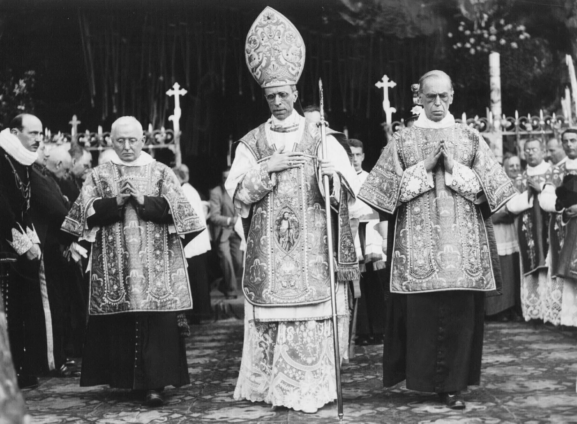
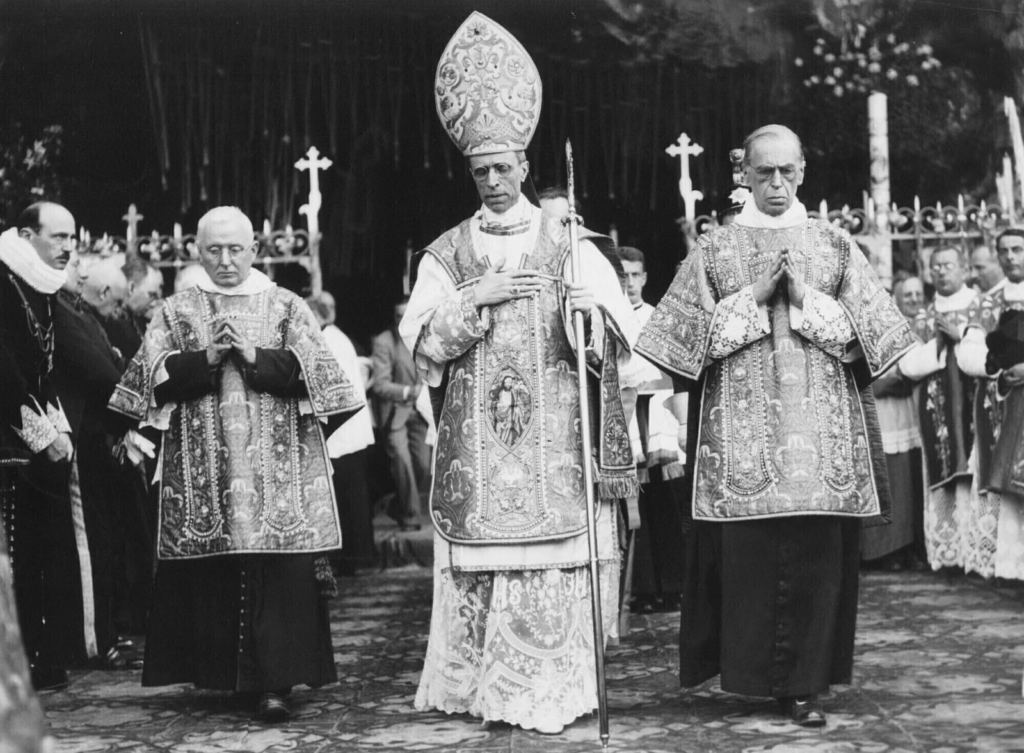
The recently opened archives of Pope Pius XII have shed new light on claims the World War II-era pope didn’t speak out about the Holocaust. But they’re also providing details about another contentious chapter in Vatican history: the scandal over the founder of the Legionaries of Christ.
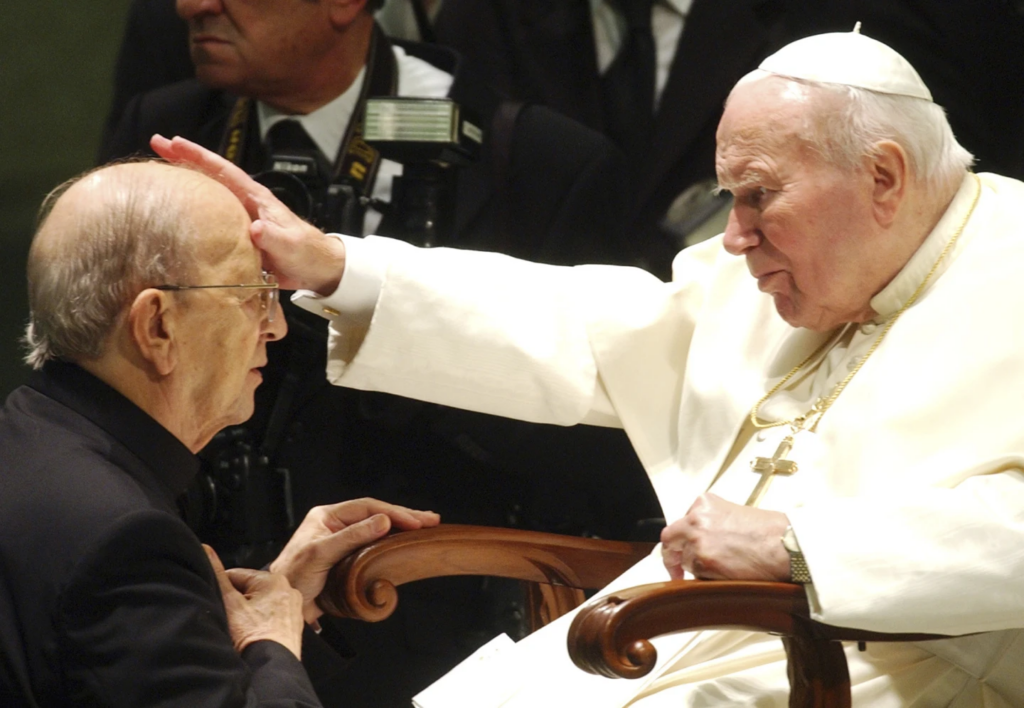
Entire books have already been written about the copious documentation that arrived in the Holy See in the 1940s and 1950s proving its officials had evidence of the Rev. Marcial Maciel’s dubious morals, drug use, financial recklessness and sexual abuse of his young seminarians.
Yet it took the Holy See more than a half-century to sanction Maciel, and even more for it to acknowledge he was a religious fraud and con artist who molested his seminarians, fathered three children and built a secretive, cult-like religious order to hide his double life.
The newly opened archives of the Pius papacy, which spanned 1939-1958, are adding some new details to what has been in the public domain, since they include previously unavailable documentation from the Vatican secretariat of state.
They confirm that Pius’ Vatican was cracking down on Maciel in 1956 and was poised to take even tougher measures against him — including removing him from priestly ministry altogether — but that Pius’ 1958 death enabled Maciel’s supporters to take advantage of the leadership vacuum to save his name and order.
Until now, the biggest stash of publicly available documentation about Maciel had come from the Vatican’s Congregation for Religious, which oversaw the Legion after its founding in 1941 in Mexico.
In 2012, some of Maciel’s Mexican victims put online 200-plus documents spanning the 1940s-2002 that they had obtained from someone with access to the Congregation for Religious archive. These documents, also in the book “La Voluntad De No Saber” (The Will to Not Know) detailed the evidence the Vatican had of Maciel’s depravities, but also how decades of bishops, cardinals and popes turned a blind eye and believed instead the glowing reports that also arrived in Rome.
Now the new documents from the Vatican’s central governing office are fleshing out that history, providing more details about who in the Vatican helped Maciel evade sanction, believing the claims against him to be slander, and who sought to take a tougher line.
One new document, being published in Sunday’s Corriere della Sera cultural supplement La Lettura, contains the original draft of an Oct. 1, 1956, memo by the No. 3 in the Vatican’s office for religious orders.
On that day, Maciel arrived in Rome after he had been suspended by the Vatican as Legion superior and ordered to go into detox to kick a morphine addiction.
According to the memo, the Vatican’s Congregation for Religious wanted an additional measure imposed on Maciel: that he be barred from having contact with young seminarians or risk being suspended from priestly ministry altogether, meaning he couldn’t celebrate Mass publicly, hear confessions or celebrate any other sacraments as a priest.
The author of the note, the Rev. Giovanni Battista Scapinelli, wrote that if Maciel came to the congregation “I will order him to get treated, to abandon any contact with his students until the congregation says otherwise. And if he doesn’t show up, in two days, a pre-emptive order should be given to Maciel: Either you go get treated or you will remain suspended a divinis.”
The draft is significant because it shows that by 1956, at least some in the Vatican took seriously the reports that had reached Rome that Maciel was molesting his young seminarians and wanted to protect them — and wanted to punish Maciel with one of the church’s harshest penalties for his crimes. It would take 50 years though, until 2006, for the Vatican to finally condemn Maciel to a comparatively light sentence of a “lifetime of penance and prayer” for sodomizing his young recruits.
A subsequent draft of the Oct. 1, 1956, memo was published in 2012 by the Mexican victims. It showed that Scapinelli had scratched out his original order for Maciel to refrain from having contact with his seminarians and merely ordered Maciel to get medical treatment for the drug addiction. It contains another page and a half of handwritten notes, as if Scapinelli rewrote it following consultation with others.
The secretariat of state archives contain what appears to be a final, typewritten version of the memo, dated Oct. 2, 1956 which omits any reference to Maciel being prohibited from contact with youngsters and speaks only of him getting medical help, with no further threats of ministerial suspension. A few weeks later, the Vatican appointed outside clerics to do a more thorough investigation onsite.
All versions of the Oct. 1, 1956 memo make clear that Maciel had a great protector in the Vatican in the form of Cardinal Giuseppe Pizzardo, the No. 2 in the powerful Congregation for the Doctrine of the Faith. Other documents say the Congregation for Religious “couldn’t proceed further against F. Maciel because of recommendations and interventions by high-ranking personalities.”
Scapinelli suggests that Pius was fully versed in the Maciel affair and had endorsed his removal as the Legion’s superior, writing that Maciel had been temporarily removed “for reasons known to the Holy Father.”
Indeed, in September of that year the Congregation for Religious handed over a file of “abundant documentation” for Pius to read, with a cover letter recalling that the Congregation had never wanted to recognize the Legion as a pontifically approved religious order because of its “serious” concerns about Maciel.
Pius died two years later, on Oct. 9, 1958. In the chaos of a new papacy, a change in leadership in the Congregation for Religious and interventions by Maciel’s supporters, Maciel was reinstalled as superior of the Legion in early 1959. The Legion was recognized as a pontifical religious order a few years later.
Maciel died in 2008. A year later the Legion admitted to some of his crimes, and a year after that the Vatican took the Legion over and imposed a process of reform and “purification.”
Most of the attention on the 2020 opening of the Pius archives has focused on what he and his advisers did or didn’t do to save Jewish lives during the war.
Latest Stories
-
SYPALA 2026 opens at UPSA, puts Africa’s economic future under the spotlight
19 seconds -
Man City agree deal for Palmeiras winger Allan
4 minutes -
New Zealand to introduce bill for under-16s social media ban
13 minutes -
GoldBod rejects funding crisis claims, says gold purchases remain on course
19 minutes -
I await courage from accusers to report ‘extortion’ claims – Afenyo-Markin
24 minutes -
Prince Harry steps down from African wildlife charity board
24 minutes -
I’ll submit myself to any investigation to clear my name – Afenyo-Markin on ‘extortion’ allegation
34 minutes -
NAIMOS arrests 3, destroys 86 Chanfang machines in Ablebo galamsey sweep
36 minutes -
Galamsey: Ghana’s rivers cannot afford another failed experiment – Akwasi Konadu
55 minutes -
Blue Water Guards programme failing in fight against galamsey – Manhyia North MP
56 minutes -
We will vet Mahama Ayariga fearlessly – Minority Leader
1 hour -
Afenyo-Markin sues Sammy Gyamfi and others over alleged extortion claims
2 hours -
Ayitey Powers arrested over alleged death threat against NSA Director-General
2 hours -
Oppong Nkrumah heads back to Supreme Court over legal vacation ruling
2 hours -
Thousands gather at OVO Arena Wembley for MOGmusic’s ‘Back to Basics’ worship
2 hours