


Audio By Carbonatix
The West African Examinations Council (WAEC) has dismissed claims that it leaks examination papers to students, insisting that such allegations are false.
Deputy Registrar Controller of the Arts and Business Subject Department (ABSD) at WAEC, Mr. Lawrence Dogbetse, revealed that the issue of leaked exam papers often occurs during transit or within exam halls, rather than from the council itself.
Speaking on JoyNews’ EduTalk Show with Emefa Apawu, Mr. Dogbetse disclosed that some individuals tamper with exam papers while they are being transported from the WAEC depots to schools. These individuals take advantage of the opportunity to snap photos of the exam questions and circulate them on social media, particularly on WhatsApp platforms, before the exams officially begin.

“We have a lot of stakeholders working with us. Can you believe some people open the question papers in transit from the WAEC Depot to the schools? Snap and send to WhatsApp platforms. Some invigilators snap the questions in the exam room and send it out for solutions to come in. People don’t even look at the time that thing has been posted. Then they’ll say the thing has come from the WAEC room. In the transit, a lot of people do things,” Mr. Dogbetse revealed.
He explained that this practice involves a syndicate of individuals, including some invigilators, who work together to manipulate the system for their personal gain. These individuals take photos of the exam papers once they are in possession of them, either during transit or inside the exam room, and send the images to external sources for solutions.
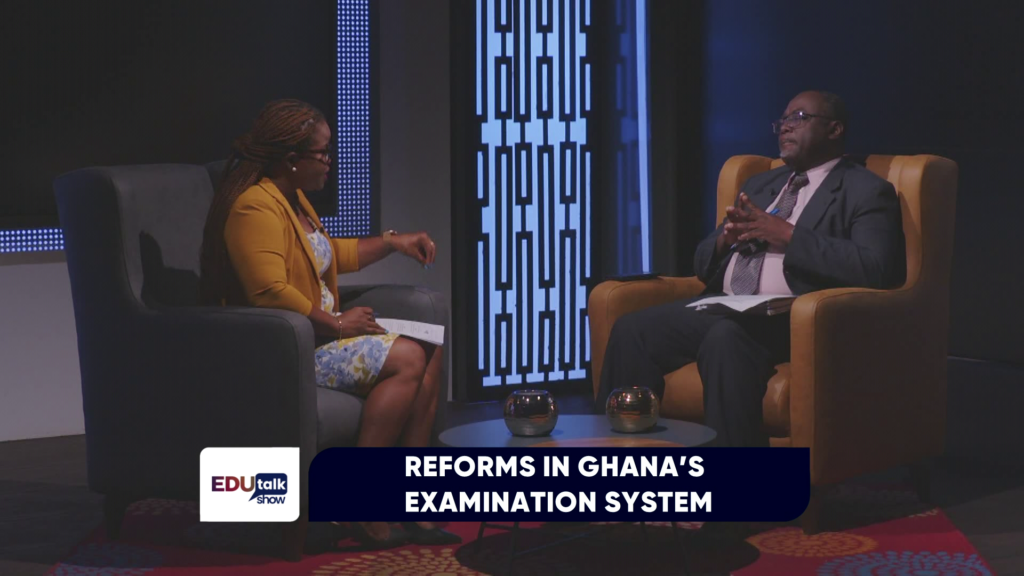
“We provide security, but it’s a whole syndicate. They all come together to understand that that is the game they want to play, and they play it,” Mr. Dogbetse added, underscoring the complex nature of examination malpractice.
Despite these challenges, WAEC remains committed to safeguarding the integrity of the examination process. Mr. Dogbetse noted that the council continues to implement reforms aimed at curbing examination malpractice. These reforms include tightening security measures around the handling of exam papers, sensitising schools and students about the consequences of cheating, and ensuring that all stakeholders understand the gravity of the situation.
“We have a lot of reforms, and we continue doing sensitization. We sensitiSe the schools and the students, telling them the dos and don’ts. The outcomes of cheating when you are caught. Our officers go to the schools to talk to them. At the same time, we try to strengthen our internal operations – how to protect our question papers,” he said.
WAEC has also intensified its internal controls to prevent exam papers from being compromised. The council works closely with schools to ensure that invigilators and other key stakeholders are aware of their roles in maintaining the integrity of the exams. Additionally, WAEC continues to engage law enforcement agencies and other relevant bodies to identify and apprehend individuals involved in these syndicates.
The council's efforts to combat examination malpractice include not only securing the exam papers themselves but also raising awareness among students about the dangers and consequences of engaging in such activities. Mr. Dogbetse emphasized that students caught cheating risk having their results canceled, which could severely impact their academic future.

WAEC has also faced challenges from the general public, who often accuse the council of being the source of leaked exam papers. Mr. Dogbetse, however, clarified that many of these claims are baseless and do not take into account the time at which leaked papers are circulated. He urged the public to be cautious about spreading misinformation and to consider the evidence before making accusations.
“People don’t even look at the time that thing has been posted. Then they’ll say the thing has come from the WAEC room,” he said.
He is urging the public to understand that many leaks occur during the transit and handling of exam papers outside of WAEC's direct control.
WAEC’s efforts to curb exam malpractice are ongoing, with the council continuing to refine its processes to ensure the highest standards of examination integrity across the West African region.
Mr. Dogbetse reiterated WAEC’s commitment to maintaining the credibility of its exams and called for all stakeholders to play their part in ensuring a fair and transparent examination process.
Latest Stories
-
Meghan could return to acting once back in UK
22 minutes -
Bali jails Swiss tourist for insulting sacred Day of Silence
29 minutes -
Nii Lante Vanderpuye apologises to Sammy Gyamfi, NDC over GoldBod comments
3 hours -
Walmart sales under strain as US shoppers pull back
5 hours -
The Premier League’s new plan to end corner chaos
5 hours -
US Open offers biggest prize fund in Grand Slam history
5 hours -
‘I feel I am imprisoning myself’ – Djokovic on drive & doubts
5 hours -
India’s Gen Z are driving up a mega boom in its beauty market
5 hours -
Ronaldinho seeks 300th goal with comeback aged 46
6 hours -
Your voice, your future – Opare Addo opens National Youth Forum 2026
6 hours -
GRA pushes data-driven tax administration to boost revenue mobilisation
6 hours -
NSMQ 2026: Presby SHS, Bompata crushes Sacred Heart’s hopes of reaching one-eighth stage
6 hours -
Africa Golf Tourism Convention opens in South Africa to unlock opportunities
6 hours -
BOGISS alleged sexual assault: Dr Apaak demands protection for autism victim
6 hours -
GTEC trains tertiary officials on new affiliation quality assurance framework
6 hours