

Audio By Carbonatix
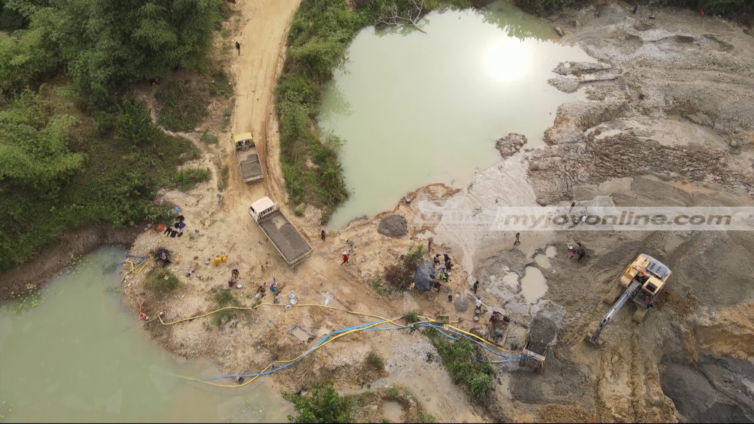
In Ghana’s quest for gold, a far more precious resource is being destroyed: water. Rivers and viable forests that once sustained communities and the country at large are now tainted with deadly mercury and other toxic substances. The destruction of forest reserves and wild and aquatic life continues unabated. These devastating fallouts of illegal mining, or "galamsey," pose existential threats to our very survival and Ghana’s sustainable development. Although the impact on the environment and human health is undeniable, the hidden costs of this devastation extend even further into the pockets of everyone in Ghana.
The Poison for Gold campaign, launched by TrustAfrica and Multimedia Group as part of the RECLAIM Sustainability Programme, funded by the Dutch Ministry of Foreign Affairs, has brought much-needed attention to the actual drivers of the galamsey menace. The campaign reveals that it’s not just about gold extraction; it’s about the survival of an entire ecosystem, livelihoods, and ensuring access to safe and clean water for future generations. A key objective of this initiative is to enhance alternative livelihoods in mining communities while advocating for responsible and innovative small-scale mining.
Mercury: The Silent Killer
One of the most alarming aspects revealed by the campaign is the rampant use of toxic substances and heavy metals in illegal mining operations. Chief among them is mercury. Mercury is used to extract gold from ore, but in the process, it seeps into rivers and soil, with a high tendency to contaminate water sources and subsequently the food chains cultivated in these areas and nearby communities.
The Poison for Gold campaign, through investigative journalism and community engagement, has established how communities dependent on rivers such as the Pra, Ankobra, and Offin for drinking water and fishing are being slowly poisoned by mercury and other heavy metals. This has led to serious health complications, including neurological damage, kidney failure, respiratory conditions, and even birth defects. The campaign’s effective media expositions and advocacy, along with testimonies from affected communities, showcase the damning effects illegal mining is having on Ghana’s most vulnerable populations. Additional media reports have confirmed that many women in these galamsey communities are now experiencing miscarriages.
The Rising Cost of Water Treatment
Illegal mining has turned some of Ghana’s most important rivers into toxic wastelands. The Ghana Water Company Limited (GWCL), responsible for providing safe and clean drinking water to millions, now faces the costly task of treating heavily polluted water because of the galamsey menace.
Due to this contamination, water treatment plants along the Pra and Birim rivers are forced to use up to five times more chemicals to purify the water for consumption, thereby raising the cost of treatment. This increased cost is passed on to consumers, leading to higher water bills. The financial burden is eventually borne by Ghanaians including the poor and vulnerable whose water sources have been destroyed in the relentless pursuit of gold. Beyond this increased expenditure, there is no guarantee that the water is entirely safe or free from harmful substances like mercury, which can lead to long-term health issues such as neurological damage and kidney failure. According to recent reports, mercury can remain in water for several years.
The Price of Water vs. Gold
The irony is bitter: while illegal miners extract gold that often leaves the country for foreign markets, Ghanaians are left paying more for clean water. It's as if a golden apple is being plucked from the hands of the people, leaving behind a poisoned well. This prevailing cycle, where the extraction of one resource leads to the degradation of another, mirrors a classic scenario in the animal kingdom where a predator overhunts, devastating the ecosystem in the process.
In this analogy, illegal miners are like predators, relentlessly chasing gold without regard for the ecosystem’s balance. When predators overhunt, the prey population collapses, destabilizing the environment. Similarly, galamsey is destabilizing Ghana's water systems, affecting not just the environment but also the health, food security, and economy of the country.
A Looming Crisis
The financial cost of treating polluted water is only a fraction of the dangers facing Ghana. The Poison for Gold campaign has also highlighted the devastating effects on farming and food security. Farmers rely on these rivers to irrigate their crops, but as clean, safe water becomes scarce and more toxic, agricultural yields are plummeting. This in turn affects Ghana’s foreign exchange, as galamsey also threatens cash crops like cocoa. Rising food prices are already a challenge, and this trend is expected to worsen. The destruction of farmlands through illegal mining reduces agricultural productivity, pushing the country further from achieving Sustainable Development Goal 2 (Zero Hunger).
Climate change further exacerbates the situation. The effects of galamsey compound the impacts of erratic rainfall, droughts, and floods, all of which already threaten food production and security. With food insecurity on the rise, Ghana’s goal of attaining SDG 2 could be reversed, putting vulnerable populations at risk of hunger.
The Human Cost of Galamsey
Beyond the environmental and financial implications, a human tragedy is unfolding. The mercury used in gold extraction seeps into rivers and soil, entering the food chain through fish and crops. The Poison for Gold campaign has revealed heartbreaking stories of children born with birth defects, adults suffering from unexplained illnesses, and communities lacking access to safe and clean drinking water.
Ghana’s laws, such as the Minerals and Mining Act, 2006 (Act 703), clearly prohibit illegal mining activities, yet enforcement has been weak. Section 93 of the Act specifically outlaws unlicensed mining, but the lucrative nature of galamsey fueled by high global gold prices keeps it thriving.
Currently, it’s estimated that about 60% of Ghana’s water bodies have been polluted due to illegal mining activities. Addressing the effects of galamsey cannot be overstated. The sooner we act, the better.
A Call for Action
It is clear that the fight against illegal mining cannot be won through law enforcement alone. The Poison for Gold campaign advocates for a holistic approach, engaging all stakeholders government, traditional leaders, civil society, media, local communities, and players in the galamsey industry on a sustainable basis. As global attention turns to climate change mitigation through COP negotiations, Ghana’s battle with illegal mining becomes part of a larger conversation. The costs of climate inaction rising temperatures, increased pollution, and damaged ecosystems are already being felt. Galamsey accelerates environmental degradation, making it harder for Ghana to meet its climate commitments and increasing its vulnerability to climate-driven disasters.
To turn the tide, Ghana must begin viewing the galamsey menace as an abuse of basic human rights to clean and safe water, and as an affront to the Constitution for failing to protect lives, properties, and the environment.
- Strict Enforcement of Mining Laws: Crackdown on illegal mining, targeting both miners and their financiers.
- Invest in Alternative Livelihoods: Promote sustainable jobs like farming and eco-tourism to offer alternatives to illegal mining.
- Public-Private Partnerships: Collaborate to invest in water treatment and regulate mining pollution at the source.
- Community Empowerment: Engage communities in monitoring illegal mining, using success stories to inspire others.
- Rehabilitation of Water Bodies: Restore contaminated ecosystems through reforestation and purification.
- Sustain Partnerships: Hold stakeholders accountable.
- Address Political Financing: Tackle the involvement of political elites and illegal financial flows (IFFs) in galamsey funding.
Conclusion: A Future Worth Fighting For
The question of where gold from illegal mining ends must be answered to avoid a mineral curse or blood-diamond scenario in Ghana. Addressing illegal mining is essential not just for environmental protection but for the nation's future. The escalating cost of treating water is a symptom of a deeper crisis threatening livelihoods and societal stability. Ghana faces a clear choice: either act now to restore ecosystems and protect future generations, or continue to allow illegal mining to destroy water sources and increase the cost of living. Water is life, not gold.
****

The writer is a Development Practitioner and can be reached via email at rachelgyabaah@gmail.com
Latest Stories
-
Meko Bono 2026: Vice President pledges agricultural revival as Atebubu hosts grand homecoming
47 minutes -
Russian skydiver Sergey Boytcov sets world record with 11,551-metre stratosphere jump
50 minutes -
Ablakwa-led committee submits five reports to Mahama ahead of 2027 AU chairmanship
56 minutes -
Africa not seeking Western cash in reparations campaign – Ablakwa
1 hour -
Production decline, reserve depletion threaten Ghana’s upstream sector – Jinapor
1 hour -
Surveyors caution against treating compensation disputes as professional misconduct
1 hour -
Mahama calls for AU dialogue on migration after South Africa xenophobic tensions
1 hour -
I haven’t experienced any envy in the gospel music industry — Ohemaa Mercy
3 hours -
Prayer does not solve everything — Ohemaa Mercy
3 hours -
New PURC office symbolises stronger consumer protection – Dr Jinapor
4 hours -
Rev. Wengam re-elected Assemblies of God, Ghana General Superintendent
4 hours -
Less than 20km of clearing left to connect Accra-Kumasi Expressway to Kumasi – Agbodza
4 hours -
US judge strikes down policy suspending immigrant visa processing for 75 nations
4 hours -
MCEs collecting fees from galamseyers are facilitating illegality – Ken Ashigbey
4 hours -
Developer LMI Holdings commits to completing first 700 Saglemi housing units
4 hours