

Audio By Carbonatix
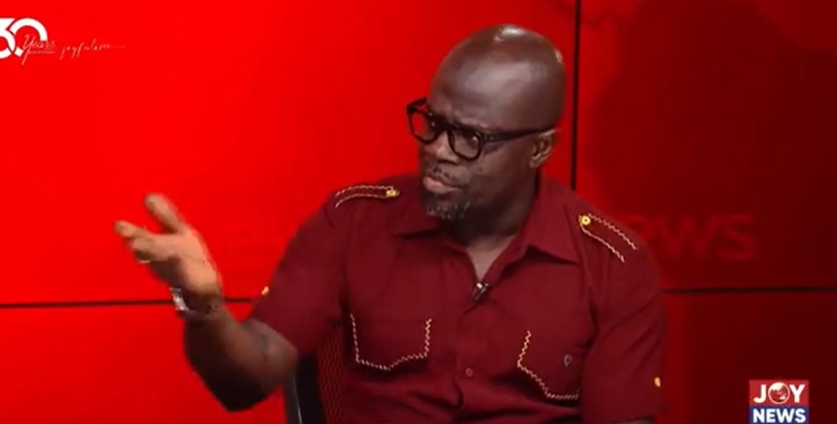
The Dean of the Faculty of Law at the University of Professional Studies, Accra (UPSA), Professor Ernest Kofi Abotsi, has expressed deep concern over the government’s failure to implement the recommendations of the Ayawaso West Wuogon (AWW) Commission report.
He believes this inaction has led to repeated electoral challenges, including issues witnessed in the 2024 general elections.
Speaking on JoyNews’ Newsfile on Saturday, January 11, Prof Abotsi highlighted the persistent nature of these problems stemming from a lack of commitment to the Commission’s findings.
“The fact that a whole commission was set up, recommendations made, and yet two-thirds of those recommendations remain unimplemented is baffling,” he stated.
The AWW Commission, established to address electoral violence and other irregularities after the 2020 elections, proposed practical solutions to enhance election integrity and security. However, according to Professor Abotsi, the government has largely ignored these recommendations, resulting in recurring problems in subsequent elections, including 2024.
“I have been particularly concerned, and in some cases, annoyed at the failure to implement the AWW Commission report. The consequences of the AWW incidents were repeated in the last election and keep getting repeated from one election to another.”
Professor Abotsi emphasized that many of the Commission’s recommendations are “low-hanging fruits” that could easily be implemented to address systemic issues. He noted that the government’s inaction not only wastes the resources spent on setting up the Commission but also perpetuates avoidable challenges.
Professor Abotsi urged the government to revisit the AWW report and prioritise its implementation, stating that doing so would significantly improve electoral outcomes. “Substantially implementing the report will solve a lot of the problems we’ve been facing,” he said.
He also reflected on the broader state of Ghana’s democracy, noting that the 2024 election results, which saw a significant mandate for the new government, reflected the electorate’s desire for change.
“The President’s speech post-election recognized that Ghana is not in the best place, and this acknowledgment is crucial for driving reforms,” he added.
Latest Stories
-
Ghana’s growth rate to exceed 6.5% in 2026 – Databank Research
11 minutes -
Ferran Torres Hat-trick gets PSG title defence off to a winning start
1 hour -
Mac Allister scores winner as Liverpool beat Athletico Madrid
1 hour -
Martin Odegaard hits Arsenal winner to sink Napoli
1 hour -
Messi agrees to buy second Spanish club
3 hours -
Ruthless Raphinha inspires Barcelona to Feyenoord win
3 hours -
Nii Moi Thompson says government must put SMEs at heart of 24-Hour Economy
3 hours -
24-Hour Economy was not born with Mahama’s second term, says Nii Moi Thompson
3 hours -
Apple’s new boss starts with big gamble on costly first folding iPhone
4 hours -
24-Hour Economy was born from Ghana’s 48-year development plan – Nii Moi Thompson
4 hours -
Motorcycle number plates: The growing practice of concealment
4 hours -
Two accused of land guard activities weep in court
4 hours -
Gauff saves match points to set up Rybakina semi-final
4 hours -
Police record seven major breakthroughs in crime fight
5 hours -
Okraku credits Black Princesses technical team for Korea Win
5 hours