

Audio By Carbonatix
Hackers thought to be working for the North Korean regime have successfully cashed out at least $300m (£232m) of their record-breaking $1.5bn crypto heist.
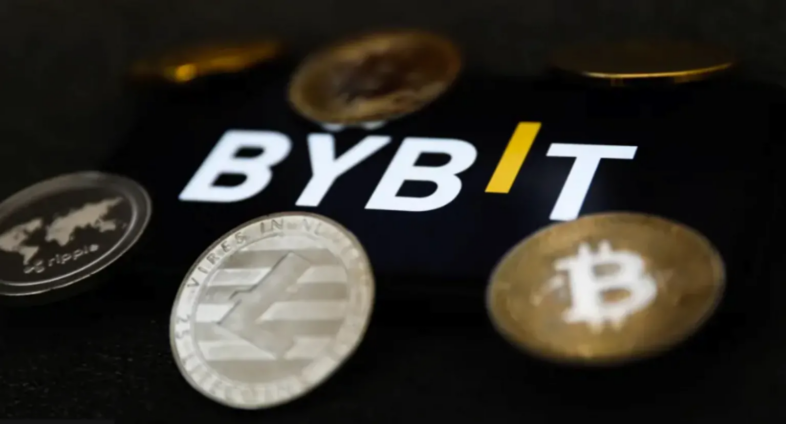
The criminals, known as Lazarus Group, swiped the huge haul of digital tokens in a hack on crypto exchange ByBit two weeks ago.
Since then, it's been a cat-and-mouse game to track and block the hackers from successfully converting the crypto into usable cash.
Experts say the infamous hacking team is working nearly 24 hours a day - potentially funnelling the money into the regime's military development.
"Every minute matters for the hackers who are trying to confuse the money trail and they are extremely sophisticated in what they're doing," says Dr Tom Robinson, co-founder of crypto investigators Elliptic.
Out of all the criminal actors involved in cryptocurrency, North Korea is the best at laundering crypto, Dr Robinson says.
"I imagine they have an entire room of people doing this using automated tools and years of experience. We can also see from their activity that they only take a few hours break each day, possibly working in shifts to get the crypto turned into cash."
Elliptic's analysis tallies with ByBit, which says that 20% of the funds have now "gone dark", meaning it is unlikely to ever be recovered.
The US and allies accuse the North Koreans of carrying out dozens of hacks in recent years to fund the regime's military and nuclear development.
On 21 February, the criminals hacked one of ByBit's suppliers to secretly alter the digital wallet address that 401,000 Ethereum crypto coins were being sent to.
ByBit thought it was transferring the funds to its own digital wallet, but instead sent it all to the hackers.

Ben Zhou, the CEO of ByBit, assured customers that none of their funds had been taken.
The firm has since replenished the stolen coins with loans from investors, but is in Zhou's words "waging war on Lazarus".
ByBit's Lazarus Bounty programme is encouraging members of the public to trace the stolen funds and get them frozen where possible.
All crypto transactions are displayed on a public blockchain, so it's possible to track the money as it's moved around by the Lazarus Group.
If the hackers try to use a mainstream crypto service to attempt to turn the coins into normal money like dollars, the crypto coins can be frozen by the company if they think they are linked to crime.
So far 20 people have shared more than $4m in rewards for successfully identifying $40m of the stolen money and alerting crypto firms to block transfers.
But experts are downbeat about the chances of the rest of the funds being recoverable, given the North Korean expertise in hacking and laundering the money.
"North Korea is a very closed system and closed economy, so they created a successful industry for hacking and laundering and they don't care about the negative impression of cyber crime," Dr Dorit Dor from cyber security company Check Point said.
Another problem is that not all crypto companies are as willing to help as others.
Crypto exchange eXch is being accused by ByBit and others of not stopping the criminals from cashing out.
More than $90m has been successfully funnelled through this exchange.
But over email, the elusive owner of eXch - Johann Roberts - disputed that.
He admits they didn't initially stop the funds, as his company is in a long-running dispute with ByBit, and he says his team wasn't sure the coins were definitely from the hack.
He says he is now co-operating, but argues that mainstream companies that identify crypto customers are abandoning the private and anonymous benefits of crypto currency.

North Korea has never admitted being behind the Lazarus Group, but is thought to be the only country in the world using its hacking powers for financial gain.
Previously, Lazarus Group hackers targeted banks, but in the last five years, they have specialised in attacking cryptocurrency companies.
The industry is less well protected with fewer mechanisms in place to stop them laundering the funds.
Recent hacks linked to North Korea include:
- The 2019 hack on UpBit for $41m
- The $275m theft of crypto from exchange KuCoin (most of the funds were recovered)
- The 2022 Ronin Bridge attack, which saw hackers make off with $600m in crypto
- Approximately $100m in crypto was stolen in an attack on Atomic Wallet in 2023
In 2020, the US added North Koreans accused of being part of the Lazarus Group to its Cyber Most Wanted list. However, the chances of individuals ever being arrested are extremely slim unless they leave their country.
Latest Stories
-
2026 World Cup: Black Stars yet to receive bonuses over tax issues – Sports Minister
22 minutes -
Bawumia targets trade reforms to make Ghana business-friendly
35 minutes -
KNUST warns applicants against fake admission, accommodation agents
40 minutes -
Trump threatens ‘serious tariffs’ on EU over proposal to make Canada ‘associate member’
46 minutes -
Bawumia engages traders over high import duties, demurrage and access to credit
49 minutes -
Black Maidens are not owed any per diems or bonuses – Sports Minister
57 minutes -
Abducted South African journalist found dead with gunshot wounds
1 hour -
New Road Traffic Regulations L.I. 2519 — The full list of offences that could send many drivers to jail
1 hour -
David Adadevoh appointed Editor of the Ghanaian Times
1 hour -
Sudan gold mine collapse kills at least 82 people, with many more missing
1 hour -
Olympic champion rewards 17-year-old Aderemi after stunning 50.95s run
2 hours -
Ghana names 13-athlete contingent for Dakar 2026 Youth Olympics
2 hours -
Outstanding challenges in school placement will be addressed before schools reopen – Education Minister
4 hours -
Akufo-Addo to attend NPP National Delegates Conference as party begins rebuilding process
4 hours -
Today’s front pages: Thursday, September 17, 2026
4 hours