

Audio By Carbonatix
The Bank of Ghana has indicated that infrastructure alone is not enough to build a robust and efficient payment system in Ghana and the rest of the Africa continent.
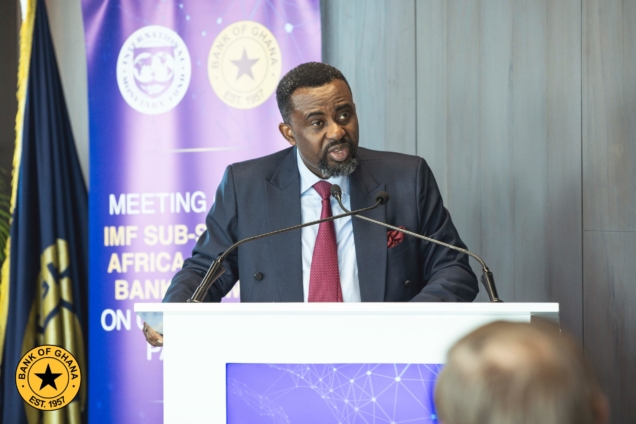
According to the Governor, Dr. Johnson Asiama, policy coherence and regulatory agility must go hand-in-hand to achieve a vigorous and effectual payment system.
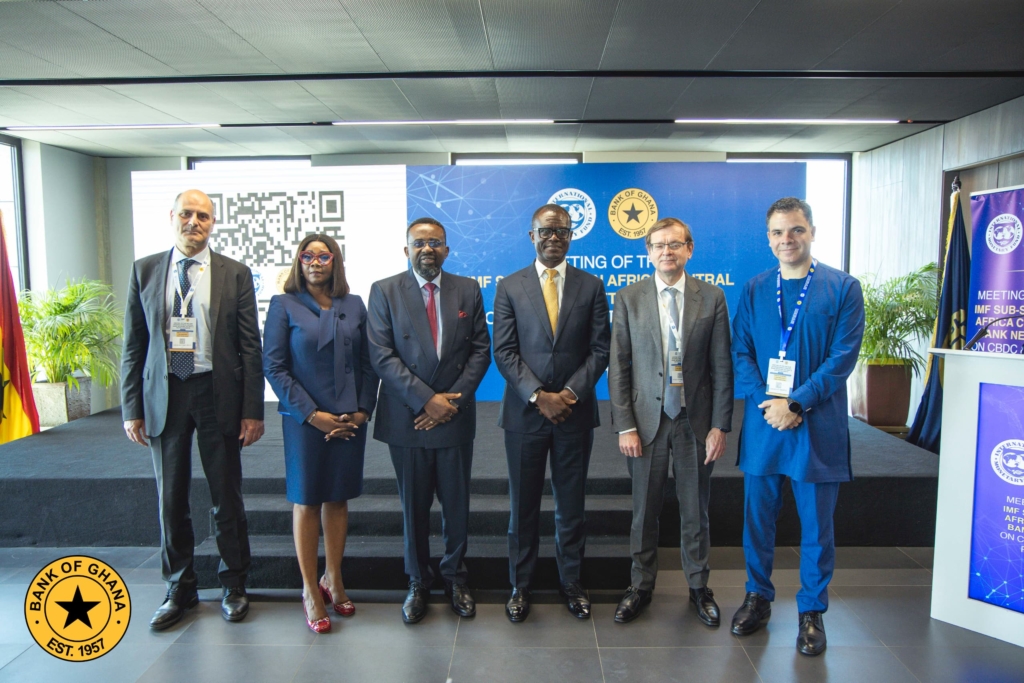
“We see strong potential in tools such as multi-regulator sandboxes, which bring regulators, innovators, and governments into a shared testing environment. Similarly, Supervisory Technologies (SupTech) can enhance real-time compliance monitoring, cross border data flows, and information sharing”, he told Central Bank Governors at a meeting in Accra. Present were the Deputy Director of the International Monetary Fund African Department and Senior Officials from the World Bank and IMF.
“We must also be proactive in shaping international digital standards – in areas such as AML/CFT, digital identity, and data privacy – so that they are inclusive of our contexts rather than imposed from outside. Digital trade agreements, when thoughtfully constructed, can also promote interoperability and trust” he explained.
The Governor added “But as we talk about systems and standards, let us not lose sight of the real human stories behind these reforms. The single mother receiving remittances to keep her children in school. The young entrepreneur seeking payment channels to export their goods. The regulator striving to ensure innovation does not outpace resilience. These are the lives we must center in our work”.
Cross-Border Payments
The Governor continued that cross-border payments in particular, hold immense potential to drive inclusive growth and support livelihoods – yet they continue to face multiple frictions: high transaction costs, slow processing times, limited transparency, and inadequate interoperability.
These challenges, he pointed out, arise from a patchwork of regulatory frameworks, legacy systems, differing time zones, and a lack of alignment on data standards, consumer protections, and compliance protocols.
For the continent, Dr. Asiama said the stakes are high, adding, remittances, often lifelines for families, remain costly and inefficient.
In addition, small businesses struggle with the high friction of cross-border trade settlements, and regulators face growing complexity in balancing openness with oversight.
The seminar will end today May 13, 2025. The Governor urged all to engage in open, forward-looking, and critical dialogue.
Latest Stories
-
Ghana’s mining deaths fall sharply, but Chamber insists ‘three deaths are too many’
3 minutes -
Tatale Sanguli officials destroy expired food products, warn traders
9 minutes -
Police arrest two watchmen over alleged defilement of 14-year-old student
15 minutes -
The woman behind General Mosquito: Could Ghana be meeting its next First Lady?
16 minutes -
Court remands man over alleged Labone bank robbery attempt
20 minutes -
Supreme Court to rule today on challenge to legal vacation warrants
26 minutes -
Tamale Metropolitan Assembly distributes 10,000 bags of fertiliser to farmers
31 minutes -
TUSAAG suspends strike, resumes work after renewed talks with government
35 minutes -
PIAC marks 15 years of oil revenue accountability and transparency
42 minutes -
Adongo calls for non-political interference in $1.46bn Heritage Fund review
47 minutes -
FDA records GH¢70m surplus in 2025 amid concerns over ageing lab equipment
48 minutes -
Arise Ghana demands stronger commitment to end galamsey
50 minutes -
96% of Ghanaian pensioners willing to work beyond retirement age – Study
54 minutes -
Ghana gets nuclear power plant simulator
60 minutes -
Temporary Akosombo power control facility to be ready by September – Energy Ministry
1 hour