

Audio By Carbonatix
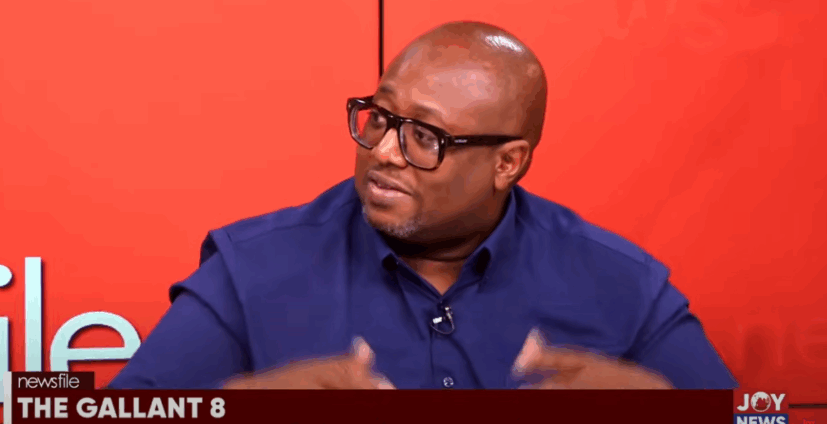
Director of Programmes and Policy Engagement at the Centre for Democratic Development (CDD-Ghana), Dr Kwame Pumpuni Asante, has explained that Ghana’s secular status does not mean religion has no place in public life, but rather that all faiths must be treated equally.
Speaking on JoyNews’ Newsfile on Saturday, August 16, Dr Asante said many Ghanaians often misunderstand what it means for the country to be secular.
“Sometimes we misconceive the whole idea. When we say Ghana is a secular state, it is not the absence of religion. It is the equal treatment of all religious faiths,” he said. “The Constitution accepts that people have different faiths, so whatever relations you are going into, you don’t discriminate against anybody.”
He noted that Ghana has generally enjoyed peaceful coexistence between different religions, both among citizens and in the state’s dealings with faith groups. According to him, this has spared the country from the kind of religious conflict witnessed elsewhere.
Dr Asante, however, expressed concern about the growing trend of state officials appearing to give space to so-called prophets who make predictions about accidents or disasters. He described this as a misuse of taxpayer resources and a potential source of confusion.
“If there are ten prophets today, and you create a platform for them, by tomorrow there will be 2,000, because what you are doing is incentivising charlatans. There is no punishment for false prophecy, yet it gives them a reputation and sometimes access to power,” he warned.
Instead of providing such recognition, he suggested that faith groups themselves should strengthen self-regulation, as has been done in other traditional institutions. “Faith has its own traditions. Pastors have their own traditions. Let people be able to use that same information that everybody knows to say, this is right and this is wrong,” he said.
Dr Asante further argued that state regulation of prophecy would be unworkable and counterproductive. Rather, he said, efforts should focus on accreditation, training and self-monitoring within religious institutions.
“For me, I don’t see the value in the state stepping in. We have very good structures already, and it is better to build on those,” he added.
This follows the Presidential Envoy's request to religious leaders to submit their prophecies for review before they are made public. The Presidential Envoy, Elvis Afriyie Ankrah explained the move was aimed at sanitising the space and preventing fear-mongering.
Latest Stories
-
Parliament must investigate how 3.9 tonnes of cocaine left Ghana undetected – Samuel Jinapor
44 seconds -
Government pledges to pay striking teachers as payment dispute is resolved
15 minutes -
Government cannot investigate drug exports under its own watch – Abu Jinapor
17 minutes -
Government extends GH¢2 diesel subsidy for two more months
24 minutes -
GTEC flags over 100 tertiary institutions as unrecognised
26 minutes -
Agric Committee chair commends NAFCO for turnaround from GH¢20m debt to GH¢96m profit
31 minutes -
NPP: Judicial office requires judges to surrender some personal freedoms
36 minutes -
Senyo Hosi: Ghana missed its chance to end galamsey under Akufo-Addo
42 minutes -
Okaikwei Central MP alleges Ghana was close to settling Tullow tax dispute for $150m
44 minutes -
Patrick Boamah credits Godfred Dame for Ghana’s victory in $400m Tullow tax arbitration
47 minutes -
Dr Jasaw calls for National Agriculture Development Fund to accelerate food systems transformation
51 minutes -
Armah-Kofi Buah honoured for developmental initiatives in Aiyinasi-North
55 minutes -
Agbodza didn’t accuse Adom Kyei’s church of blocking road — Spokesperson
1 hour -
Tema native petitions EOCO over GH¢889,000 payment
1 hour -
VIP Jeoun Service opens new terminal in Ho, expands transport network
1 hour