

Audio By Carbonatix
A recent mixed-methods study conducted in a suburb in the heart of Accra, led by a colleague describes how urban diets in Ghana are changing. Once rooted in fresh, homemade meals and traditional ingredients, food habits in low-income urban communities are rapidly shifting toward processed, high-fat, and sugary diets. And with this shift, non-communicable diseases like obesity, diabetes, and hypertension are becoming more common.
From What Was to What Is
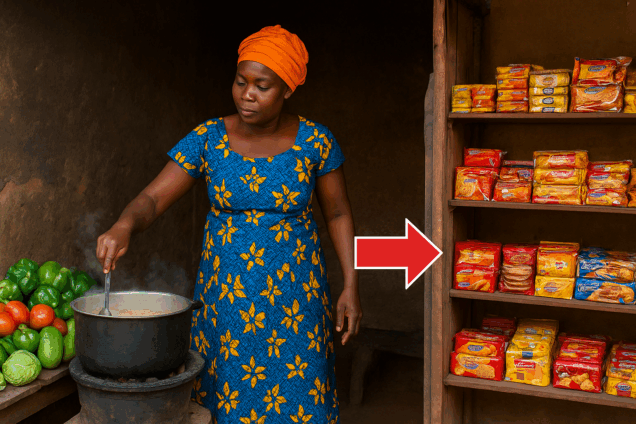
In the past, urban diets in Ghana were largely based on traditional staples like cassava, yam, plantain, corn, and millet. Meals were often homemade and prepared with fresh ingredients. Things are changing. Today, many urban households rely on purchased foods, including instant noodles, fried snacks, sugar-sweetened beverages, and white rice. Protective foods like fruits, vegetables, legumes, and nuts are consumed far less frequently. The study found that while residents do eat some healthy foods like grains and vegetables, their consumption of protective foods such as pulses, nuts, vitamin A-rich produce, and fruits is alarmingly low. Instead, deep-fried items, red meat, and sugary drinks dominate meals, particularly among younger adults. This transformation in both what people eat and how they get and prepare their food has serious consequences for diet quality.
Why are diets changing?
The study identified several major factors contributing to this shift in food habits;
- Urbanization and market reliance: As Accra grows, local farmlands have given way to buildings. Residents now depend heavily on market-supplied foods, many of which are ultra-processed.
- Time and cost pressures: For many households, it is cheaper and faster to buy food from vendors than to cook at home. This shift has led to a reliance on street food, which is often high in oil, salt, and additives.
- Loss of communal eating and cooking skills: Traditional practices like communal cooking and sharing meals are fading. Younger generations have less time and fewer skills to prepare nutritious meals from scratch.
- Food contamination fears: Concerns about pesticides and chemicals in produce have made people wary of fresh fruits and vegetables, further reducing their intake.
What needs to change?
The study’s findings are a wake-up call for health authorities, policymakers, and everyday Ghanaians. To reverse the trend:
- Promote local, fresh foods: Fresh produce should be made more affordable and accessible, especially in urban poor areas.
- Invest in food and nutrition education: Schools, community centres, and media can help teach cooking skills and the importance of a balanced diet.
- Tax the bad, support the good: Taxes such as the sugar tax could reduce demand for sugary beverages, while subsidies could make healthier options cheaper.
- Strengthen community initiatives: Ongoing projects working with local groups to raise awareness should be supported and expanded to reach more people.
A turning point for urban nutrition
The shift in food habits in urban Accra and Ghana for that matter, reflects a broader trend seen in many urban centres across Africa and indeed globally. While modernization and globalization bring new conveniences, they also introduce hidden health risks especially when processed foods crowd out traditional, nourishing meals. Food is more than fuel, it is a cornerstone of culture, identity, and long-term health. Reclaiming healthy food traditions, investing in food education, and making nutritious options affordable could be the key to reversing this unhealthy trend. Once again kudos to my colleague and sister for this great publication (reference below).
Reference
Kushitor, S. B., Okoibhole, L., Vaughan, M., Adjaye-Gbewonyo, K., Kretchy, I. A., Sanuade, O. A., ... & Grijalva-Eternod, C. S. (2025). Changes in food quality and habits in urban Ghana: evidence from a mixed-methods study. BMC Public Health, 25(1), 1-14.
Click here to join Full Proof Nutrition WhatsApp channel to receive more educative content. Send us a mail on fullproofnutrition@gmail.com
Written by Dr. Laurene Boateng (PhD, RD)
Dr. Laurene Boateng is a Registered Dietitian and Senior Lecturer in the Department of Dietetics, University of Ghana. She is the founder and editor-in-chief of Full Proof Nutrition, a Nutrition Consultancy committed to providing reliable, evidence-based, and practical healthy eating advice through its website www.fullproofnutrition.com. Click here to join Full Proof Nutrition WhatsApp channel to receive more educative content. Send us a mail on fullproofnutrition@gmail.com
Latest Stories
-
Total expenditure as of July 2026 amounted to GH¢147.07bn, 16% below target – BoG
36 minutes -
Total revenue & grants stood at GH¢144.5bn in July 2026, slightly below target – BoG
52 minutes -
Ghana Sports Fund urges sports federations to submit credible proposals and measurable targets
56 minutes -
Sally Rooney books withdrawn in UK over Palestine Action support
1 hour -
Musk says US government may be behind slowdown of Ukraine drone speeds
1 hour -
Picking Chief Justices nearing retirement could give Mahama immense power – Bentil
1 hour -
Netflix to shed 1,000 jobs in steepest cuts since 2022
2 hours -
Burnham had two hospitality dinners with Man City chairman, deleted records show
2 hours -
Semenyo ‘froze’ after alleged racist abuse, court told
2 hours -
‘Shameless’ – Mourinho critical of Vinicius Jr ban timing
2 hours -
Loyalty can outweigh competence in Chief Justice selection – Bentil
2 hours -
Man City suffer as PSG masterclass sets up Champions League win
3 hours -
Customer Service Africa CEO urges business leaders to observe staff and customer interactions
3 hours -
On night of mayhem for Liverpool, Barcola arrives in style
3 hours -
Muzic Mensah finds healing and renewed love in new single ‘WayƐ Late’
3 hours