

Audio By Carbonatix
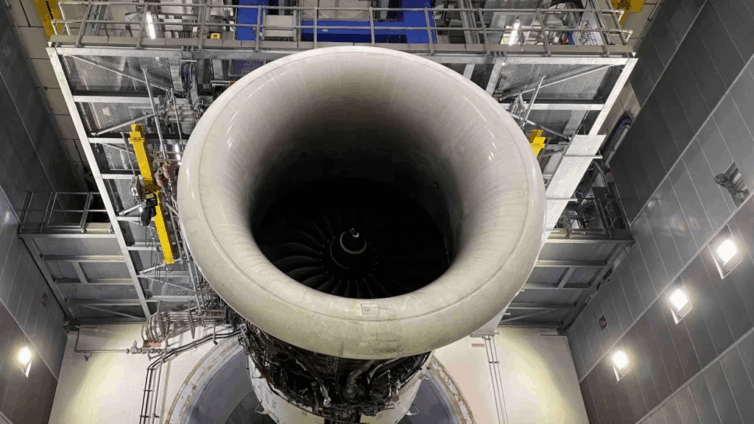
Rolls-Royce is testing new technology in Derby in a bid to prevent sand and dust damaging its jet engines.
The issue has affected airlines operating across the Middle East, which is one of the company's most important markets.
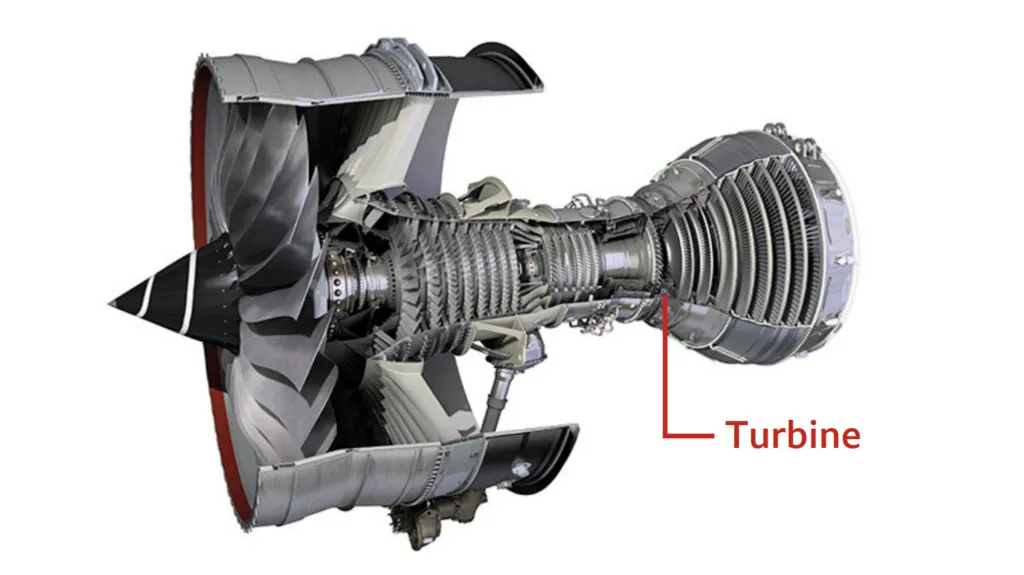
Sand and fine dust which are ingested during take-off can enter the hottest parts of an engine, causing it to corrode, and can make the engine even hotter when coolant holes become blocked.
The issue does not affect flight safety, but it reduces efficiency and increases the frequency of maintenance, as the coating around the engine parts can wear out quicker.

Pat Hilton, Rolls-Royce's head of test facilities, said: "The dust can penetrate the hottest parts of the engine and wear that part out at a quicker rate than it would if it wasn't flying through sand."
Under the testing programme, the firm has changed the metals the parts are made of to make them more resistant to heat and the corrosive effects of dust.
In addition, it has changed the location of some of the coolant holes so they are less likely to become blocked.
The work is part of a wider £1bn durability programme which covers several engines, including the Trent XWB-97, the company's most powerful engine and one that runs hotter than its other models.
The testing is taking place in three phases at Rolls-Royce's Testbed 80 facility in Sinfin.
Engines tested in the first two phases are back in service and able to fly 60% longer between overhauls, according to the company.
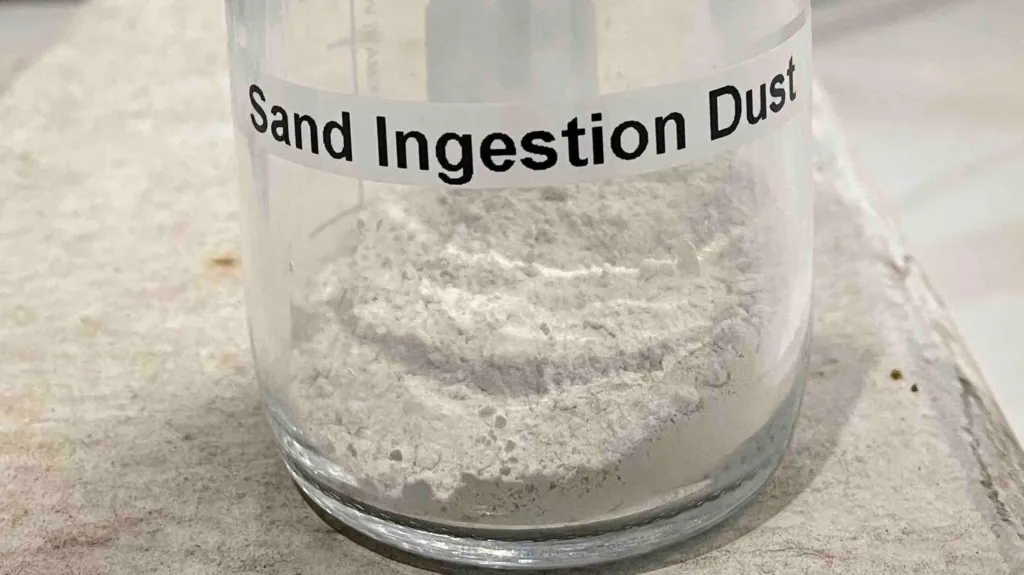
As part of the work, the University of Manchester produced a synthetic dust which matched the fine, talcum powder-like particles found in the Middle East.
Mr Hilton added: "What we're looking to do by enhancing the fleet is to fly [the engines] for double the length of time.
"It is fantastic being part of that journey knowing that something we have been doing today will run for many years to come."
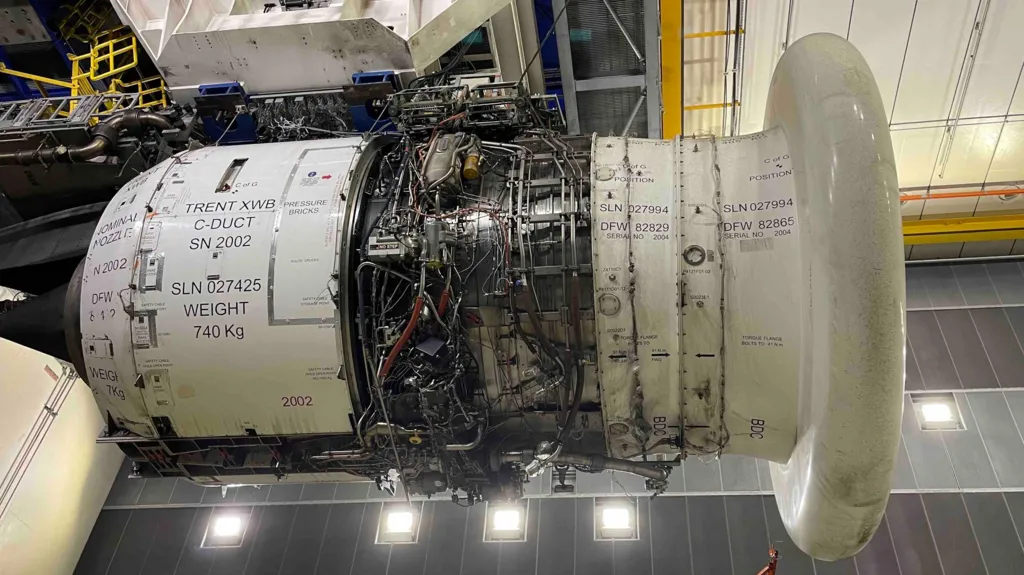
A Trent engine is currently able to fly the equivalent of 500 times around the world before key parts need to be replaced.
This is expected to double when final testing is completed in 2028.
Last year, Emirates Airline president Sir Tim Clark questioned the durability of the Trent XWB-97, which powers the Airbus A350.
The Airbus is used long haul by the likes of Emirates and Etihad.
Rolls-Royce said its ongoing programme was addressing the issue across the fleet.
Latest Stories
-
Mahama arrives in Egypt for AU summit and inaugural Alamein Africa Forum
11 minutes -
How the NPP and NDC undermine the GFA, then demand accountability
42 minutes -
Godfred Dame questions 2-night EOCO detention of Baffour Awuah over GH¢2.2m legal fees
49 minutes -
GH¢1.64bn NHIS claims paid in 2026 as Private Health Facilities welcome improved reimbursements
56 minutes -
Blue Medics champions healthy ageing at Akuapem North older persons commemoration
1 hour -
NPP elects national executives today in Kumasi ahead of election 2028
1 hour -
Godfred Dame accuses EOCO, CID, AG of using state power to punish political opponents
1 hour -
Walter Mosley visits W.E.B. Du Bois Centre in Accra: A New York Secretary’s homecoming story on where Du Bois spent his final years.
3 hours -
MTN set to deploy 5G services after winning spectrum licenses worth US$202m
6 hours -
NPP national elections: 3,000–4,000 police to handle security, traffic in Kumasi – Karbo
8 hours -
Atta Akyea fumes as Manhyia MP is to spend another night in EOCO custody
8 hours -
SSNIT says La Beach clearance was to protect hotel investments, beaches to remain public
9 hours -
APSU congratulates St Augustine’s College after back-to-back National Investment Quiz wins
9 hours -
Renewed flood intervention at Mallam Junction raises hopes among residents, businesses
10 hours -
St Augustine’s College retain National Investment Quiz title after nail-biting grand finale
10 hours