

Audio By Carbonatix
A joint study by researchers at the Koforidua Technical University and the Kwame Nkrumah University of Science and Technology (KNUST) has uncovered disturbing levels of cyanide and lead in cassava produced from reclaimed gold mining fields in Pameng and Gyadam in the Eastern region of Ghana.
This startling finding raises concerns over the health risks on consumers, especially on how safety checks are overlooked in unprocessed foods and raw crops like cassava before reaching the market and dining tables.
RECLAMATION AND ILLEGAL MINING
Illegal small-scale mining, known as galamsey, has left many major water sources polluted, farmlands destroyed, forest reserves depleted, whilst wildlife habitats struggle for sustenance.
This menace has left Ghana’s ecological landscape on its feet, at the mercy of reclamation.
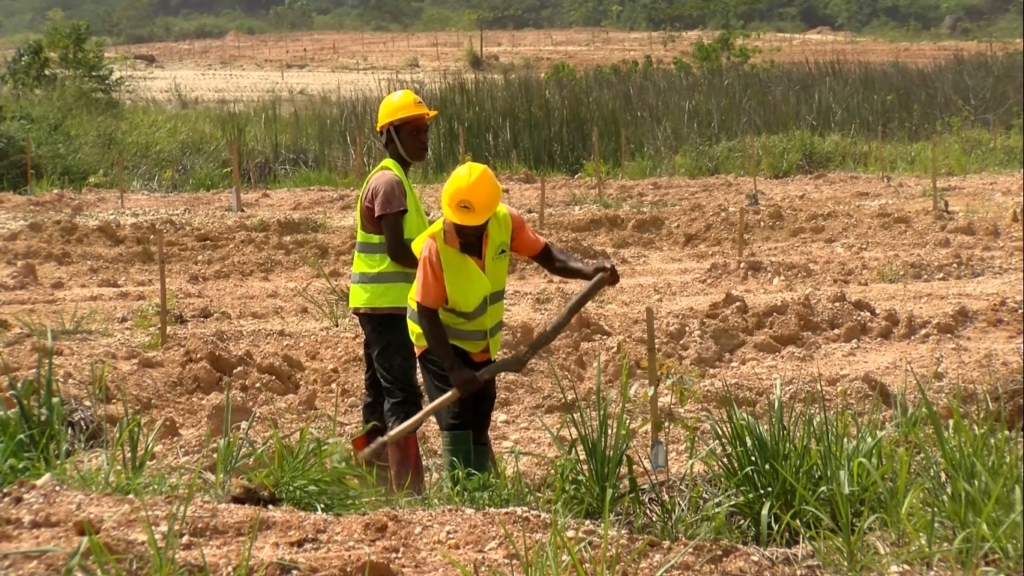
“They are washing mining residue into streams and rivers, which go deep into the surrounding environment, farmlands, and into underground water. And so, by poisoning the water sources, we are poisoning the entire farming area, where we live, and spreading contaminants across. And this is backed by research,” said Journalist and Environmental advocate, Erastus Asare Donkor.
Land reclamation has become the major pathway to covering mined pits, replanting trees, and rehabilitating degraded farmlands to save community ecosystems.
The fight against galamsey could cost $10 billion, which includes reclamation strategies as explained by the Minister for Lands and Natural Resources, Emmanuel Armah-Kofi Buah.
Despite these efforts and intended investments, the effects of illegal mining cannot be entirely extinguished and subsided.
When the pits are covered and trees are planted, what happens to the toxic substances such as mercury and cyanide, trapped in the soil?
They slowly leach into crops and agricultural products.
THE CASSAVA STORY
With a yield of an estimated 22 million metric tons in 2019, cassava is undoubtedly one of Ghana’s most important root crops.
According to the Ghana Export Promotion Authority, over 70% of farmers engage in cassava production.
In homes, it is peeled, pounded, grated or fried into delicacies that end up on dining tables, chop bars, and restaurants without interrogation of where it comes from, how it is grown and the quality it possesses.
Its white flesh leaves no hint of its chemical components.
Two communities in the Eastern region, Pameng and Gyadam, have a long history of illegal small-scale mining and are also notable growers of food crops, including cassava.
Reclamation efforts reached the enclaves, healing the soil on the surface for farmers to plant again.
However, chemicals used for mining remained for years, if not decades in the soils, diffusing into cassavas grown within these areas; as revealed by research.
The results of this research struck an unsettling chord.
“The nutritional quality of cassava roots from the reclaimed and non-mine sites was comparable; however, those from reclaimed mine sites had unacceptable levels of cyanide and heavy metals, indicating possible safety issues concerning their consumption,” Dr Yaw Gyau Akyereko, lead researcher, said.
WHAT SCIENTISTS FOUND
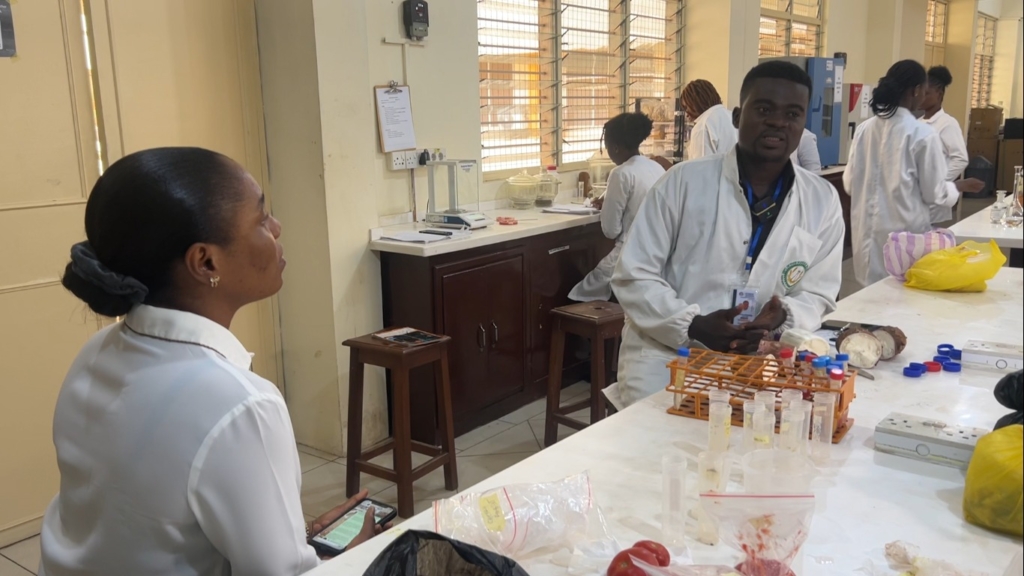
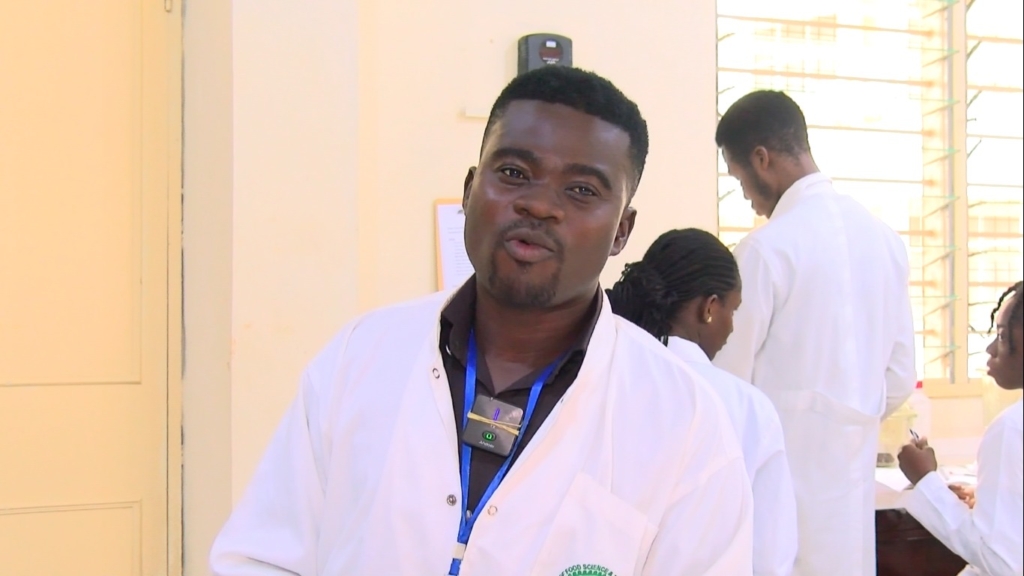
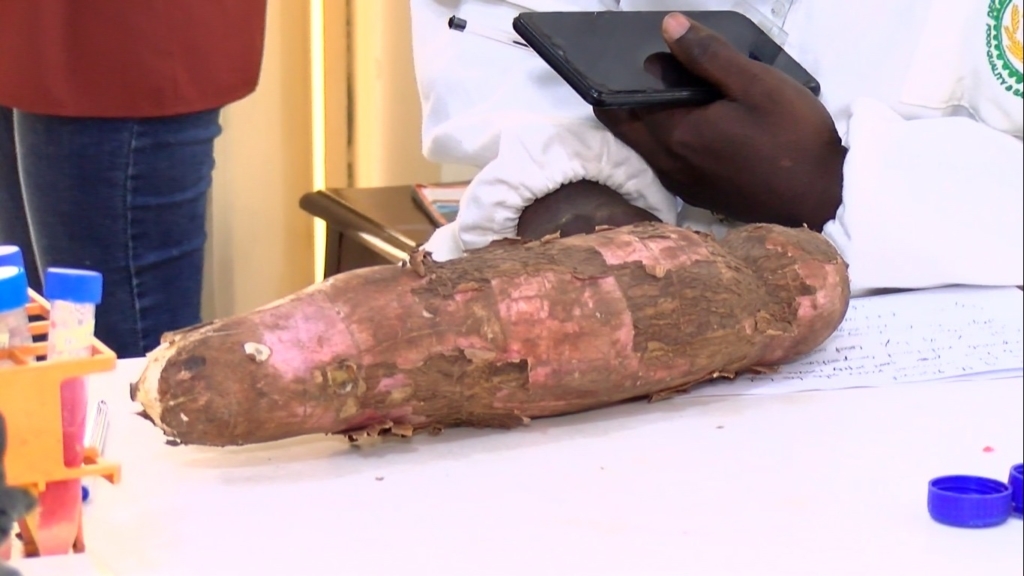
Using standard laboratory methods, the team compared cassava from reclaimed mining sites and non-mining fields, testing for moisture, fat, protein, heavy metals and cyanide.
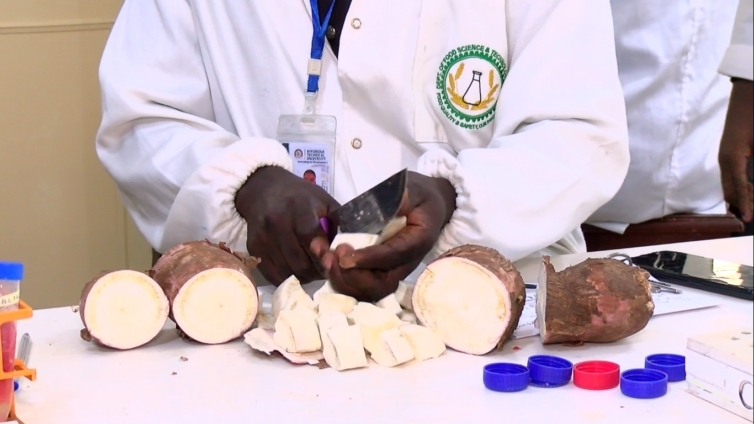
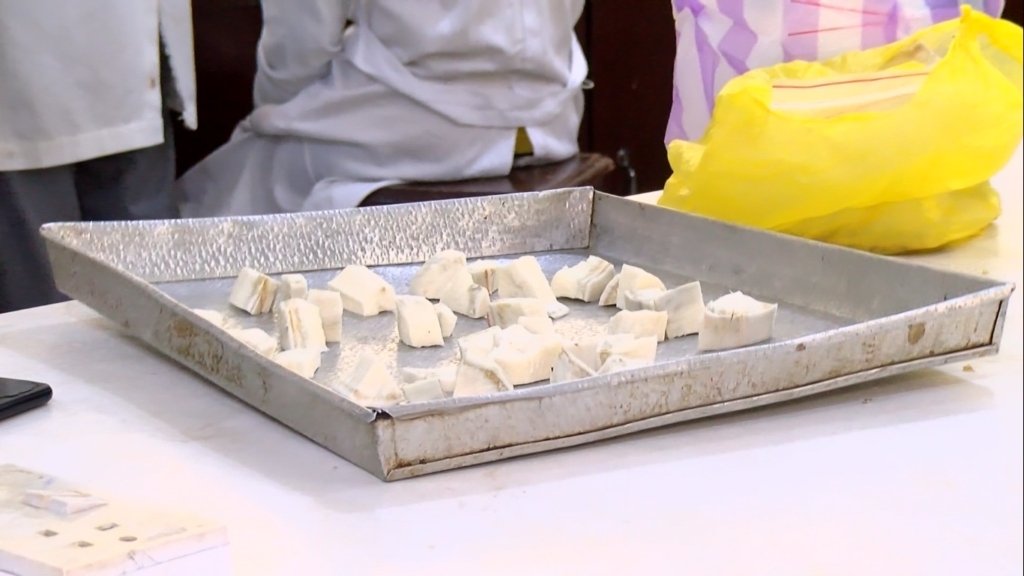
“We cut open the cassava, dried it, and began the laboratory analysis,” the researcher said.
Their findings revealed that, just as nutrients, including fat and protein levels, were high, so were the toxins.
Levels of heavy metals, including Lead, exceeded safe limits in cassava grown on reclaimed mine lands.
Similarly, Cyanide levels were far above safety thresholds in reclaimed mine sites.
Those from non-mining areas also exceeded permissible limits.
This means all the cassava tested, both from mining (concentrations ranged from 61.05–156.07 mg/kg) and non-mining zones (concentrations ranged from 41.76–79.04 mg/kg), fell outside safe consumption levels.
The effects of these metals in the human body are fatal.
“The toxic heavy metals are dense and difficult to remove or wash away. After consumption, consumers have tendency of undergoing through oxidation; radicals that can cause cancers, paralysis-linked neurological disease, and dysfunction. Infants may suffer from anaemia, constipation and fatigue; mental issues and dysfunction of the respiratory system,” said Dr Gyau Akyereko.
FARMERS REALISATION AND SHOCK
At Pameng, a middle-aged farmer, Samuel Kwabena Owusu, has been on his farm for 18 years, watching it produce abundant yields, until galamsey emerged in the community.
Illegal mining forced him to close the cultivation seasons abruptly.
“When the galamsey started, we stopped planting cassava for ten months, plant after ten months, because if we rush, we may suffer from the chemicals they use,” he said.
Although the heavy metal contents are not visible to the eye, Owusu has long suspected the effects mining activities are having on the quality and quantity of food he produces.
“When the dirty oils they use seep into the soil, they go deep, and whatever you plant gets destroyed. We used to harvest big quantities, but when galamsey came, the harvests became small, and now you can’t harvest much like before,” he indicated.
Owusu’s plight ties with the research findings, exposing the deep-rooted character of illegal mining; not only in farms and on farmers.
Farm produce gets to markets across the region.
Cassava in Ghana is consumed in different ways and forms. Whilst it could be boiled and pounded into fufu, or grated into powder for “kokonte” or fried into gari, consumers may not be escaping the ripple effects of contaminated cassava.
FOR FOOD LOVERS
Raw agricultural produce like cassava does not routinely go under tests by the Food and Drugs Authority (FDA).
So, at food joints and homes, regular customers consume food crops without suspecting.
A regular fufu consumer, Ofori expresses his love for the delicacy, but is hit with disbelief of the new development.
“Even though chemicals may be in the cassava crops, we will reduce how often we eat fufu, but not stop entirely. Cassava is largely consumed, so stopping completely would be difficult. What is needed is to address the root cause and deal with this properly,” he said.
Other consumers expressed utmost shock, saying that “we don’t know if there are chemicals in the crops, and we may end up eating them and facing the consequences later".
But in all this, will the lands ever be free from these toxins? And will the food ever be rid of the chemicals?
Dr Yaw Gyau Akyereko implies that the longer the reclamation period, the safer the land, but calls for a ban on farming in these areas within such periods.
“There hasn’t been any further study to ascertain. But based on our findings, the longer the reclamation period, the lower the levels of cyanide and lead.
“Until the time we have concluded that the land is safe to use, it’s important that there is a temporary ban on cultivation on reclaimed lands,” he said.
Less cultivation means limited farm lands for commercial and smallholder farming.
But Dr Yaw Gyau Akyereko recommends that, “there are other variants of cassava that can be cultivated to produce double yields to make up for the losses."
He suggested that adding lime, reintroducing soil microorganisms and planting remediation are key in helping to leech the heavy metals organically from soils.
“Organic materials help to improve social structure, helping in leeching the heavy metals and synod components. Lime is also good to reduce the levels. So, it’s important that those are factored into the reclamation process,” he said.
RESEARCHERS CALL FOR ACTION
The study forces Ghana and the agricultural sector to confront a difficult question of what alternatives are available to the country.
At the back of the recommendations, including long-term soil rehabilitation, consumers call for stricter enforcement to clamp down on illegal mining.
“We will plead with the government and all the authorities involved to implement proper measures to mitigate the use of heavy metals in mining and illegal mining, in order to protect the public from this danger,” they said.
Meanwhile, environmental advocate Erastus Asare Donkor has warned that the detrimental effects are not far from home.
He challenges authorities to take decisive actions, revealing that the country is dining on a ticking bomb.
“I have said this so many times that we are playing with fire. When it comes to contaminating our food chain, it is happening and it is real. I have seen some government ministers trying to downplay or belittle this practise. But this is a very dangerous practise we are joking with, we are toying with. If we do not end cyanide leaching by small-scale illegal miners across the country, we are in for a very dangerous precedent,” he warned.
Whether Ghana chooses stricter monitoring, improved reclamation, or crop diversification, one thing is clear: this is a critical national issue for reflection.
Latest Stories
-
Hohoe floodwaters recede, leaving over 5,000 homeless
6 minutes -
Three arrested after drones allegedly flown over EOCO headquarters during Baffour Awuah probe
6 minutes -
Gender Ministry urges Ghanaians to see older persons as contributors, not beneficiaries
10 minutes -
Flydubai passenger describes hugging his children as plane nosedived during attack
10 minutes -
Africa’s richest man launches Kenya oil refinery despite land protests
11 minutes -
CSOs urge government to review 10,000 sq km offshore gold licences over fisheries concerns
11 minutes -
National Ambulance Service treats 8 casualties after Avenor fire in Accra
12 minutes -
Former Duffuor spokesperson, Antonio Asinyo enters NDC Youth Organizer race
14 minutes -
Zimbabwe tycoon Wicknell Chivayo and wife killed in helicopter crash
15 minutes -
Russia targets busy bridge in central Kyiv in broad daylight
15 minutes -
Putin shows no sign of stopping the war as Russia doubles down on Ukraine
17 minutes -
Gov’t outlines measures to support Ghana’s growing population of older persons
18 minutes -
Star Oil rejoins COMAC, calls for reforms to governance structure
24 minutes -
Norwegian government strengthens soybean value chain to expand market access for farmers
25 minutes -
NPP diaspora executives back proposal to allow dual citizens to contest parliamentary elections
27 minutes