


Audio By Carbonatix
The Aga Khan University (AKU) has met with senior officials from the United Nations agencies in the health sector to advance preparations for the World Health Summit Regional Meeting (WHSRM), which Kenya will host in April 2026.
The meeting focused on strengthening collaboration, aligning institutional priorities and shaping the Summit as a platform for African-led health systems reform.
Officials from the UNICEF, the WHO, the UNFPA, the UNAIDS & UN Women, also known as the H6 were joined by the International Organization for Migration. The team welcomed Aga Khan University’s leadership in convening the Summit and underscored Nairobi’s importance as a regional hub for multilateral health engagement.
Dr. Shaheen Nilofer, UNICEF Representative to Kenya, noted the strategic alignment between WHSRM themes and UN priorities. “Hosting this Summit in Nairobi puts Kenya firmly on the global health map,” she said. “The themes strongly align with the H6 and the Every Woman, Every Child agenda, offering a powerful opportunity to bring together practitioners, policymakers and partners around shared priorities.”
Prof. Lukoye Atwoli, Dean of AKU’s Medical College in East Africa, briefed partners on the Summit’s structure and eight thematic areas, stressing its ambition to generate practical, evidence-based outcomes.
“Africa must shift from isolated projects to systems-level change,” he said. “The Summit will convene policymakers, civil society, researchers, and the private sector and development partners around measurable solutions and elevate Africa’s voice in global health conversations,” said Prof Lukoye who is also the International President of the World Health Summit Regional Meeting.
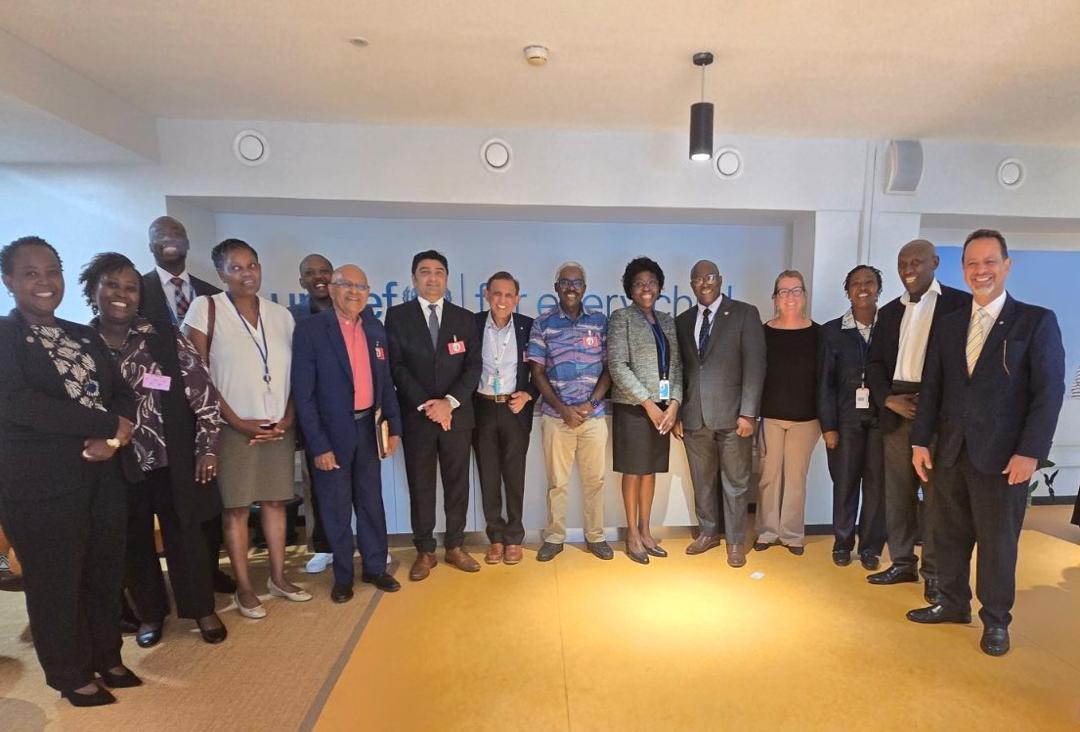
Joining Prof Lukoye from AKU were Aga Khan University Hospital CEO Rahid Khalani, Brain and Mind Institute Director, Prof. Zul Merali, Director of the Cancer Centre Prof Mansoor Saleh and Director of University Advancement, Arif Neky among other officials.
The meeting underscored the shared recognition that Africa’s rapidly changing health landscape requires deeper collaboration and more coordinated investment. Discussions covered several priority areas, including adolescent health, cancer research and genomics, mental health, local pharmaceutical manufacturing, health security, and the commercial determinants of health. AKU experts’ highlighted ongoing work in cancer genomics, mental health epidemiology and health innovation, while UN agencies expressed interest in co-hosting sessions, report launches and side events at WHSRM Nairobi.
Participants noted the importance of strengthening the role of research and data in informing policy, particularly in areas where African populations face unique challenges, such as genetic variations in cancer, mental health stigma, and gaps in access to essential medicines. The meeting also emphasized the need to involve youth, civil society and the private sector more deliberately, recognizing their role in shaping sustainable, long-term health systems.
There was broad acknowledgement that Kenya’s growing health innovation ecosystem, spanning digital health, biotechnology, community health, and regulatory reform offers a strong foundation for hosting a Summit of global and regional significance. Participants also noted strong support from the Government of Kenya, including plans for an AU-led Head-of-State segment and a ministerial convening during the Summit.
The meeting follows an AKU-led donor roundtable on financing integrated African health systems, reflecting growing momentum among regional and global partners. Taken together, these engagements demonstrate increasing alignment among governments, academia, development partners and the private sector around accelerating African-led health systems reform.
As a regional health summit, WHSRM Nairobi is expected to align with key developments in Ghana’s health sector. The 2025 national budget increased health sector funding by 13.4%, with GH₵17.82 billion allocated to the Ministry of Health, including support for the National Health Insurance Scheme to expand access to essential services. Additionally, the National Health Insurance Authority is rolling out digital programs to improve efficiency and enrolment. These advancements position Ghana to benefit from the Summit’s insights and partnerships in strengthening health systems, insurance coverage, and digital health.
Latest Stories
-
Ignatius Kwesi Afrifa elected NPP Western Regional Chairman
3 minutes -
Galamsey will be a key issue for NPP’s 2028 campaign – Annoh-Dompreh
9 minutes -
Makafui Woanyah retains NPP Volta Regional Chairmanship
13 minutes -
Ghana Law Society announces maiden annual Bar conference for September 30
16 minutes -
Abronye DC retains NPP Bono East Regional chairmanship
31 minutes -
NSMQ 2026: Check out the 147 schools battling in 49 preliminary contests
35 minutes -
NPP rebuilding to reclaim parliamentary seats lost in 2024 – Annoh-Dompreh
47 minutes -
GoldBod has not made GH₵1.7bn loss – Prof Ebo Turkson
1 hour -
Legal vacation trials involving politicians raise fair play concerns – Baffour Awuah
1 hour -
‘It should have been negotiated’ – Dafeamekpor on lawyers’ dispute with CJ over vacation hearings
2 hours -
Ablakwa announces special bonus for passport staff after GSS ranks service among least corrupt institutions
2 hours -
Mövenpick Ambassador Hotel will deepen community engagement as it marks 15 years – General Manager
2 hours -
Mad rush for GH¢15 KFC deal as massive queues hit branches nationwide
2 hours -
Firefighters contain raging fire at Labadi Wireless
2 hours -
Photos: Police engage religious leaders at National Police Headquarters
3 hours