

Audio By Carbonatix
The Centre for Democratic Development (CDD-Ghana) and key stakeholders in the Upper West Region have called for a comprehensive improvement of Ghana’s local governance architecture, warning that the mere election of Metropolitan, Municipal, and District Chief Executives (MMDCEs) will not cure the deep-seated structural deficits at the local level.
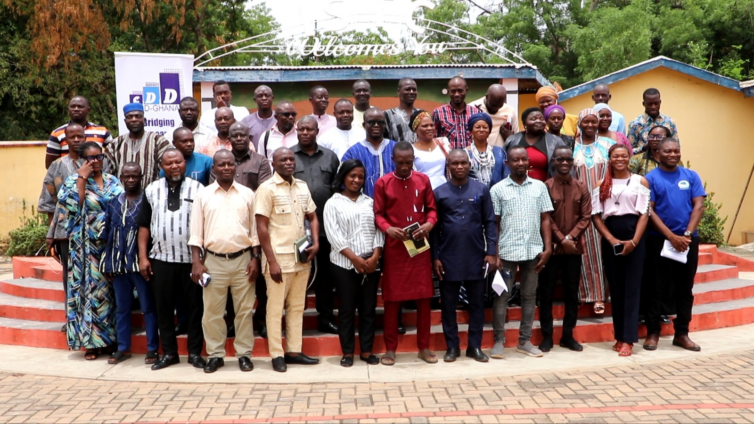
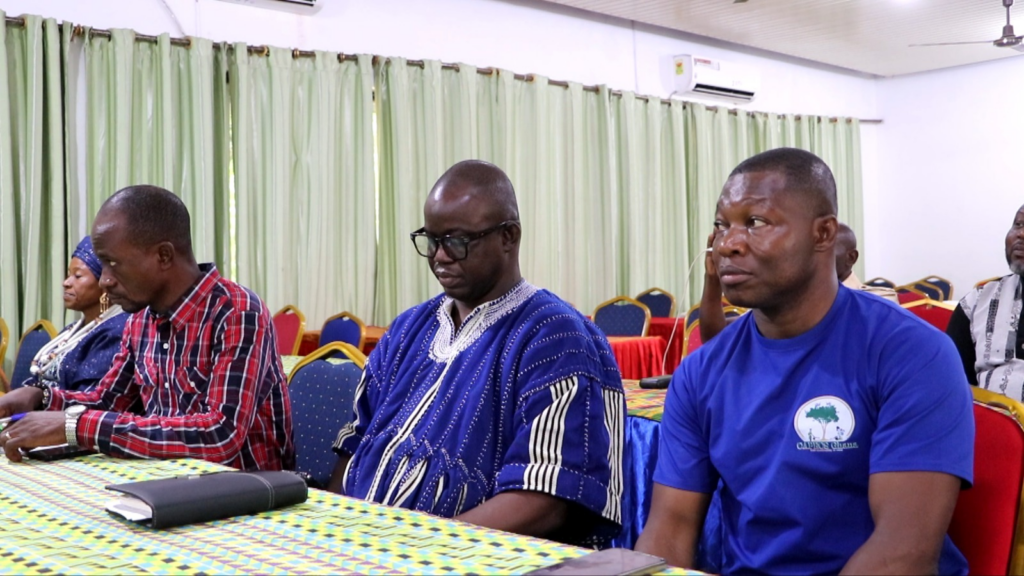
During a stakeholder engagement at the Wa In-Service Training Centre to disseminate research findings on local governance, traditional leaders, civil society organisations, and local assembly officials reached a strong consensus: the election of MMDCEs must be strictly non-partisan and accompanied by vital administrative and financial reforms.
Paul Nana Kwabena Aborampah Mensah, Programmes Manager for Local and Security Sector Governance at CDD-Ghana, indicated that while electing local leaders remains a critical demand by citizens, supplementary reforms are non-negotiable for the assemblies to function effectively.
"We need to elect our MMDCEs, but the election alone will not solve local governance problems. We need to have supplementary reforms, including revamping the local government sub-structures, empowering sub-committees, and improving Internally Generated Funds (IGF) collection," he stated.
Setting the context for the findings, Research Analyst at CDD-Ghana's Tamale Office, Paul Suhuyini Salifu traced the current bottlenecks back to the framing of the 1992 Constitution.
He argued that three decades of implementation have exposed severe challenges, with local assemblies depending on the central government for about 95 per cent of their funding needs.
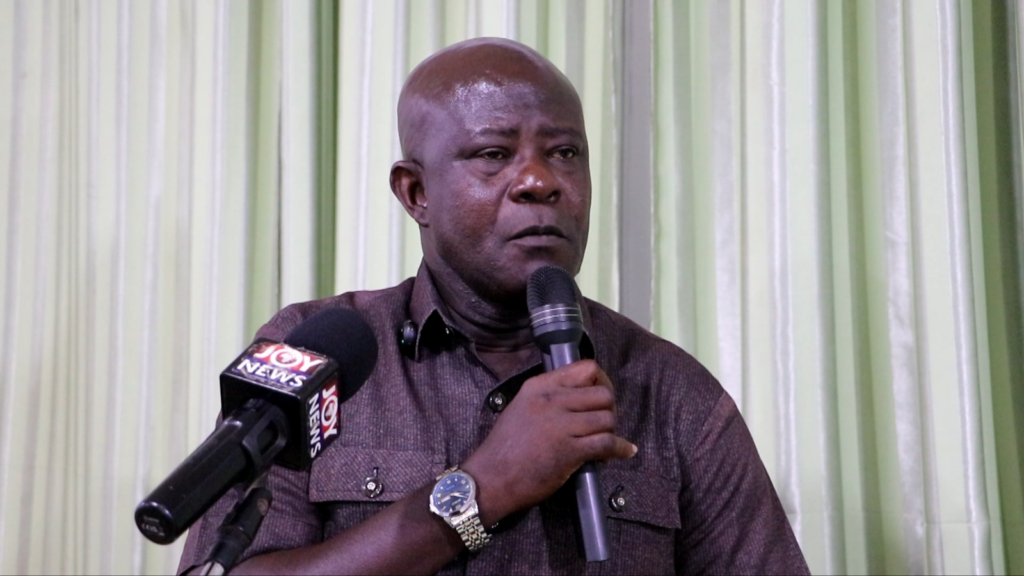
Mr Salifu revealed that recent surveys indicate a growing citizen demand for non-partisan reform. "Support for the election of MMDCEs has increased significantly over the years. Similarly, preference for elections on a non-partisan basis has increased by 12 percent, while preference for partisan elections declined by 20 percent," he noted.
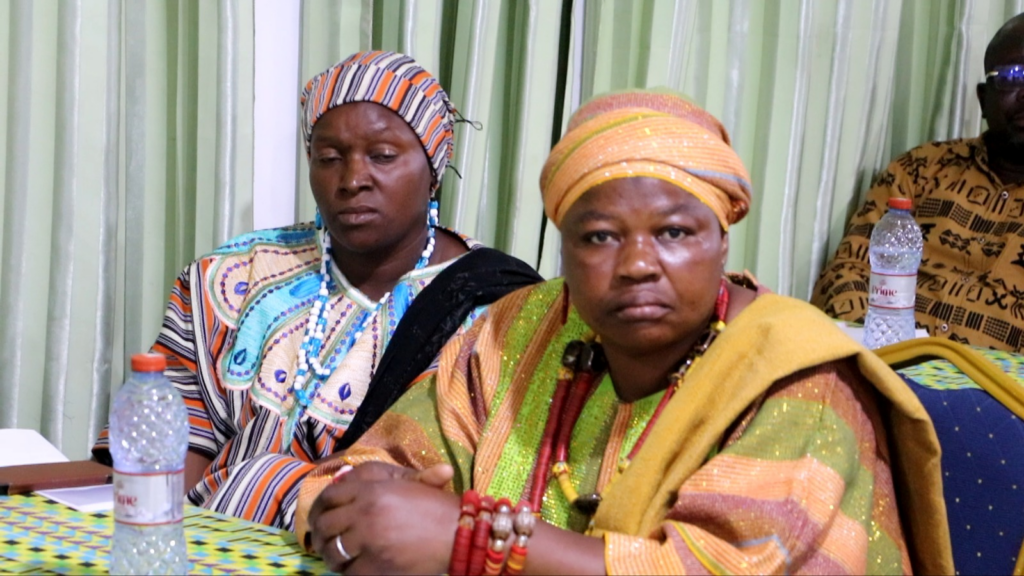
Throwing his weight behind the proposed reforms, the Paramount Chief of the Pulima Traditional Area, Kuoru Osman Deiwig Nankpa III, stressed that universal adult suffrage devoid of political party colours is the only way to tap the best human resources for local development.
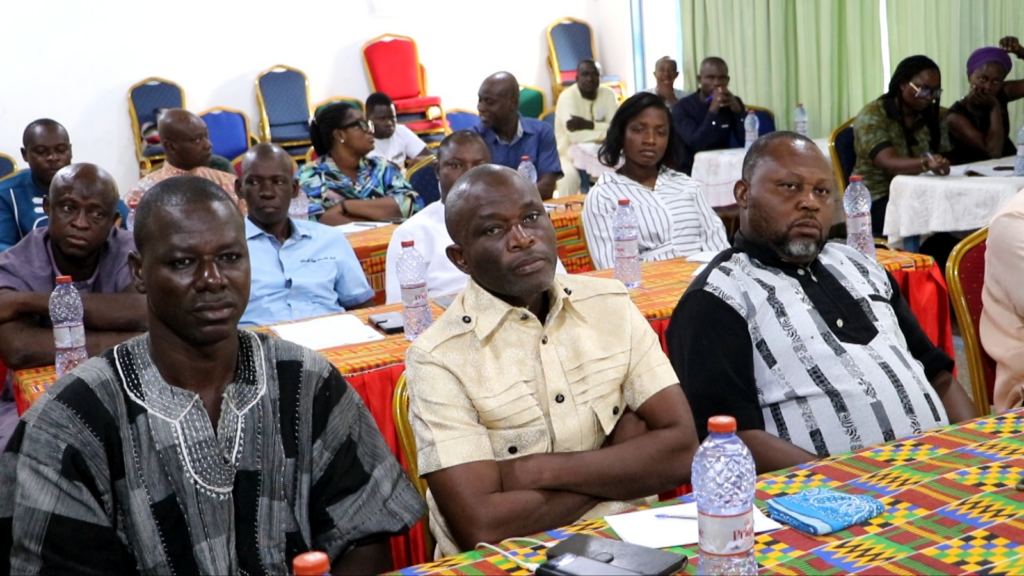
"I have always been for non-partisan elections of MMDCEs," he stated. "This will open the opportunity for the voters to select the finest and the best available in the pool. There are a number of people that are not partisan... if we draw the line and say you must belong here or there to qualify, that makes it very challenging."
Kuoru Nankpa III further advocated for aggressive rural development to curb the rural-urban youth migration. He also called for the formal inclusion of queenmothers in the local assembly structure to ensure broader representation.
Adding his voice to the call for non-partisan polls, the Director for the Centre for Alternative Policies and Empowerment of Civil Society (CAPECS), Abu D. Alhassan, warned against any arrangement that excludes unaligned individuals or specific districts from the democratic process.
"If we want to create an equitable society, the best thing to do is to create a level playing field for everybody. We should just make it a universal arrangement so that every metropolis, municipality, and district has the opportunity to elect their MMDCE," Mr Alhassan argued.
Meanwhile, the Presiding Member for the Wa Municipal Assembly, Nuhu Abdul Wahab, highlighted a major administrative bottleneck plaguing local governance: the two-thirds majority requirement for electing Presiding Members.
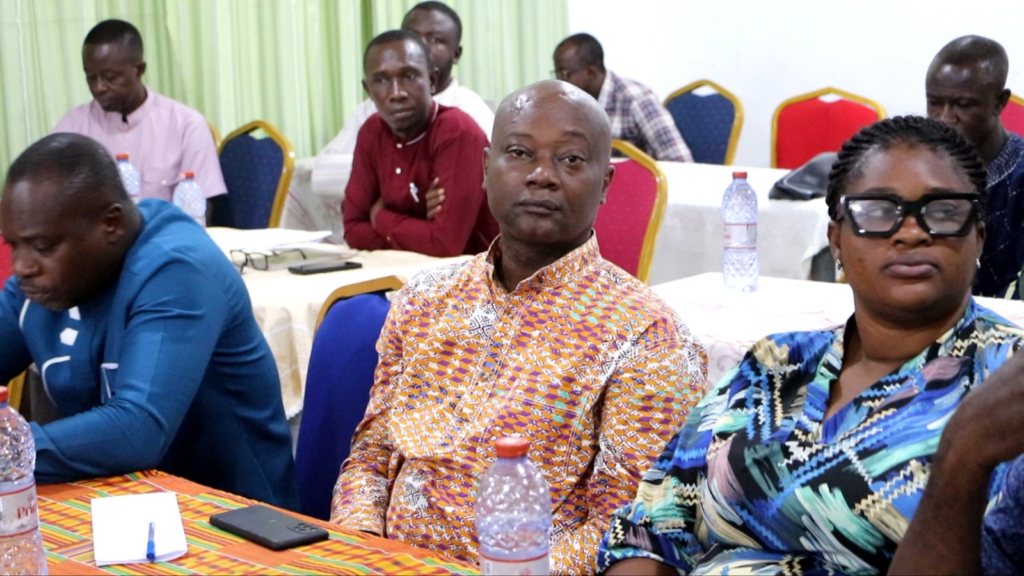
He recommended an immediate constitutional shift to a simple majority system to save assemblies from continuously wasting time and scarce resources on deadlocked elections. "It drags a lot of issues. At times, three people will come out... and no one gets the two-thirds majority. If it is a Presiding Member election... we can get it using the simple majority," Wahab explained.
The dissemination exercise forms part of CDD-Ghana's nationwide drive to build consensus among state and non-state actors to fix the structural deficits of Ghana's decentralisation architecture.
Latest Stories
-
Make loyalty to NPP a permanent culture, not an election-season tactic – Joseph Cudjoe
6 minutes -
NPP delegates want reform without destroying party’s reputation – Joseph Cudjoe
9 minutes -
Salomey Awiti Baffoe granted GH¢100,000 bail over alleged false news publication
13 minutes -
NPP is for all social classes, not just the middle class – Mike Oquaye
18 minutes -
Freezy Mɑcbones wins WBO Africɑ Light Heɑvyweight title in Lɑgos, Nigeria
21 minutes -
John Boadu is ‘an exceptionally gifted political figure’ – Prof Mike Oquaye
37 minutes -
NDC must study NPP congress closely for strategic lessons – Mustapha Gbande
43 minutes -
NDC has built strong structures to face any electoral challenge – Mustapha Gbande
53 minutes -
John Boadu can appeal across Ghana’s social groups – Prof Mike Oquaye
1 hour -
‘Electing Kojo Bamba is backward politics’ – Mustapha Gbande
1 hour -
Government must order payment of promoted teachers’ salaries – GNAT
1 hour -
Meet Sethina Edem Sunu, the healthcare professional eyeing the NDC UK & Ireland deputy organiser role
1 hour -
The myth of ‘sophisticated customer experience’ in the digital age
2 hours -
What happened to lands reserved for sanitary sites? -WasteCare CEO calls for audit
2 hours -
Manasseh Writes: The shift in the NPP
2 hours