

Audio By Carbonatix
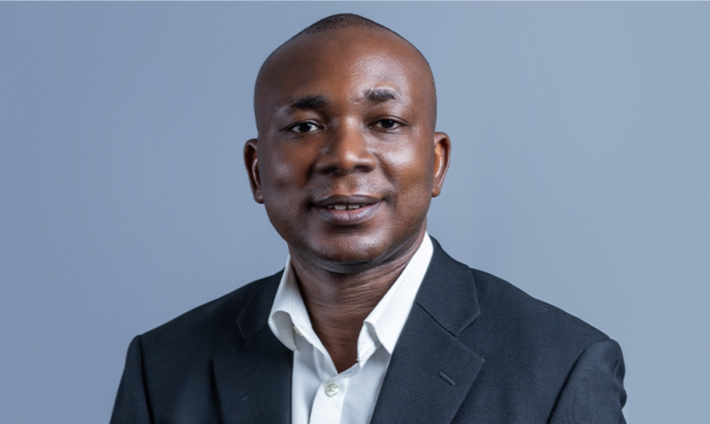
Economist and Professor of Finance at the University of Ghana, Godfred Bokpin, has criticised the government’s approach to illegal mining, arguing that its celebration of gains from gold trading overlooks the severe environmental damage it causes.
Speaking on Joy FM’s Super Morning Show, Prof. Bokpin said Ghanaians voted for a government that would decisively tackle irresponsible mining, commonly known as galamsey, and protect the country’s forests and water bodies.
“This wasn't what we asked for ahead of the 2024 elections. We were asking for a government that would respond to irresponsible mining,” he said, adding that the administration appeared more focused on highlighting the financial gains from gold purchased and exported through the Ghana Gold Board (GoldBod).
"So even if you are counting the gains that we are celebrating today, you also need to take into consideration the huge environmental subsidy in terms of destruction of our water bodies and the rest of them that we are not taking into consideration," he said on Monday, August 24.
"Today, we have magnified the effect of GoldBod to the extent that the discussion about irresponsible mining, the dangers, and the existential threats seems infinitesimal in the face of so-called macro-economy stability," he argued.
His comments came amid controversy over losses associated with the programme. An International Monetary Fund report said the rapid expansion of the Bank of Ghana’s domestic gold purchases resulted in cumulative net policy costs of about US$1.7 billion, representing approximately 1.5 per cent of Ghana’s Gross Domestic Product.
GoldBod and government officials have rejected attempts to classify the entire amount as an operational loss incurred by the Board.
GoldBod maintains that the figure represents policy costs borne by the Bank of Ghana to build reserves and stabilise the cedi, rather than a deficit on GoldBod’s accounts.
The Board said it generated an operational surplus exceeding GH¢900 million while helping to mobilise more than US$10.8 billion in foreign exchange through the formal economy.
It has also cited stronger reserves, reduced gold smuggling and improved currency stability as evidence that the programme is performing well.
Latest Stories
-
Amelley Djosu: PR is not propaganda; Ghana’s music industry needs a professional reset
6 minutes -
Mrs Samira Amegashie
22 minutes -
Black Star International Film Festival announces 2026 official selection, with films from 11 countries
47 minutes -
Freedom worth fighting for: Ukraine marks 35 years of independence
49 minutes -
Minority files fresh motion seeking parliamentary probe into reported $1.7bn GoldBod loss
54 minutes -
Justin Kodua urges delegates to endorse him ahead of October polls
56 minutes -
Government eases Bawku motorbike restrictions from August 25
58 minutes -
Jeffrey Nortey honoured for digital influence at National ICT Week 2026
58 minutes -
Minority challenges Gyamfi to substantiate extortion allegations against Afenyo-Markin
1 hour -
OSP acknowledges three petitions linked to Afenyo-Markin-Gyamfi dispute
1 hour -
Iran faces ‘greatest financial offensive ever’, says US treasury secretary
1 hour -
Amansie West Assembly inaugurates road safety committee to curb crashes
1 hour -
NLA urges local union to halt strike, return to negotiation table over pay dispute
1 hour -
Four arrested over murder of South African boxing champion Zolani Tete
2 hours -
UG students urged to acquire practical skills to drive AfCFTA implementation across Africa
2 hours