


Audio By Carbonatix
Older women who have strong legs are likely to fare better when it comes to ageing of the brain, a decade-long study of more than 300 twins suggests.
The King's College London team says leg power is a useful marker of whether someone is getting enough exercise to help keep their mind in good shape.
Exercise releases chemicals in the body that may boost elderly brains, say the scientists, in the journal Gerontology.
But they say more research is needed to prove their hunch.
It is difficult to untangle leg strength from other lifestyle factors that may have an impact on brain health and the study did not look specifically at dementia, experts say.
Leg power
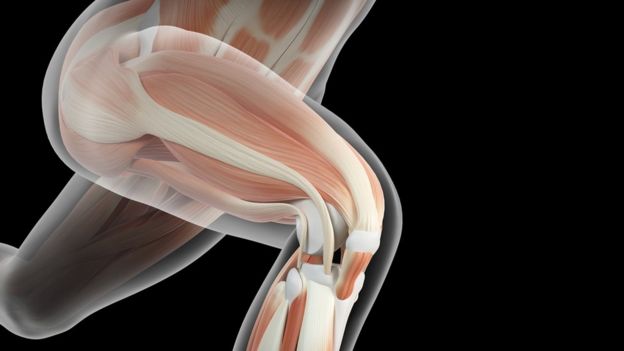
The researchers tracked the health of more than 150 pairs of twin sisters aged between 43 and 73 at the start of the study.
Leg power was measured (at the start of the study) using a modified piece of gym equipment that measured both speed and power of leg extension, while brain power was measured (at both the start and the end of the study) using computerised tasks that tested memory and mental processing skills.
Generally, the twin who had more leg power at the start of the study sustained their cognition better and had fewer brain changes associated with ageing measured after 10 years. And the finding remained when other known lifestyle and health risk factors for dementia were included.
Lead researcher Dr Claire Steves said: "When it came to cognitive ageing, leg strength was the strongest factor that had an impact in our study.
"Other factors such as heart health were also important, but the link with leg strength remained even after we accounted for these.
"We think leg strength is a marker of the kind of physical activity that is good for your brain."
Alzheimer's Society director of research Dr Doug Brown said the findings added to the growing evidence that physical activity could help look after the brain as well as the body.
"However, we still don't fully understand how this relationship works and how we can maximise the benefit," he said.
"And we have yet to see if the improvements in memory tests actually translate into a reduced risk of dementia."
Alzheimer's Research UK director of research Dr Simon Ridley said: "We know that keeping active generally can help reduce dementia risk, and it's important to take into account strength training as well as aerobic exercise."
Latest Stories
-
Government reform efforts yet to translate into improved SOEs financial performance – IMF
9 minutes -
Teacher unions demand apology from Muntaka over WASSCE forgery comments
26 minutes -
NSMQ 2026: From 9 points to ADO9 – PRESEC Legon survive thriller to claim 9th trophy
40 minutes -
Photos: Inside the thrilling NSMQ 2026 Grand Finale as PRESEC, AUGUSCO and Accra Academy battle for glory
1 hour -
Achimota, five other SHSs pilot waste segregation, clean-air initiative
1 hour -
More women attempt suicide, but men die by suicide more often – National Suicide Analysis Report
1 hour -
Three Ghanaian students launch e-commerce platform, Panta, to support small businesses
2 hours -
KMA passes by-law requiring Metropolitan Chief Executives to occupy official residence
2 hours -
Zoomlion rolls out disinfection, disinfestation exercise across Volta Region
2 hours -
Photos: Mahama swears in three new Supreme Court justices
2 hours -
$260 e-Visa fee could make Ghana less competitive – GHATOF
2 hours -
New Supreme Court justices pledge fairness, impartiality and fidelity to Constitution
2 hours -
Mahama urges Supreme Court to communicate decisions with ‘extreme clarity’
2 hours -
Techiman MCE residence abandoned since 2017; Regional Minister sets December deadline
2 hours -
Eni, Vitol sign MoUs with Ghana for two offshore blocks in Tano Basin
2 hours